May 2026 delivery numbers are rolling in from China’s major new-energy vehicle makers, and the picture is sharper than ever: BYD continues to dominate at scale, Tesla China faces mounting price pressure, and range-extended electric vehicles (EREVs) are now the single fastest-growing powertrain category in the country. Here is a data-driven look at who is gaining, who is stalling, and what the May 2026 China EV sales numbers mean for the rest of the year.
Why the May 2026 China EV Sales Data Matters
Monthly delivery reports have become the most closely watched metric in the global EV industry — and for good reason. China accounts for roughly 60% of worldwide electric-vehicle sales, and the competitive dynamics revealed each month shape investment decisions, product planning, and export strategies for automakers worldwide. The May 2026 China EV sales data is particularly telling because it captures the first full month of impact from several major Q2 2026 product launches — including the Xiaomi YU7 GT, the Lynk & Co 10/10+, and the NIO ES9 — and reveals whether China’s decade-long pure-EV policy tailwind is being challenged by the EREV insurgency.
China EV May 2026 Delivery Highlights
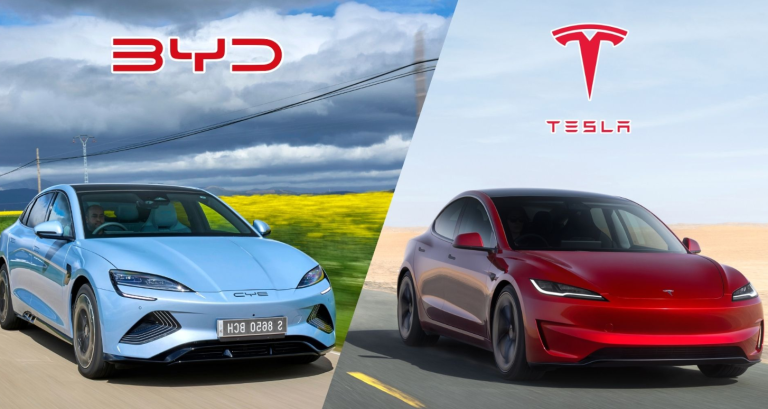
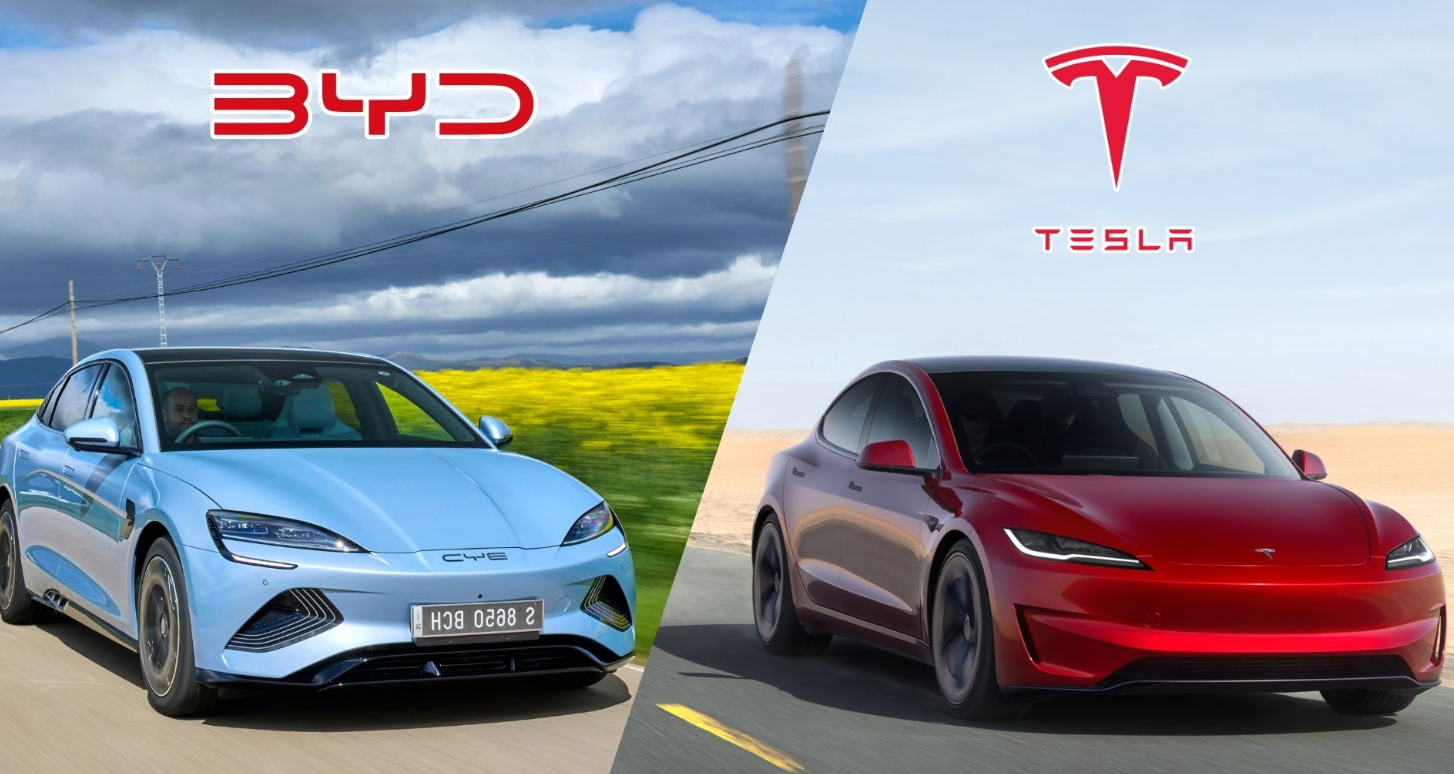
- BYD: ~380,000+ units (NEV), maintaining 30%+ China NEV market share
- Tesla China: ~62,000 units (domestic + export), Model Y facing intensifying price competition from domestic rivals
- Li Auto: ~42,000 units, L-series EREV SUVs remain volume leaders in the RMB 250,000–450,000 SUV bracket
- Xpeng: ~25,000+ units, boosted by MONA M03 sedan momentum and P7+ deliveries
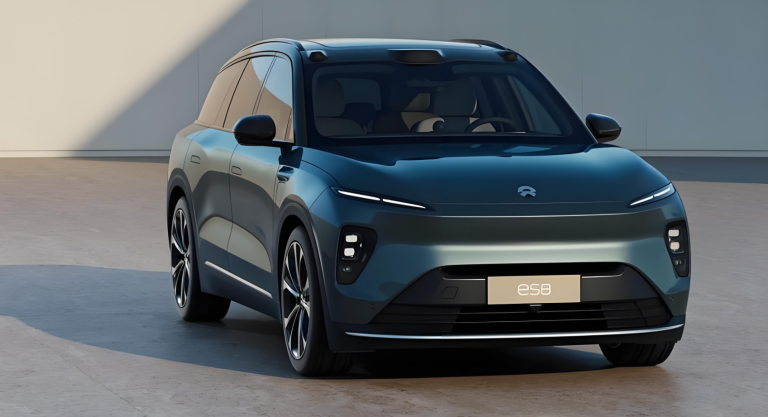
- NIO: ~18,000–20,000 units, with ES9 launch providing a tailwind
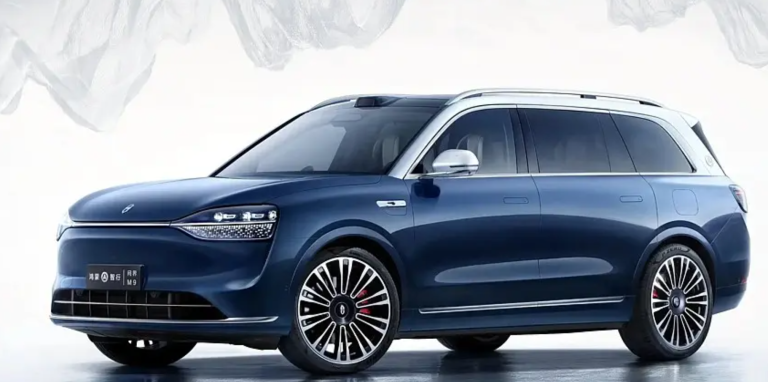
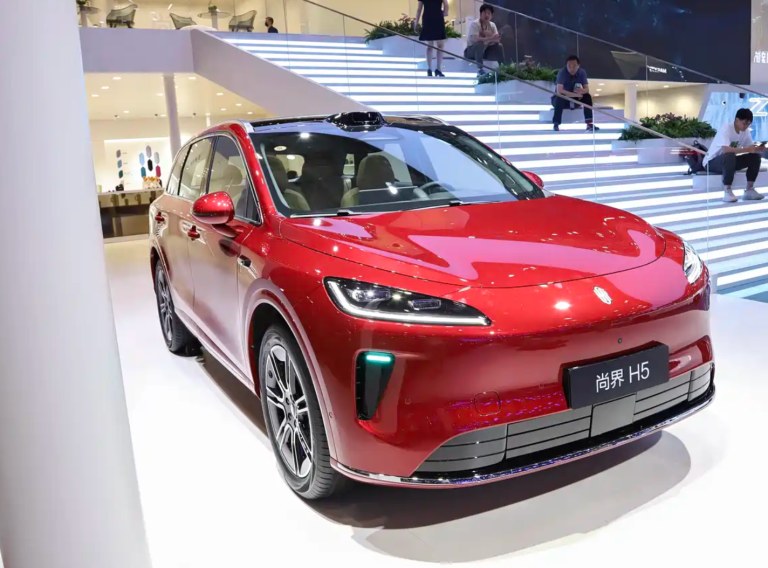
- AITO (Huawei HIMA): ~35,000+ units, M7 and M9 EREV models continue to climb
- Leapmotor: ~30,000+ units, C-series EREV and C10 volume models driving growth
- Zeekr: ~18,000+ units, 001 and 007 contributing
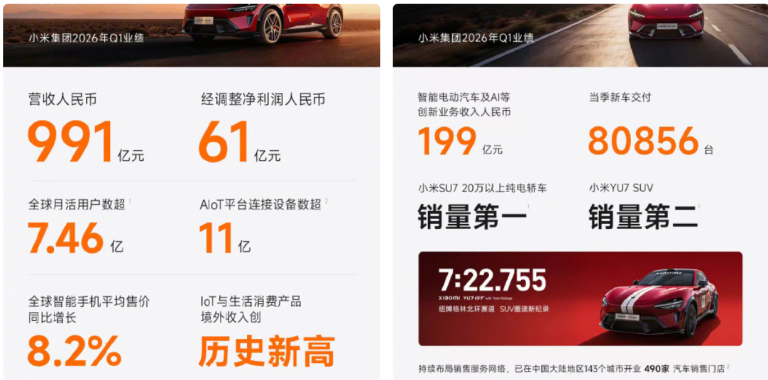
- Xiaomi Auto: ~20,000+ units, YU7 GT launch deliveries now ramping
- Leapmotor: Rapid ascent into the top-10 NEV brands by monthly volume
The EREV Surge: China’s Fastest-Growing Powertrain
The most striking structural shift in China EV May 2026 sales data is the continued rise of range-extended electric vehicles (EREVs). Li Auto, AITO, Leapmotor, and now Xpeng (with the MONA L03 EREV) are all betting heavily on the powertrain that adds a small combustion-engine generator to an otherwise electric drivetrain. In May 2026, EREV models likely accounted for more than 30% of all China NEV sales in the RMB 150,000–400,000 price band — up from roughly 20% one year ago. The reason is simple: Chinese buyers in lower-tier cities, where public charging infrastructure remains sparse, value the flexibility of a fuel-powered backup without sacrificing the smooth daily electric driving experience.
Market Context
China’s total NEV penetration rate (pure EV + PHEV + EREV) has stabilized above 50% of all new passenger-vehicle sales, a milestone first crossed in mid-2025. The growth engine has shifted from policy-driven subsidies to organic consumer demand, particularly in tier-2 and tier-3 cities where EV adoption lagged behind coastal megacities. The May 2026 China EV sales data confirms that the market is no longer just about early adopters and coastal elites — it is becoming a truly mass-market phenomenon, which favors brands with broad product lineups and strong distribution networks over niche pure-EV players.
What the May 2026 Numbers Mean for the Rest of 2026
Several trends are likely to intensify through the second half of 2026. First, price competition will remain fierce — Tesla and BYD are expected to continue selective price adjustments, forcing smaller brands to either match or differentiate on value. Second, the EREV wave will grow as more brands (Xpeng MONA L03, Xiaomi YU5 EREV rumored, Geely Galaxy lineup) introduce range-extended variants. Third, smart-driving capability — led by Huawei ADS, Xpeng XNGP, and the NIO World Model — is becoming a decisive purchase factor for buyers in the RMB 200,000+ segment, separate from range or price. Fourth, export volumes will continue to climb, with BYD, Chery, and SAIC leading the push into Southeast Asia, the Middle East, and Latin America despite growing trade barriers in Europe.
Competitive Landscape
The competitive map of China’s EV market in mid-2026 can be divided into four tiers. Tier 1: BYD alone, with unmatched scale and vertical integration. Tier 2: Tesla, Li Auto, AITO/Huawei, and Leapmotor, each with a clear powertrain or ecosystem niche. Tier 3: Xpeng, NIO, Zeekr, Xiaomi, and Geely Galaxy — all credible but still fighting for sustained monthly volumes above 20,000 units. Tier 4: Boutique and emerging brands like Polestone, Fangchengbao, LUXEED, and MAEXTRO, which compete on brand identity and niche positioning rather than volume. The May 2026 data shows the tier-2 and tier-3 battle is where the most volatility — and opportunity — lies.
Key Takeaways from China EV Sales May 2026
- BYD remains the unassailable volume leader, but growth is decelerating as the base gets larger
- EREV powertrains are gaining share faster than pure EV in the RMB 150,000–400,000 band
- Tesla China faces a narrowing moat as domestic brands close the gap on brand appeal and ADAS
- Smart-driving capability is becoming a top-3 purchase consideration for RMB 200,000+ buyers
- Tier-2 and tier-3 city adoption is the primary growth engine for the remainder of 2026
Frequently Asked Questions About China EV Sales May 2026
How many EVs were sold in China in May 2026?
Preliminary data suggests total China new-energy vehicle (NEV) sales exceeded 1.1 million units in May 2026, maintaining a penetration rate above 50% of all new passenger vehicles sold.
Which company sells the most EVs in China?
BYD remains China’s top-selling NEV maker by a wide margin, with May 2026 deliveries exceeding 380,000 units across its Dynasty, Ocean, Denza, Yangwang, and Fangchengbao brands.
What is an EREV and why is it growing in China?
An EREV (extended-range electric vehicle) uses an electric motor for propulsion and a small combustion engine solely as a generator to recharge the battery. It is growing rapidly in China because it eliminates range anxiety in regions with limited charging infrastructure while preserving the smooth electric driving experience.
Is Tesla losing market share in China?
Tesla’s absolute volumes remain stable, but its share of China’s growing NEV market is gradually declining as domestic brands introduce competitive models at lower price points with advanced smart-driving features.
What is the NEV penetration rate in China in 2026?
China’s NEV penetration rate has stabilized above 50% of all new passenger-vehicle sales as of mid-2026, up from approximately 40% in early 2025.
Editor’s note from Han Liu: The May 2026 China EV sales data tells a story that the global auto industry needs to internalize: the center of gravity in electric vehicles is no longer moving toward China — it has already arrived. The EREV surge, in particular, is a uniquely Chinese phenomenon that Western automakers have been slow to understand. If you want to know where the global EV market is heading, stop watching Europe and start watching Chongqing, Chengdu, and Wuhan.
Reviewed by Han Liu, Editor, iEVChina.
About the Author