# Dreame Technology Confirms Electric Vehicle Production Plans – One Year to Mass Production
Introduction
Dreame Technology, the renowned Chinese home appliance and cleaning robot manufacturer best known for its premium vacuum cleaners and floor mopping robots, has officially confirmed its entry into the automotive industry. CEO Yu Hao revealed during a recent company event that Dreame’s electric vehicle initiative is progressing rapidly, with mass production targeted for approximately 18 months from announcement.
This announcement positions Dreame as the latest consumer electronics company to transition into automotive manufacturing, following the successful paths established by Xiaomi and other technology firms.
Strategic Timeline and Manufacturing Plans
CEO Yu Hao’s confirmation of the 18-month timeline represents an aggressive but achievable goal for vehicle development and production ramp-up. This accelerated schedule leverages Dreame’s existing expertise in precision engineering, battery management systems, and smart home integration.
The company has already taken concrete steps toward establishing automotive manufacturing capabilities. A key partnership with BNP Paribas will facilitate the construction of a manufacturing facility in Germany, strategically located near Tesla’s Gigafactory Berlin. This location choice suggests Dreame may target both Chinese domestic sales and significant European market presence.
Vehicle Preview: Nebula Next Series
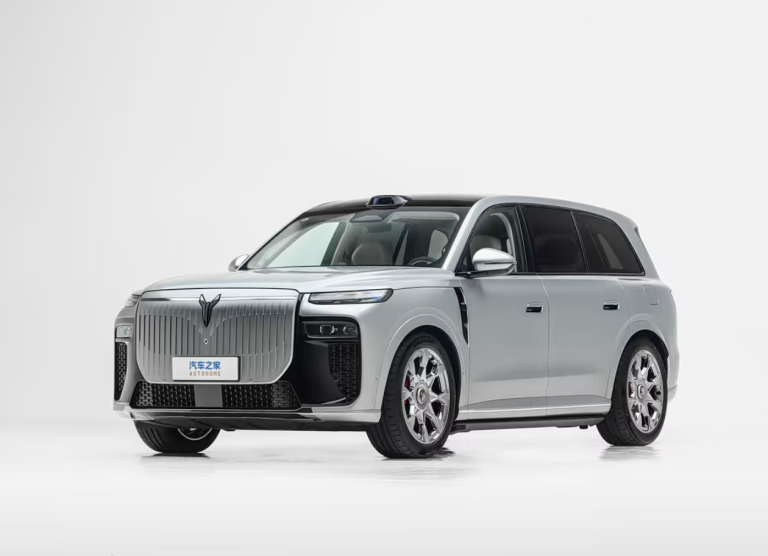
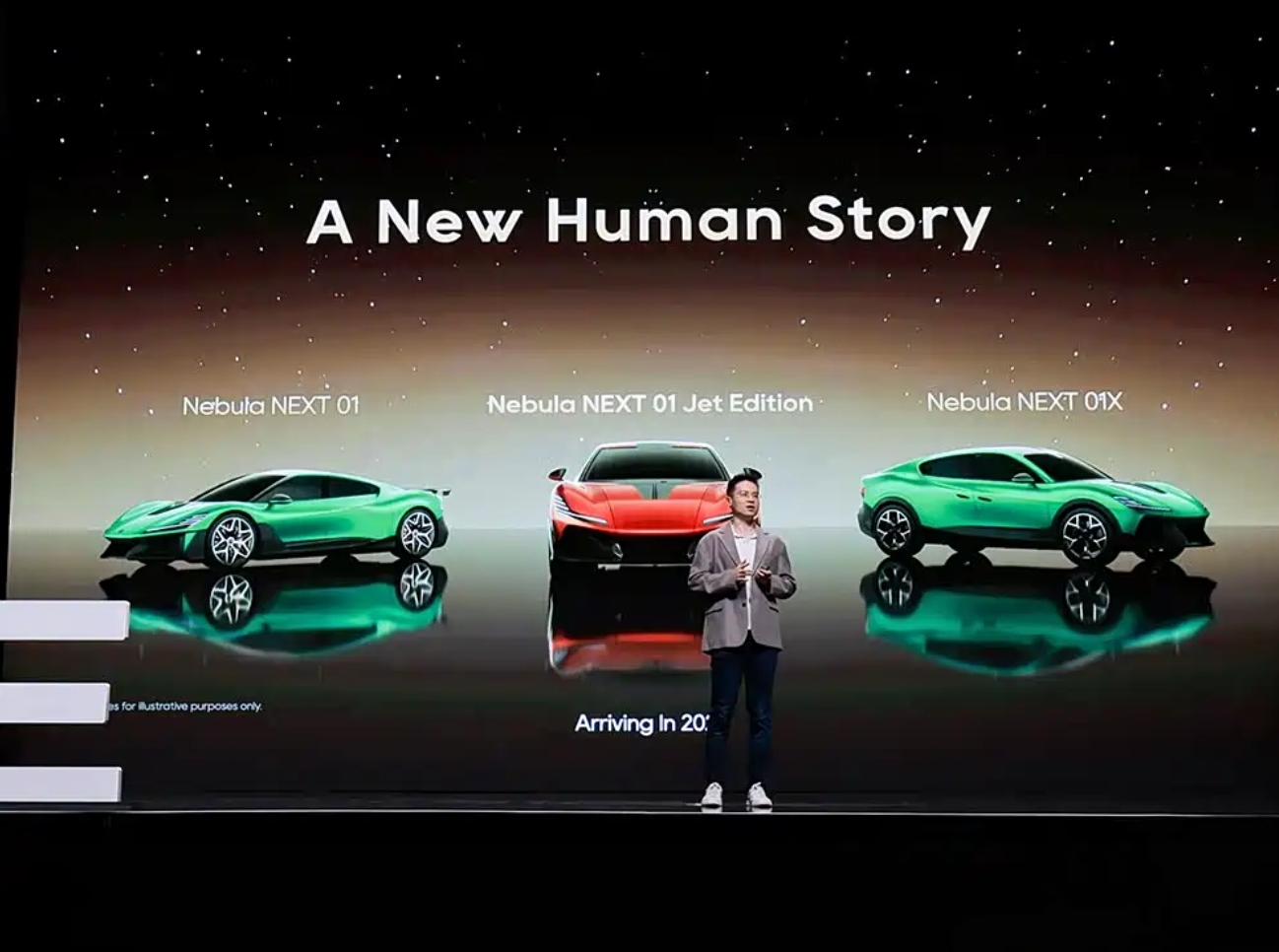
While specific vehicle details remain closely guarded, Dreame has previewed concepts under the “Nebula Next” designation, with the Nebula Next 01X representing one of the more advanced prototypes.
Based on available information and industry speculation, the Nebula Next series likely emphasizes:
– Advanced autonomous driving capabilities built on LiDAR and camera fusion systems – Extended range battery technology leveraging advances from home appliance power management – Smart home integration allowing seamless connectivity between vehicles and Dreame’s existing ecosystem of smart home devices – Premium interior appointments reflecting Dreame’s reputation for design excellence
Dreame’s Technology Foundation
Dreame Technology brings substantial technical resources to the automotive sector:
Battery Management Expertise: Years of developing high-performance battery systems for cordless vacuum cleaners and robotic cleaners have given Dreame deep expertise in lithium-ion battery chemistry, thermal management, and charging optimization.
Precision Manufacturing: The company’s robotic vacuum cleaners require extremely precise motors, gear systems, and navigation components—skills directly applicable to automotive manufacturing.
Global Presence: With operations spanning over 100 countries and more than 6,000 offline retail locations, Dreame already possesses the international sales and service infrastructure needed to support global automotive distribution.
Customer Base: Dreame serves approximately 30 million households worldwide, with over 11 million active loyalty program members. This existing customer base represents a substantial potential market for automotive products.
European Manufacturing Strategy
The decision to establish manufacturing in Germany, specifically near Tesla’s Berlin Gigafactory, reflects several strategic considerations:
1. Access to European Talent: Germany offers deep automotive engineering expertise, with thousands of experienced professionals available for recruitment.
2. Supply Chain Proximity: The European automotive supply chain, centered in Germany and neighboring countries, provides efficient access to components and materials.
3. Brand Positioning: “Made in Germany” carries significant prestige in global automotive markets, potentially helping Dreame’s vehicles gain acceptance among quality-conscious European consumers.
4. Competitive Observation: Locating near Tesla’s facility allows Dreame to observe and learn from one of the world’s most advanced EV manufacturing operations.
5. Market Access: Manufacturing within the European Union avoids import tariffs and regulatory barriers that could affect vehicles shipped from China.
Industry Context: Tech Companies Entering Automotive
Dreame joins an increasingly crowded field of technology companies entering automotive manufacturing:
Xiaomi SU7: Already in production with strong sales, Xiaomi demonstrated that consumer electronics companies can successfully enter automotive.
Huawei: While not manufacturing vehicles directly, Huawei’s smart car solutions appear in multiple brand’s vehicles, including AITO, Arcfox, and Voyah.
Apple (Project Titan): Despite ongoing delays, Apple’s automotive ambitions continue to generate industry speculation.
Sony (Honda Afeela): The Sony-Honda partnership combines consumer electronics expertise with automotive manufacturing experience.
These entrants share common advantages: substantial capital reserves, experience with consumer-focused product development, established brand recognition, and sophisticated supply chain management capabilities.
Challenges and Considerations
Despite Dreame’s impressive credentials, significant challenges await:
Regulatory Approval: Vehicle manufacturing requires extensive certifications and approvals in each target market.
Capital Requirements: Automotive development and production require billions in investment, even for companies with Dreame’s resources.
Competition: The Chinese EV market is extremely competitive, with established players and new entrants fighting for market share.
Service Networks: Automotive requires extensive dealer and service networks, different from Dreame’s current retail-focused distribution.
Conclusion
Dreame Technology’s confirmed entry into electric vehicle manufacturing represents another milestone in the convergence of consumer electronics and automotive industries. With an 18-month timeline to production and strategic manufacturing plans in Europe, Dreame is taking a serious approach to this ambitious expansion.
The company’s extensive experience in battery technology, precision manufacturing, and global distribution provides a foundation upon which to build an automotive business. However, success will require navigating significant technical, regulatory, and competitive challenges that distinguish automotive from consumer appliances.
As Dreame’s automotive plans develop, industry observers will watch closely to see how a company known for keeping floors clean pivots to keeping passengers moving efficiently.
FAQ
When does Dreame plan to begin electric vehicle mass production?
CEO Yu Hao confirmed that Dreame Technology aims to achieve mass production of its electric vehicles in approximately 18 months from announcement.
Where will Dreame manufacture its electric vehicles?
Dreame has partnered with BNP Paribas to establish a manufacturing facility in Germany, strategically located near Tesla’s Gigafactory Berlin.
What vehicles will Dreame produce?
Dreame has previewed concepts under the “Nebula Next” designation, with the Nebula Next 01X representing one of the advanced prototypes. Specific vehicle details remain undisclosed.
What is Dreame’s existing global presence?
Dreame operates in over 100 countries with more than 6,000 offline retail locations, serving approximately 30 million households and 11 million loyalty program members.
Keywords
Primary Keyword: Dreame Technology electric vehicle production plans 2026
Long-tail Keywords: – Dreame car manufacturing China – Nebula Next 01X Dreame EV – Chinese tech companies entering automotive – Dreame Technology automotive expansion – Xiaomi SU7 competitors 2026
Internal Linking Suggestions: – Link to Xiaomi SU7 coverage – Link to Chinese EV market analysis – Link to Huawei automotive technology – Link to technology company automotive entry trends
About the Author