# Stellantis Five-Year Strategic Plan: 52 Billion Pound Investment, 110 New Models, Jeep Returns to China
Introduction
Stellantis, the world’s fourth-largest automaker formed from the merger of PSA Group and Fiat Chrysler Automobiles, has unveiled an ambitious five-year strategic plan for the Chinese market. The initiative represents a massive commitment of 520 billion pounds (approximately 474.7 billion yuan or $65 billion USD), introducing 60 entirely new vehicles and 50 revised or completely redesigned models across its brand portfolio.
This strategic push marks a dramatic reversal for Stellantis, which had been reducing its Chinese presence in recent years amid challenging market conditions and declining sales for most of its brands.
The STLA One Modular Platform
Central to Stellantis’ China strategy is the introduction of the STLA One modular platform, scheduled for debut in 2027. This architecture represents Stellantis’ most advanced vehicle platform, designed from the ground up to accommodate multiple powertrain configurations including:
– Pure battery electric vehicles (BEV) – Plug-in hybrid electric vehicles (PHEV) – Traditional internal combustion engines (ICE) – Hydrogen fuel cell variants (future development)
The STLA One platform’s flexibility allows Stellantis to rapidly deploy new models across segments while managing development costs and adapting to evolving market preferences and regulatory requirements.
Four Global Core Brands for China
Stellantis has identified four brands as the primary focus for its Chinese market strategy:
Jeep: The Grand Return
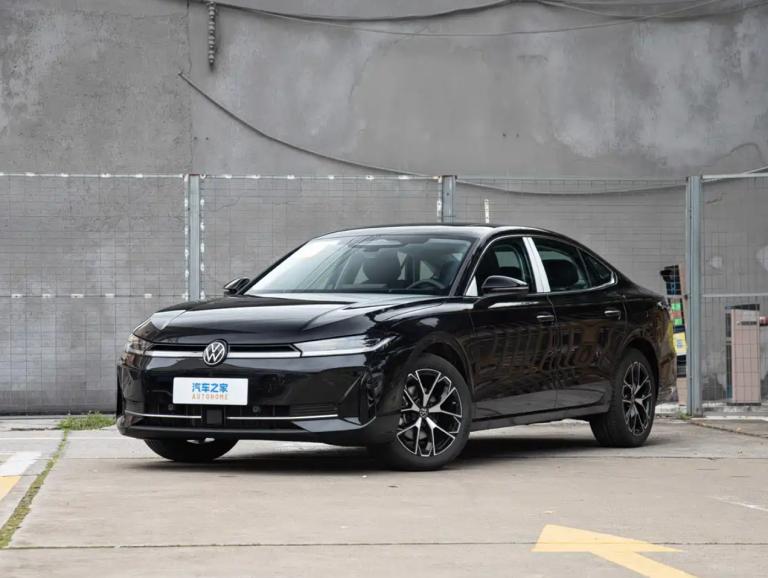
Jeep’s return to Chinese production represents the headline announcement of Stellantis’ strategy. Partnering with Shenxing Automobile , Jeep will initially produce two Peugeot models alongside two Jeep-badged vehicles, all destined for global sales.
This arrangement leverages Shenxing’s existing manufacturing infrastructure while providing Jeep with a Chinese production base for the first time since winding down local production in 2022. The Jeep models will likely include updated versions of the Grand Cherokee and Grand Wagoneer, potentially with electrified powertrains suitable for Chinese regulations.
Ram: Truck and Utility Expansion
Ram will focus on both traditional truck segments and emerging electric utility vehicle categories, complementing Jeep’s market positioning.
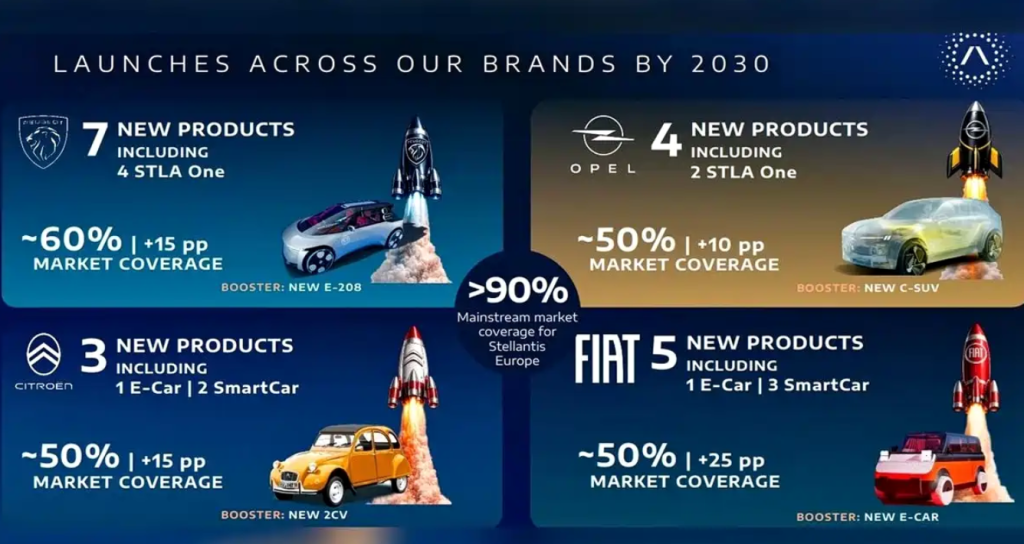
Peugeot: Seven New Models for Europe and China
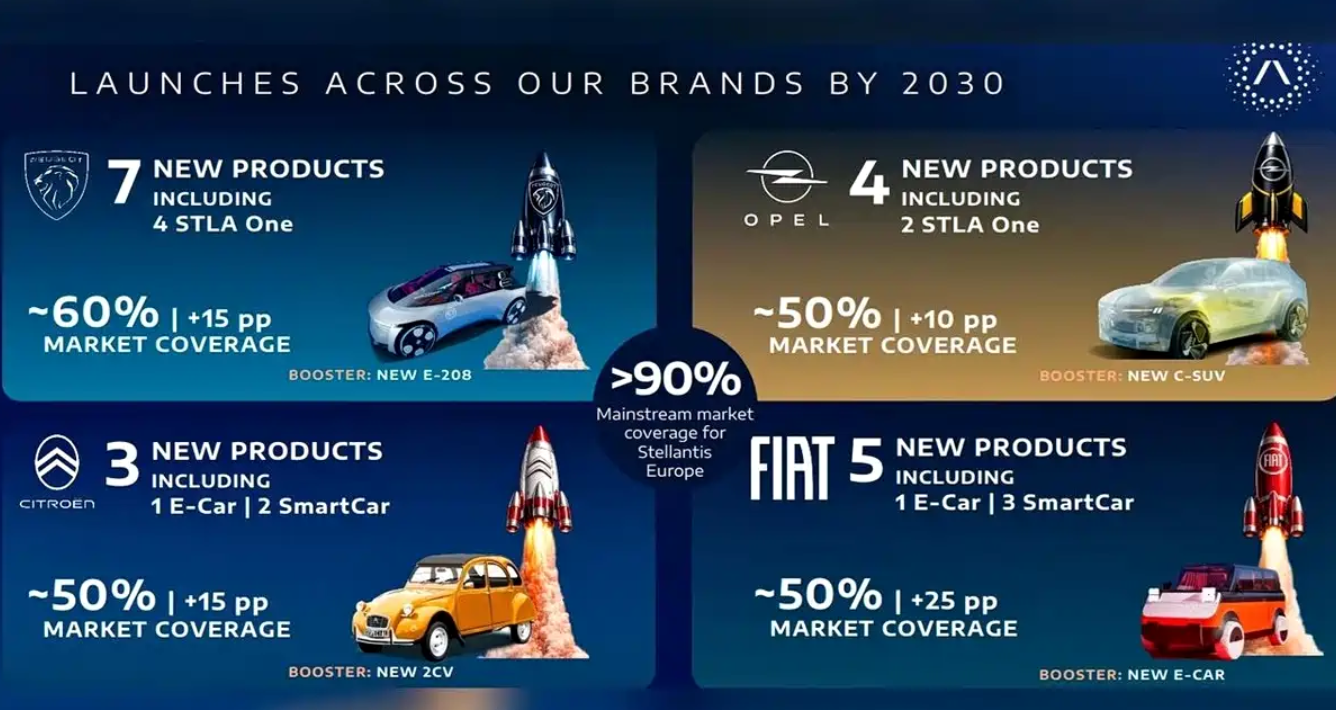
Peugeot receives significant investment with seven new model introductions planned through 2030. The brand will serve as Stellantis’ volume leader in China, competing directly with established European and Chinese domestic brands.
Fiat: Five New Vehicles Including Heritage Revival
Fiat’s five planned introductions include the revival of iconic nameplates, bringing Italian style and heritage to the Chinese market.
Voyah Partnership: Eastern Brands Heading West
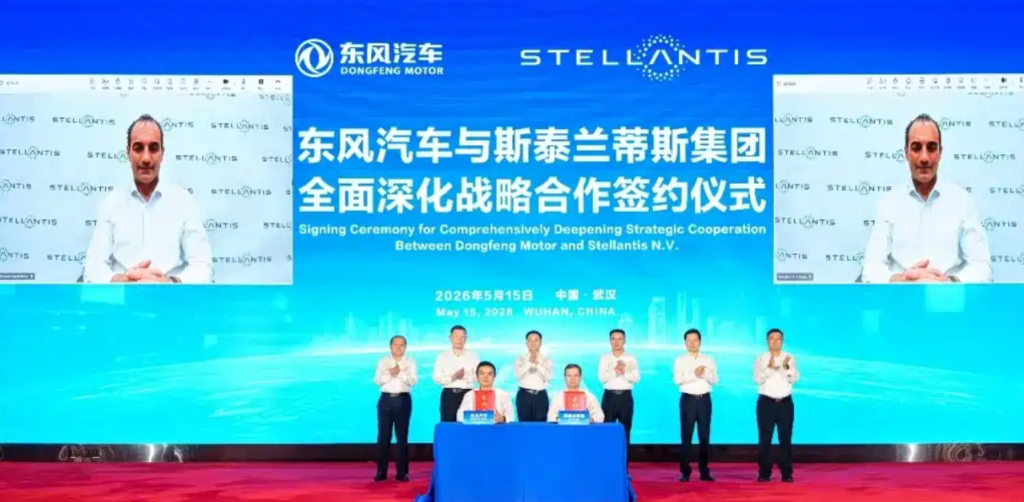
In a surprising strategic move, Stellantis announced plans to partner with Dongfeng Motor’s premium brand Voyah for European sales distribution. This collaboration represents an innovative approach where Stellantis leverages its established European dealer network to sell Chinese-developed premium electric vehicles.
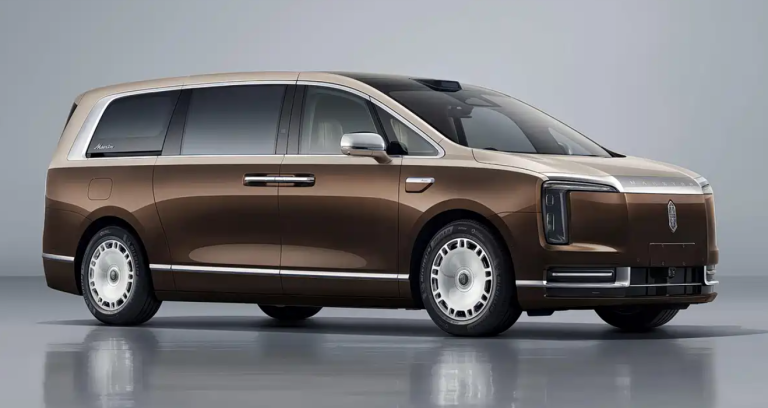
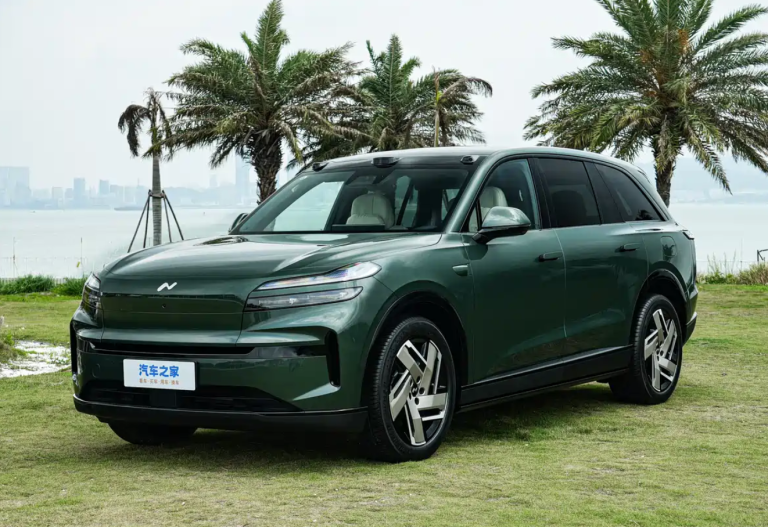
Voyah’s advanced products, including the Voyah Dreamer MPV and Voyah Free SUV, will reach European customers through Stellantis channels, while Stellantis gains access to competitive electric vehicle technology developed in China.
Regional Market Strategies
European Market Focus
Peugeot: Seven new model introductions planned Opel/Vauxhall: Four new vehicles targeting the compact and utility segments Fiat: Five models including the anticipated return of the iconic 2CV Citroën: Three new vehicles, with the 2CV revival serving as the halo product
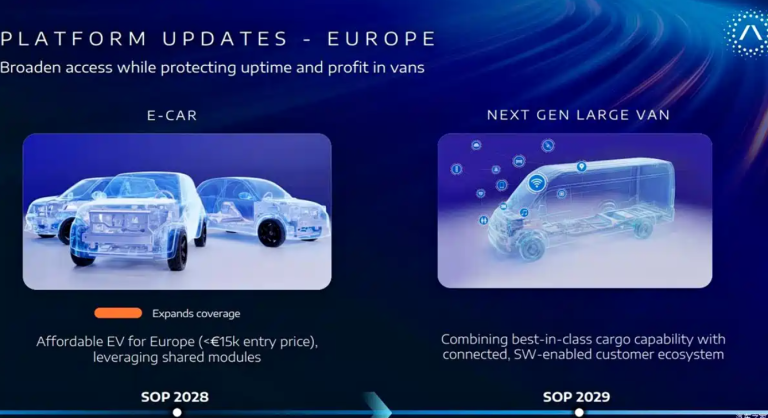
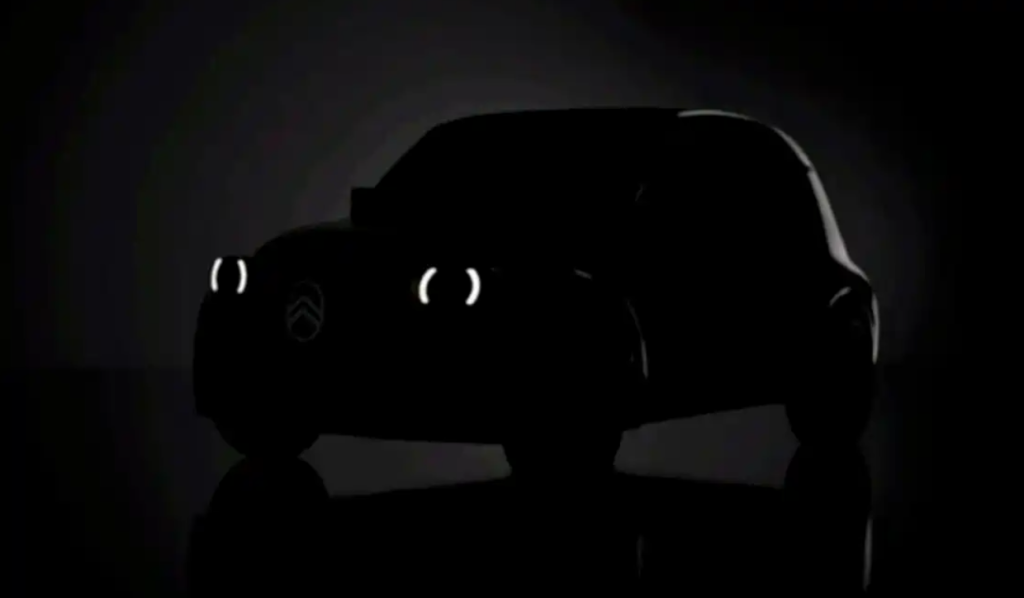
The Citroën 2CV revival particularly captures attention, as this legendary vehicle first launched in 1948 to provide affordable transportation for French farmers. The original sold over 5.1 million units before production ended in 1990. The reborn version would target the affordable electric vehicle segment at approximately 15,000 euros.
North American Strategy
Jeep receives the most aggressive product plan:
– Updated Grand Cherokee with improved technology and potential electrified variants – Grand Wagoneer luxury refresh with SRT performance option – New Recon: Electric off-road vehicle based on the next-generation Wrangler platform – Wrangler Scrambler SRT: High-performance off-road pickup truck
Chrysler focuses on electric vehicles:
– Airflow production version targeting under $40,000 – Arrow concept targeting under $30,000 – Future mid-size SUV development – New sports car based on the Atlantic concept
Dodge continues muscle car heritage:
– Next-generation muscle car development – Durango refresh with hybrid options – New mid-size SUV segment entry
Ram truck expansion:
– Ram Rampage: Compact pickup for global markets – Dakota: Mid-size truck revival – Ramcharger: Range-extended electric option – Next-generation Ram 1500 with advanced technology
Investment Breakdown and Market Expectations
The 520 billion pound investment encompasses:
– Research and development for new platforms and powertrains – Manufacturing facility upgrades and new construction – Dealer network expansion and modernization – Marketing and brand building activities – Battery and charging infrastructure development
Stellantis aims to achieve significant market share improvements in both China and Europe, targeting positions that reflect the company’s global scale and resources.
Challenges and Market Reality
Despite ambitious plans, Stellantis faces substantial challenges:
Historical Performance: Stellantis brands have struggled in China, with joint venture partners experiencing years of declining sales and market share erosion.
Competitive Landscape: Chinese domestic brands have dramatically improved quality and technology while maintaining aggressive pricing, creating intense competition for all foreign brands.
Regulatory Environment: Evolving Chinese regulations favor domestic brands in various ways, from government procurement preferences to electric vehicle subsidies.
Conclusion
Stellantis’ five-year China strategy represents the company’s most comprehensive commitment to the market since its formation. The combination of new platforms, expanded product range, strategic partnerships, and substantial investment signals serious intent to reverse recent declines.
Whether these ambitious plans can overcome years of market share erosion and fierce competition remains to be seen. However, the Voyah partnership demonstrates Stellantis’ willingness to embrace new business models that could provide competitive advantages.
FAQ
How much is Stellantis investing in its China strategy?
Stellantis plans to invest 520 billion pounds (approximately 474.7 billion yuan or $65 billion USD) over five years, introducing 60 new models and 50 revised/ redesigned vehicles.
Will Jeep return to Chinese production?
Yes, Jeep will return to Chinese production through a partnership with Shenxing Automobile , initially producing two Peugeot models and two Jeep vehicles for global sales.
What is the Citroën 2CV revival?
The Citroën 2CV revival is a planned affordable electric vehicle scheduled for 2028, positioned at approximately 15,000 euros (approximately 120,000 yuan). The original 2CV, launched in 1948, sold over 5.1 million units before ending production in 1990.
How will Voyah vehicles reach European customers?
Stellantis announced a partnership to sell Voyah vehicles through its European dealer network, leveraging established distribution channels to bring Chinese premium EVs to European consumers.
Keywords
Primary Keyword: Stellantis China five-year strategy 110 new models 2026
Long-tail Keywords: – Stellantis 520 billion investment China electric vehicles – Jeep return to China production 2026 – Citroën 2CV revival electric vehicle – Voyah Europe sales Stellantis partnership – Chinese automotive market foreign brands 2026
Internal Linking Suggestions: – Link to Stellantis company profile – Link to Jeep brand coverage – Link to Voyah Dreamer review – Link to Chinese EV market analysis – Link to automotive globalization trends
Source: autohome.com.cn
About the Author