# Citroën 2CV Revival Confirmed: Stellantis Previews Affordable Electric Model at 15,000 Euros for 2028
Introduction
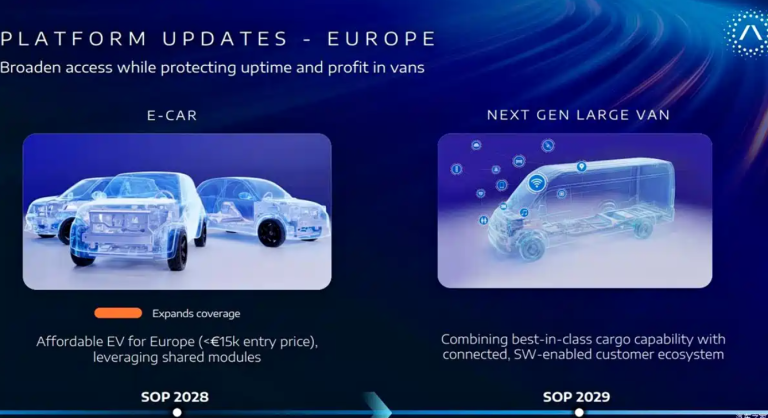
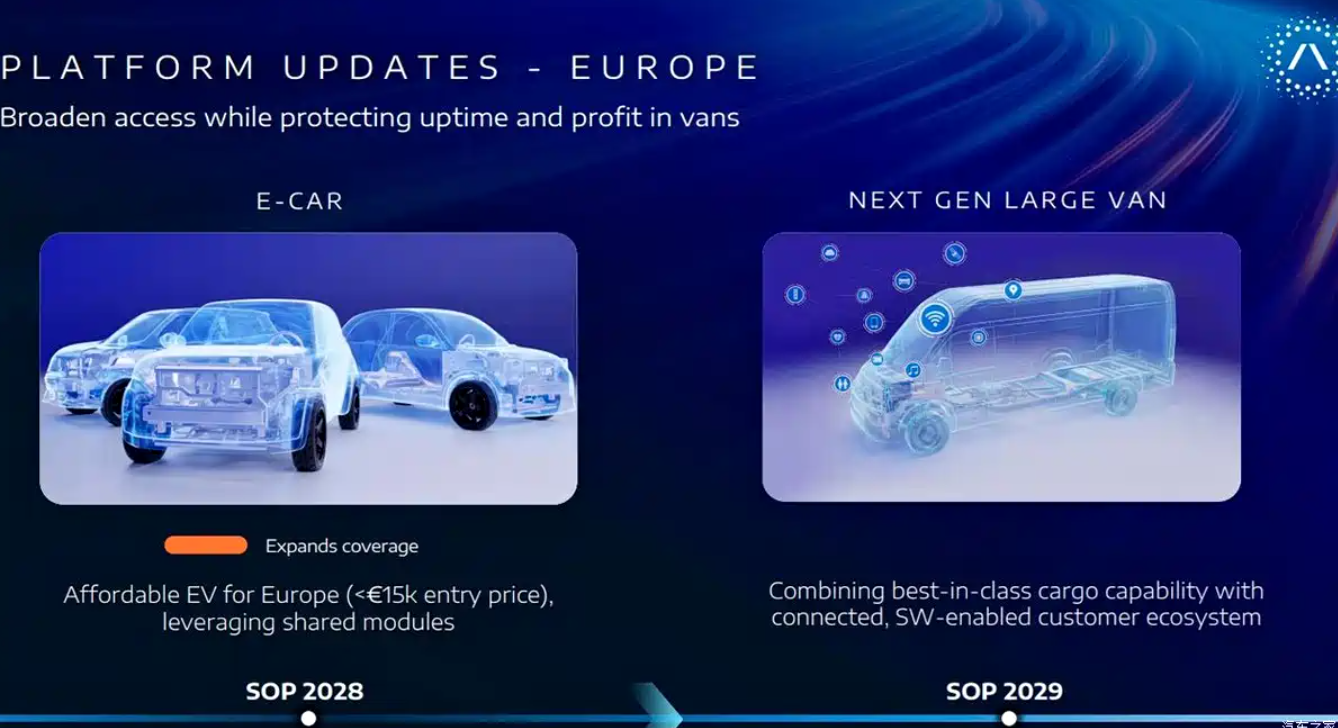
Stellantis has confirmed plans to revive the legendary Citroën 2CV as a modern electric vehicle, previewing design concepts as part of the company’s ambitious product roadmap through 2030. The reborn 2CV will launch in 2028 at a target price of approximately 15,000 euros (roughly 120,000 yuan or $16,500 USD), making it one of the most affordable electric vehicles planned for the European market.
This announcement marks a significant moment in automotive history, bringing back one of the most iconic and influential vehicles ever produced while demonstrating Stellantis’ commitment to accessible electric mobility.
The Legendary Original: 2CV History
The original Citroën 2CV (Deux Chevaux) debuted at the 1948 Paris Motor Show, immediately becoming an icon of post-war European mobility. Designed specifically to provide affordable transportation for French farmers and working-class families, the 2CV embodied practical simplicity in its most elegant form.
Technical Specifications (Original):
– Horizontal-opposed two-cylinder (“flat twin”) air-cooled engine – 9 horsepower initially, increasing over production years – Top speed approximately 65 km/h (40 mph) – Lightweight construction (approximately 600 kg) – Excellent fuel economy for the era
Design Philosophy: The 2CV’s minimal approach to automotive design was revolutionary. Founder André Citroën tasked engineers with creating a vehicle that could carry four passengers and 50kg of cargo across a plowed field while getting 3 liters per 100km (78 mpg). The answer was an incredibly simple, lightweight vehicle with excellent visibility, comfortable suspension, and utilitarian functionality.
Production Legacy:
– Production ran from 1948 to 1990 (42 years) – Total production exceeded 5.1 million units – Sold across Europe, Africa, and other markets – Became a cultural symbol of affordable mobility – Inspired numerous variations including the Méhari, Dyane, and Ami
The 2CV’s influence extends beyond its commercial success; it established principles of accessible automotive design that continue to influence vehicle development today.
The Revival: Modern Interpretation
The new 2CV represents a careful balance between honoring heritage and meeting contemporary expectations for electric vehicles.
Design Elements Previewed: Teaser images reveal design cues that pay homage to the original while embracing modern electric vehicle aesthetics:
Illuminated Brand Logo: The new Citroën logo appears in illuminated form, suggesting the brand’s electric future while maintaining visual continuity with recent Citroën identity updates.
Semi-Circular LED Light Bar: A distinctive semi-circular LED running light spans the front fascia, evoking the friendly, approachable character of the original 2CV’s rounded styling.
Rounded Roofline: The concept features a smooth, rounded roof profile that references the original’s distinctive silhouette while accommodating modern requirements for headroom and interior space.
Minimalist Approach: The overall design emphasizes simplicity and functionality, staying true to the original’s philosophy while leveraging contemporary manufacturing techniques.
Target Market and Positioning
The 2CV revival targets the rapidly growing affordable electric vehicle segment, competing with:
European Competition:
– Dacia Spring (Renault Group): Currently Europe’s most affordable EV – Fiat Panda Electric (planned): Italian entry into affordable EV segment – Citroën ë-C3: Sister brand’s affordable electric option
Chinese Import Competition: Import models from Chinese manufacturers may eventually reach European markets at competitive prices, requiring the 2CV to deliver genuine value.
The 15,000-euro price point represents a significant challenge for profitability, requiring careful cost engineering and potential reliance on battery leasing or other financial innovations.
Stellantis Technology Foundation: STLA One Platform
The new 2CV will likely utilize Stellantis’ STLA One modular platform, announced as part of the company’s five-year strategic plan. This architecture, debuting in 2027, is specifically designed to support multiple powertrain configurations including affordable electric vehicles.
Key platform characteristics relevant to the 2CV:
– Cost Optimization: Designed for manufacturing efficiency – Battery Flexibility: Accommodates various battery sizes for different range requirements – Global Production Capability: Can be manufactured across Stellantis facilities worldwide – Technology Sharing: Benefits from development costs spread across multiple models
Citroën Brand Strategy: Three New Models by 2030
The 2CV revival represents one of three new Citroën models planned for introduction by 2030. This product offensive aims to reposition Citroën as a modern, relevant brand offering accessible mobility solutions.
Other planned Citroën models include:
– Next-Generation C3: Completely redesigned supermini with electric option – New Compact SUV: Entry-level crossover targeting young buyers – 2CV Revival: Heritage-inspired affordable electric vehicle
Together, these models form a comprehensive strategy to address changing market dynamics and increasingly stringent emissions regulations across Europe.
Affordable Electric Vehicle Economics
The 15,000-euro price point for the new 2CV presents significant engineering and business challenges:
Battery Costs: Lithium-ion batteries remain the most expensive component of electric vehicles. Achieving profitability at this price requires either:
– Smaller battery packs limiting range to essential usage – Aggressive cost reduction through scale and manufacturing innovation – Alternative business models such as battery leasing
Component Sharing: Leveraging the STLA platform and existing components from other Stellantis models helps spread development costs and manufacturing investments.
Government Incentives: In many European countries, government purchase incentives for electric vehicles can effectively reduce the customer-paid price, making the 2CV more accessible despite the base price.
Cultural Significance
Beyond commercial considerations, the 2CV revival carries substantial cultural weight:
Brand Heritage: Citroën’s history of innovative, accessible vehicles positions the brand uniquely for the affordable electric future.
Emotional Connection: The 2CV name generates strong emotional responses from generations of owners and enthusiasts, providing marketing advantages that no new nameplate could match.
Symbolic Value: The 2CV represents democratized mobility—transportation accessible to all, not just the affluent.
Timeline and Production Details
Stellantis has confirmed the following timeline:
– 2028: Production launch – European Manufacturing: Likely production at Stellantis facilities in Europe – Initial Markets: European launch with potential expansion to other markets
Production volume expectations remain undisclosed, but affordable vehicles typically require substantial volumes to achieve profitability.
Conclusion
The revival of the Citroën 2CV represents more than a new product launch—it signals Stellantis’ vision for accessible electric mobility rooted in the brand’s heritage of practical innovation. By targeting the 15,000-euro price point, Citroën aims to make electric vehicle ownership realistic for millions of European consumers who currently find EVs beyond their means.
The combination of iconic heritage, modern electric technology, and aggressive pricing makes the new 2CV one of the most anticipated vehicles of the coming decade. Whether it can replicate the original’s revolutionary impact remains to be seen, but its mission—democratizing electric mobility—could prove equally important for the next generation of European drivers.
FAQ
When will the new Citroën 2CV launch?
The revived Citroën 2CV is scheduled for production launch in 2028, as part of Stellantis’ long-term product plan.
What will the new Citroën 2CV cost?
The new 2CV targets a price of approximately 15,000 euros (roughly 120,000 yuan or $16,500 USD), positioning it as one of the most affordable electric vehicles planned for the European market.
What is the history of the original Citroën 2CV?
The original 2CV debuted in 1948 and remained in production until 1990. It sold over 5.1 million units, providing affordable transportation for European families and becoming an icon of practical automotive design.
What platform will the new Citroën 2CV use?
The new 2CV will likely utilize Stellantis’ STLA One modular platform, designed to support multiple powertrain configurations including affordable electric vehicles.
Keywords
Primary Keyword: Citroën 2CV revival electric vehicle 2028 Stellantis affordable EV
Long-tail Keywords: – Citroën 2CV 2028 electric 15000 euros – Affordable electric car Europe 2028 – Stellantis electric vehicle strategy 2030 – Citroën heritage electric revival – Cheap electric vehicle European market
Internal Linking Suggestions: – Link to Stellantis five-year strategy – Link to original 2CV history – Link to Dacia Spring comparison – Link to European affordable EV market – Link to Citroën brand coverage

About the Author