# Volkswagen Passat eHybrid and Tiguan L eHybrid Launch May 29: New PHEV Platform with 1,468km Range
Introduction
Volkswagen prepares to launch its all-new plug-in hybrid sedans on May 29, 2026, introducing the Passat eHybrid and Tiguan L eHybrid as the first models built on Volkswagen’s revolutionary next-generation PHEV platform. These vehicles represent a significant leap forward in the German brand’s electrified offerings for the Chinese market.
The new platform addresses previous limitations of Volkswagen’s plug-in hybrid technology, delivering substantially improved electric-only range, faster charging capability, and enhanced overall efficiency compared to the outgoing generation.
Next-Generation PHEV Platform Technology
Volkswagen’s all-new PHEV platform introduces several breakthrough technologies developed specifically for the Chinese market’s requirements and driving patterns.
Powertrain Components:
– EA211 1.5L Turbocharged Engine: The latest evolution of Volkswagen’s proven small-displacement turbo engine, featuring improved efficiency and reduced emissions – Single Electric Motor: Producing 145kW of power, providing substantial electric propulsion capability – TQ251 Transmission: A new hybrid-specific dual-clutch automatic gearbox optimizing power delivery and efficiency – 22kWh Battery Pack: A significant upgrade from previous generation PHEVs, enabling extended electric-only operation
This powertrain combination delivers engine power of 95kW supplemented by the electric motor’s 145kW output, providing responsive acceleration while maintaining impressive efficiency.
Volkswagen Passat eHybrid
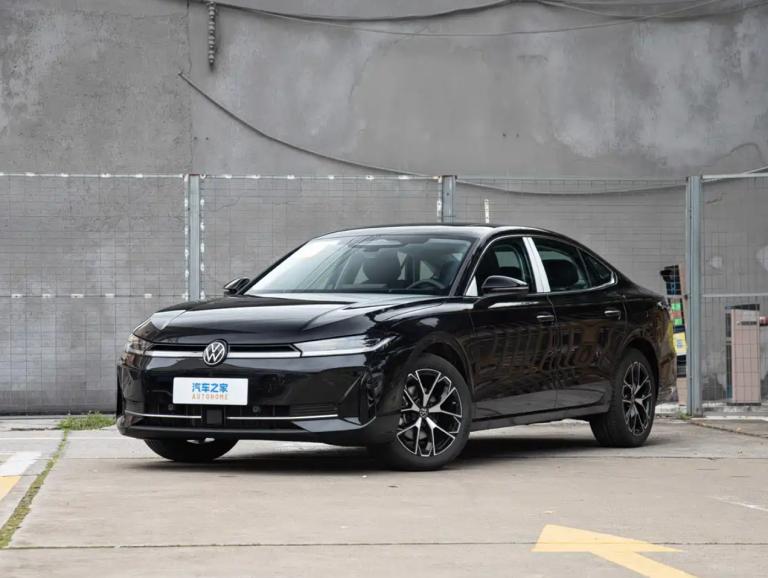
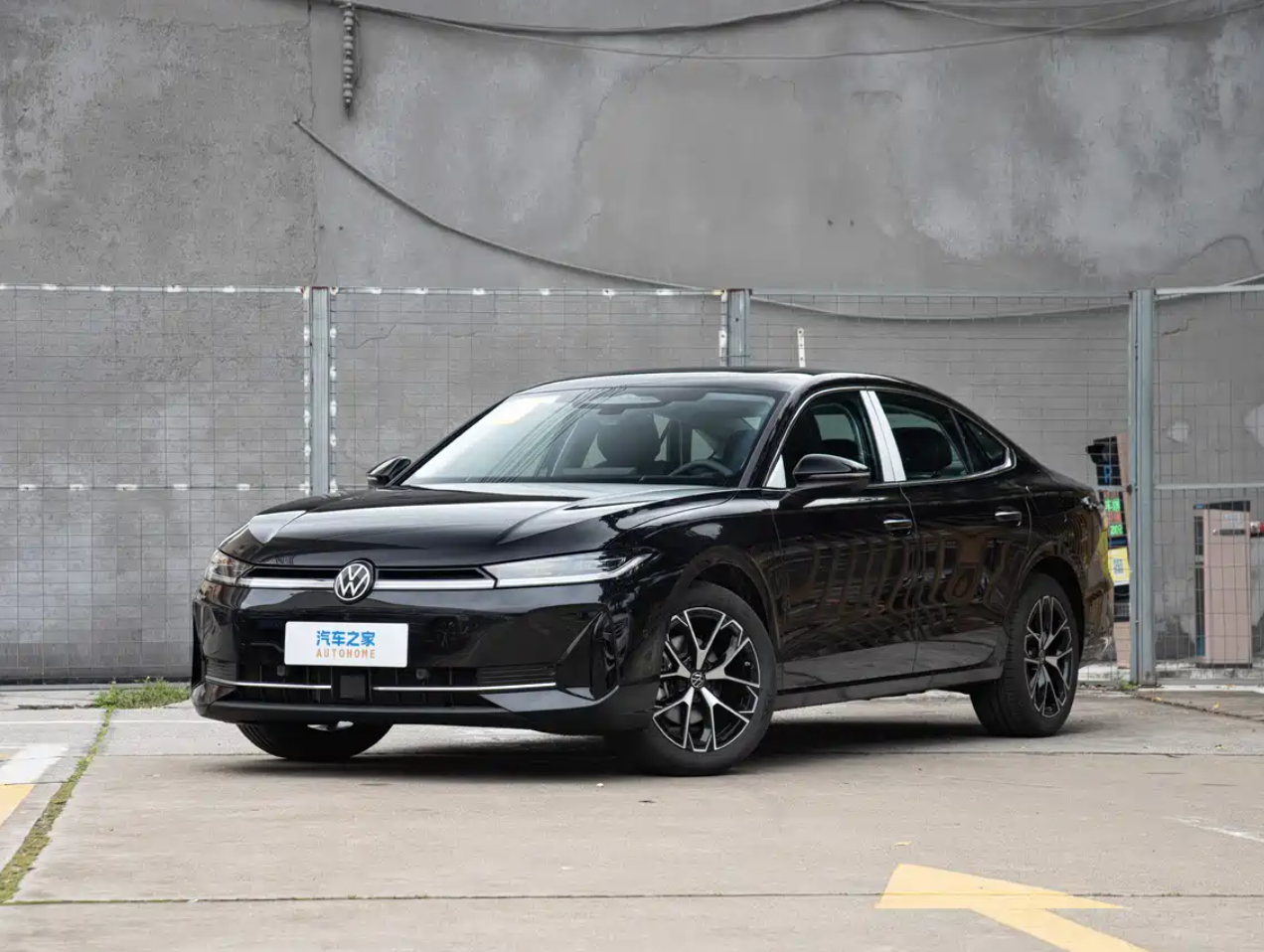
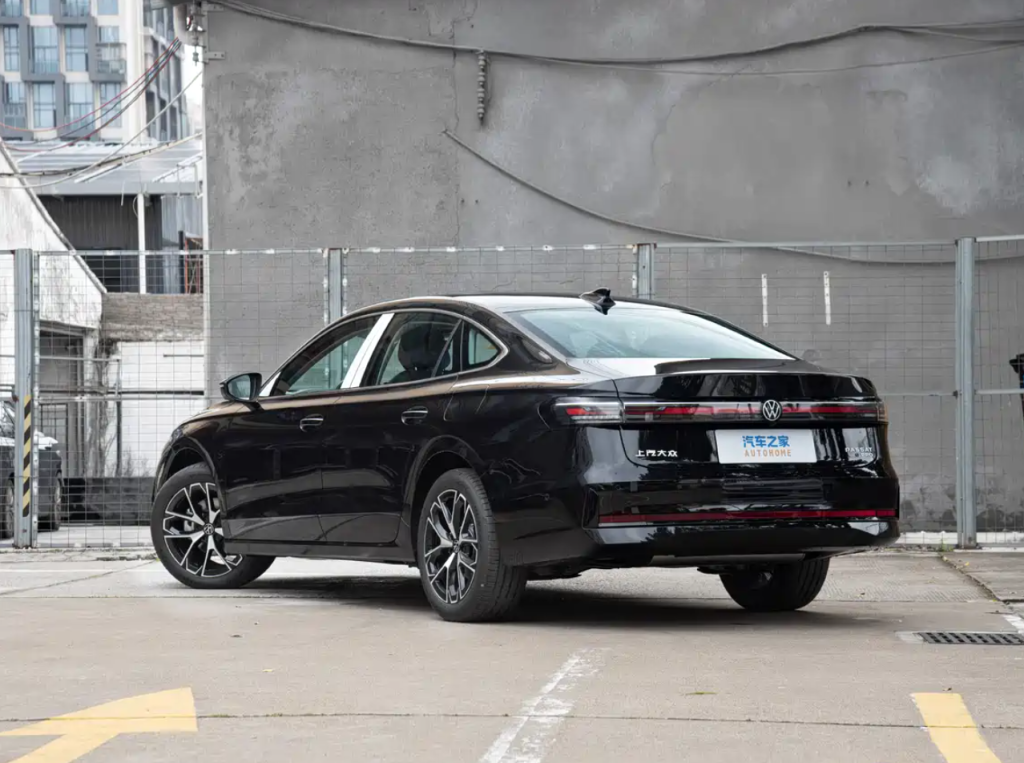
The new Passat eHybrid showcases Volkswagen’s updated design language with enhanced technological features and premium appointments.
Exterior Design Updates: The front fascia receives a completely new design featuring LED headlights with enhanced illumination capability, a distinctive light bar connecting both sides, and an illuminated Volkswagen logo that enhances nighttime recognition. The vehicle measures 5,017mm in length, 1,850mm in width, and 1,489mm in height, with a 2,871mm wheelbase providing generous interior space.
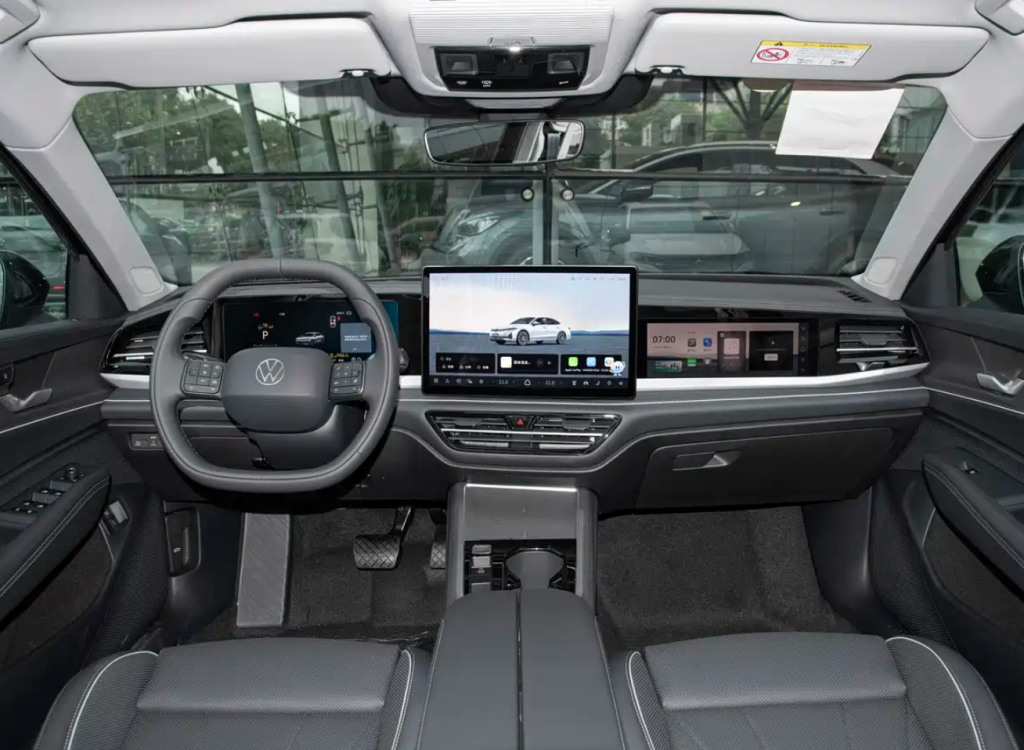
Interior and Technology: Inside, the Passat eHybrid features a 12.9-inch central touchscreen paired with a 10.3-inch digital instrument cluster. A dedicated passenger display enhances the premium feel while providing entertainment options for front passengers.
Range and Efficiency: The extended-range capability of the new PHEV system delivers an impressive combined range of 1,468km according to CLTC testing standards, eliminating range anxiety for long-distance travelers while maintaining the benefits of electric-only commuting.
Volkswagen Tiguan L eHybrid
The Tiguan L eHybrid provides the same advanced PHEV technology in a compact SUV format, targeting buyers seeking SUV versatility with plug-in hybrid efficiency.
Exterior Design Updates: Sharing design elements with the Passat eHybrid, the Tiguan L features similar LED headlight technology, connected light bar, and illuminated logo treatment. The vehicle measures 4,744mm in length, 1,842mm in width, and 1,684mm in height, with a 2,791mm wheelbase supporting a five-seat configuration.
Interior Features: The Tiguan L eHybrid offers a spacious five-seat interior with a “queen’s seat” (女王副驾) option featuring enhanced adjustability and comfort for front passengers. The 12.9-inch central touchscreen provides access to Volkswagen’s latest infotainment system.
Range and Efficiency: The Tiguan L eHybrid achieves a CLTC combined range of 1,423km, slightly less than the Passat due to the SUV’s additional weight and aerodynamic profile.
Key Specifications Comparison
| Specification | Passat eHybrid | Tiguan L eHybrid |
|---|---|---|
| Length | 5,017mm | 4,744mm |
| Width | 1,850mm | 1,842mm |
| Height | 1,489mm | 1,684mm |
| Wheelbase | 2,871mm | 2,791mm |
| Engine Power | 95kW | 95kW |
| Motor Power | 145kW | 145kW |
| Battery | 22kWh | 22kWh |
| Combined Range | 1,468km | 1,423km |
| Seating | 5 passengers | 5 passengers |
Market Positioning
Both vehicles enter the growing plug-in hybrid segment in China, competing against established domestic and international rivals:
Domestic Competition:
– BYD Seal DM (destroyer in the PHEV sedan segment) – Geely Xingyue L Hi-P (affordable PHEV SUV option) – Changan UNI-K iDD (stylish technology-focused choice)
International Competition:
– BMW 5 Series PHEV (premium positioning) – Mercedes-Benz C-Class PHEV (luxury credentials) – Toyota bZ3 (hybrid specialist brand)
Volkswagen’s advantage lies in its established brand recognition, extensive dealer network, and the proven reliability of its platform technology.
Platform Advantages Over Previous Generation
The new PHEV platform addresses previous weaknesses:
Increased Electric Range: The 22kWh battery provides significantly more electric-only range than previous Volkswagen PHEVs, allowing many owners to complete daily commutes without engaging the gasoline engine.
Faster Charging: Support for faster DC charging reduces downtime when battery depletion occurs.
Improved Efficiency: The EA211 1.5L engine paired with the TQ251 transmission delivers better fuel economy when operating in hybrid mode.
Enhanced Software Integration: Advanced energy management systems optimize the interaction between gasoline and electric propulsion based on driving conditions, route characteristics, and driver preferences.
Total Cost of Ownership Considerations
For Chinese consumers considering the switch to plug-in hybrids, several factors affect total cost of ownership:
– Government Subsidies: PHEVs continue to qualify for Chinese government purchase incentives, though reduced compared to pure BEVs – License Plate Benefits: In cities like Shanghai and Guangzhou, PHEVs may qualify for favorable license plate treatment – Fuel Savings: Extended electric-only operation reduces fuel expenditure – Depreciation: Volkswagen’s strong brand presence supports residual values
Conclusion
Volkswagen’s new Passat eHybrid and Tiguan L eHybrid represent the brand’s most serious commitment to plug-in hybrid technology in China. By developing an all-new platform specifically optimized for Chinese market requirements, Volkswagen addresses previous limitations while leveraging its engineering expertise and brand strength.
The combination of 1,400km+ combined range, substantial electric-only capability, and Volkswagen’s established dealer network makes these vehicles compelling options for consumers seeking to transition toward electrified transportation without committing fully to pure electric vehicles.
FAQ
When do the Volkswagen Passat eHybrid and Tiguan L eHybrid launch?
Both the Passat eHybrid and Tiguan L eHybrid officially launch on May 29, 2026, as the first models on Volkswagen’s next-generation PHEV platform.
What is the combined range of the Passat eHybrid?
The Volkswagen Passat eHybrid achieves a CLTC combined range of 1,468km when operating in hybrid mode with both the 1.5L turbo engine and electric motor.
What battery capacity do the new Volkswagen PHEVs use?
Volkswagen’s new PHEV platform utilizes a 22kWh lithium-ion battery pack, providing substantial electric-only range for daily commuting.
How much power does the Tiguan L eHybrid produce?
The Tiguan L eHybrid combines a 95kW gasoline engine with a 145kW electric motor, providing responsive performance while maintaining efficiency.
Keywords
Primary Keyword: Volkswagen Passat eHybrid Tiguan L eHybrid PHEV 2026 China
Long-tail Keywords: – Volkswagen plug-in hybrid China 2026 – New PHEV platform VW 22kWh battery – Passat eHybrid 1468km range China – Tiguan L eHybrid specifications price – German PHEV sedans China market
Internal Linking Suggestions: – Link to Volkswagen brand coverage – Link to BYD Seal DM comparison – Link to PHEV vs BEV analysis – Link to Chinese plug-in hybrid market – Link to Shanghai EV license plate guide
About the Author