Luxury SUV Market China 2026
For over a decade, the premium large SUV segment in China was a fortress held by the “BBA” trio: the BMW X5, Mercedes-Benz GLE, and Audi Q7. These German giants relied on heritage, chassis tuning, and brand prestige to maintain a monopoly on the $60,000–$90,000 price bracket.
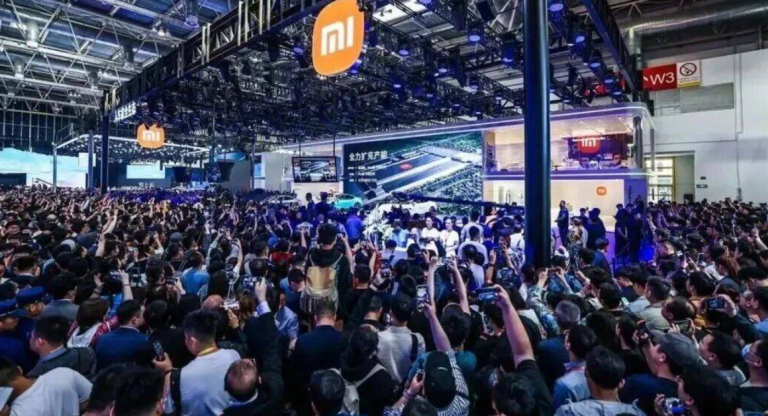
However, the 2026 Beijing International Auto Show marks a historic turning point. Seven Chinese manufacturers have simultaneously launched their “Class-9” flagship SUVs, signaling an all-out assault on the traditional luxury moat.
The “Great Seven” Flagship Lineup
These models represent the pinnacle of Chinese automotive engineering, covering BEV, EREV, and PHEV powertrains.
| Model | Status | Price Range (Est. USD) | Key Competitive Edge |
| NIO ES9 | Pre-sale | $73k – $91k | 900V SkyRide Chassis & Battery Swap |
| Li Auto L9 Livis | Launching May 15 | $77,500 | Full-stack Drive-by-Wire & “Magic Carpet” Ride |
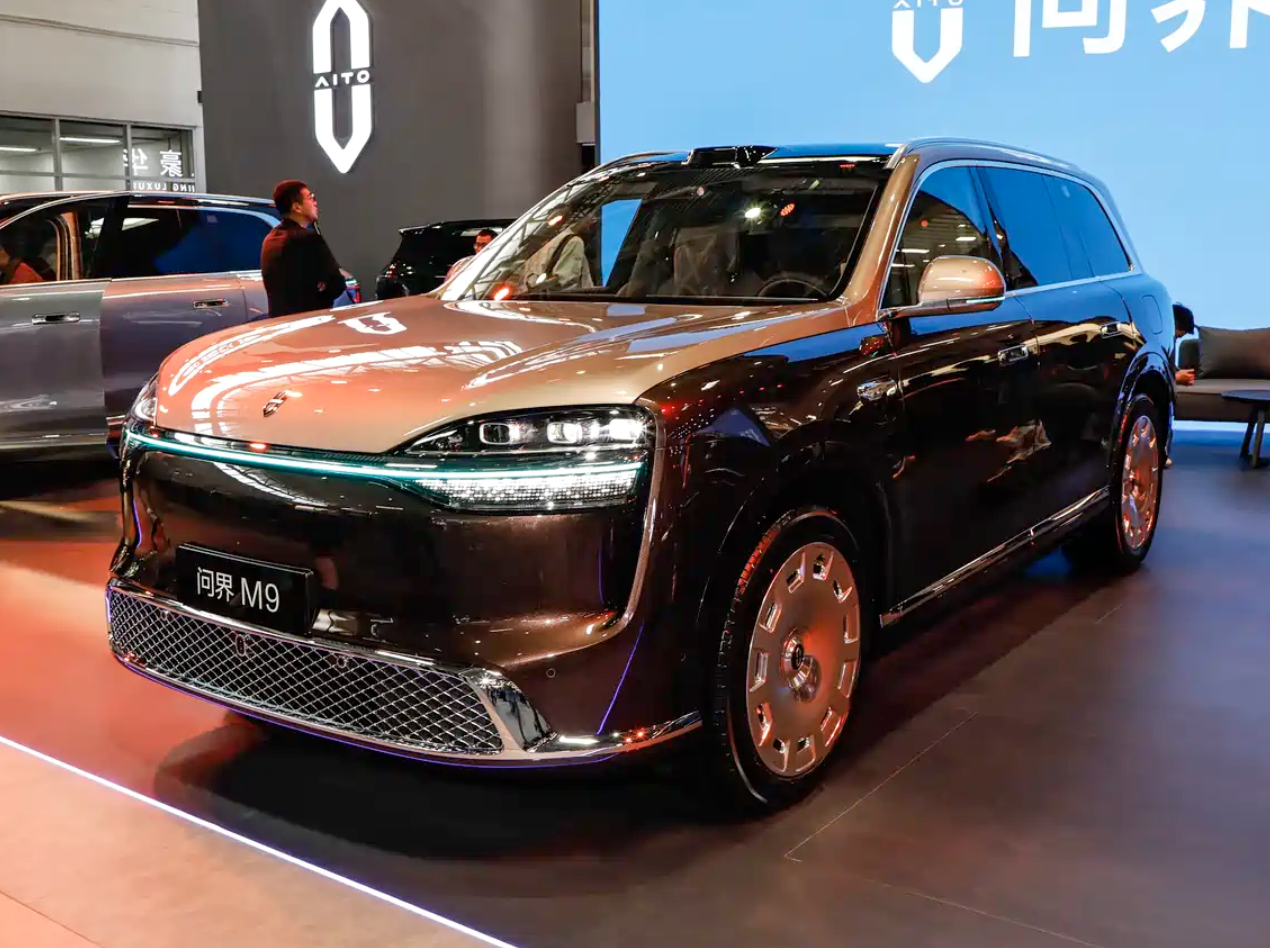
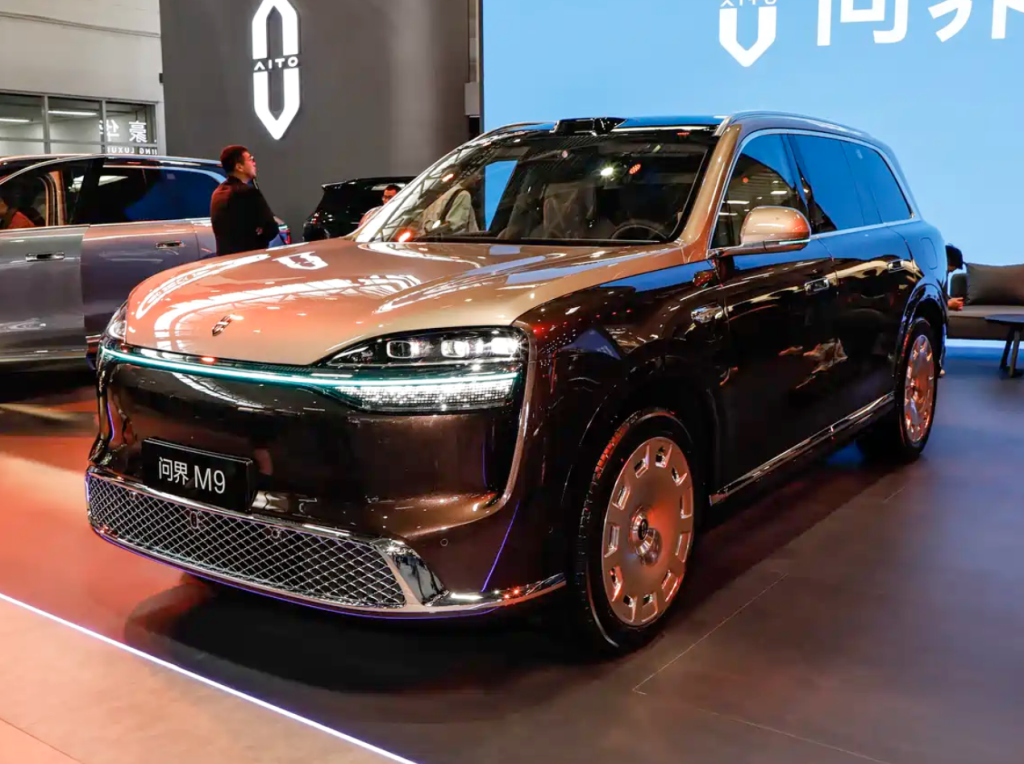
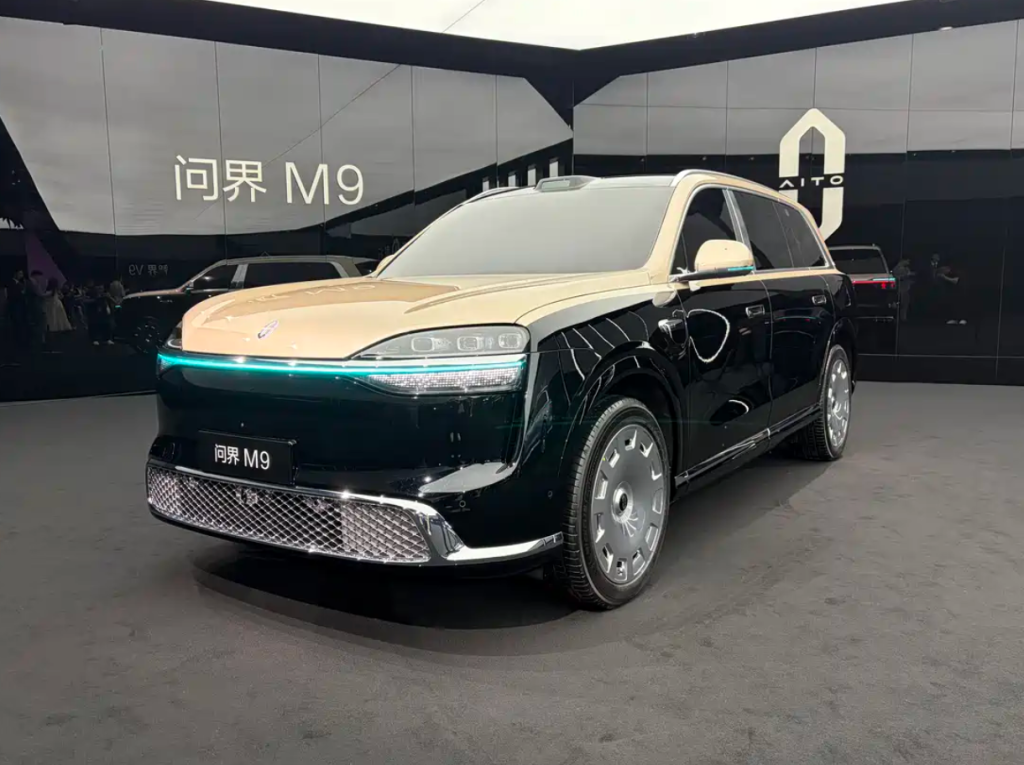
| AITO M9 (New) | Pre-sale | $69k – $93k | Huawei ADS 3.0 & Touring Active Chassis |
| Leapmotor D19 | Available Now | $30k – $37k | Flagship luxury at a “disruptor” price point |
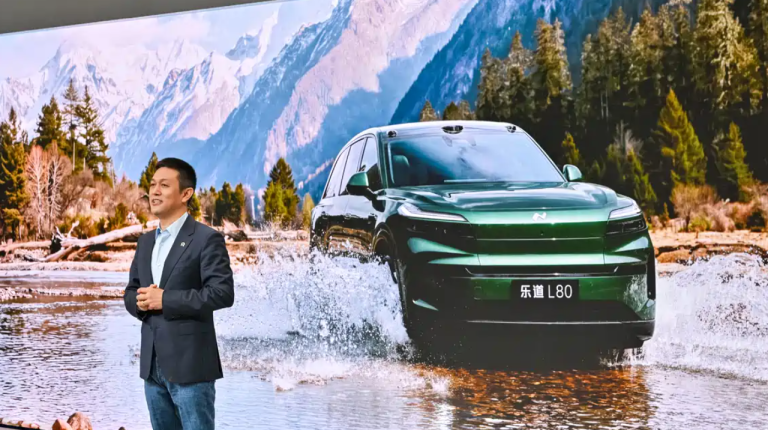
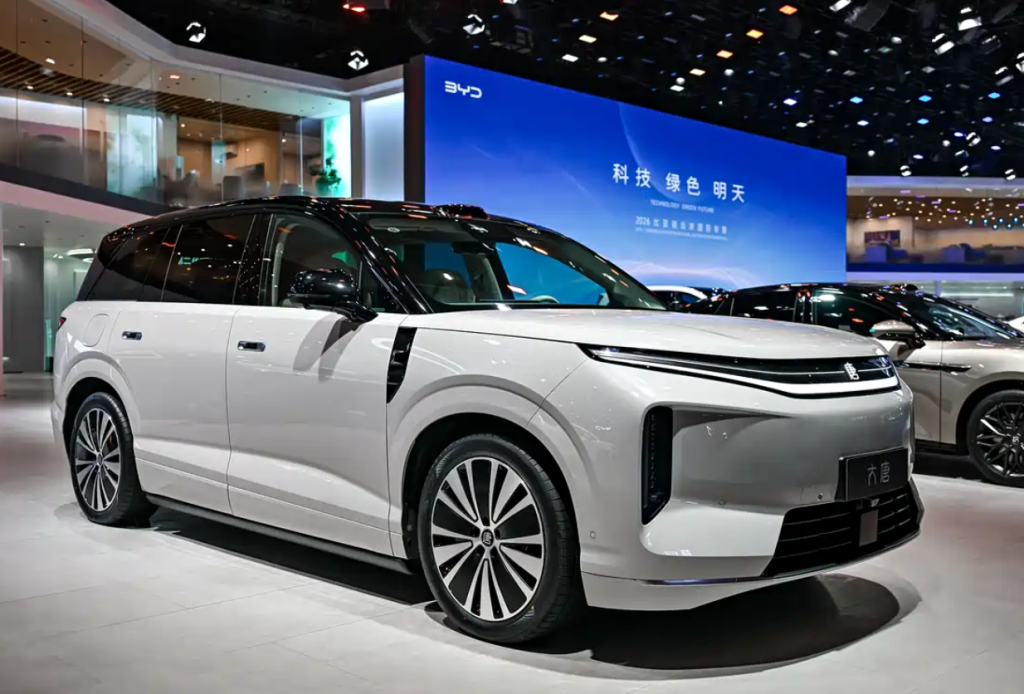
| BYD Tang (Next-Gen) | Pre-sale | $35k – $44k | 950km range & DiSus Intelligent Body Control |
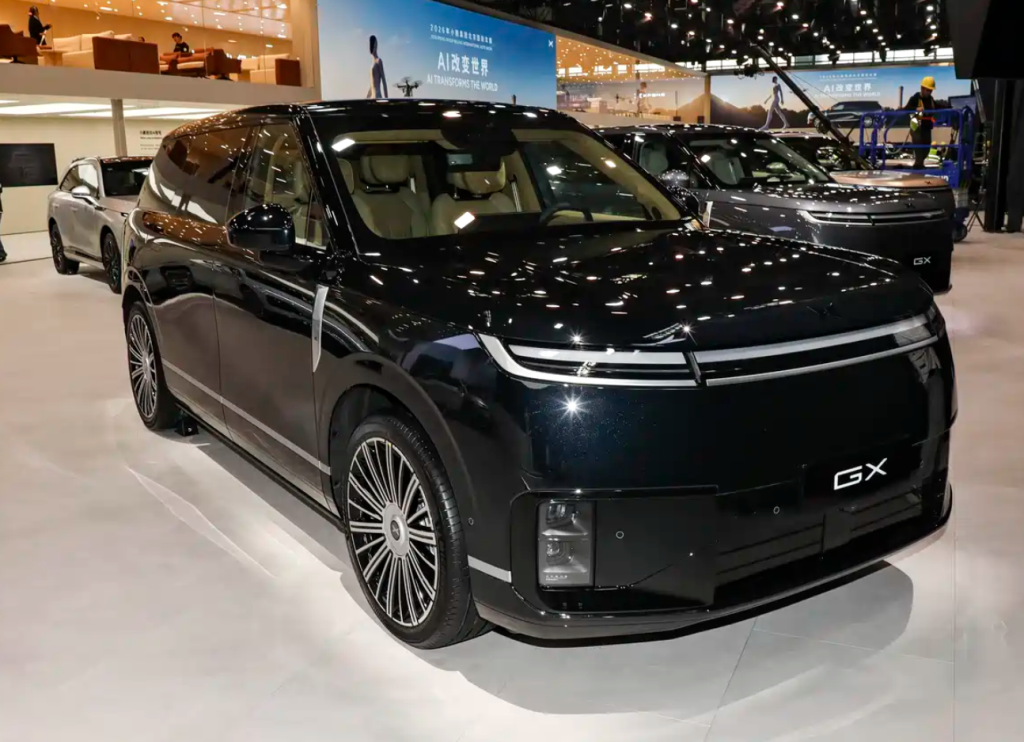
| XPENG GX | Launching Q2 | $55k | AI-driven VLA (Vision-Language-Action) ADAS |
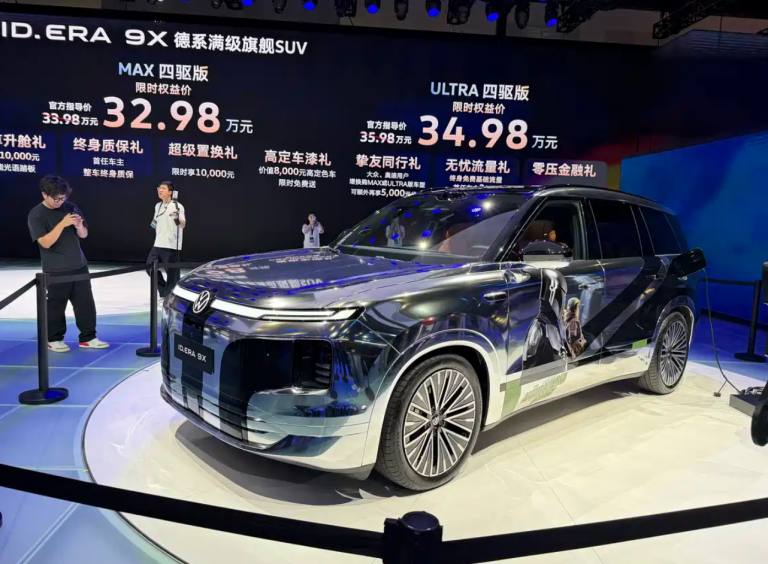
| WEY V9X | Pre-sale | $51k – $57k | 800V PHEV with 6C Supercharging |
4 Dimensions Where Chinese Flagships Now Outperform Legacy Luxury
The core competitiveness of a luxury car is being redefined. While BBA focuses on mechanical heritage, the “Class-9” Chinese fleet excels in four future-critical areas:
1. Intelligent Chassis Systems
Configurations once reserved for $150,000+ ultra-luxury cars are now standard on these Chinese flagships.
- Li Auto L9 Livis features a full-domain drive-by-wire chassis.
- NIO ES9 utilizes the SkyRide Intelligent Chassis, offering unparalleled vibration isolation.
- BYD Tang incorporates the DiSus system, allowing for active body control that rivals the most advanced German air suspensions.
2. The ADAS “Knowledge Gap”
The gap in autonomous driving is now a chasm.
- NIO ES9 carries 31 high-performance sensors, including triple LiDAR and the 5nm Shenji NX9031 chip.
- AITO M9 utilizes Huawei’s six-LiDAR perception system for 360-degree awareness.
- XPENG GX introduces the second-generation VLA (Vision-Language-Action) model, moving closer to human-like decision-making in complex urban traffic.
3. Diverse Energy Solutions
Unlike traditional luxury brands struggling with “EV-only” or “ICE-only” strategies, the Class-9 fleet offers:
- 800V/900V High-Voltage BEVs: For ultra-fast charging.
- EREVs (Extended Range): Combining city electric driving with zero long-distance anxiety.
- High-Performance PHEVs: Like the WEY V9X, which utilizes a 4-speed DHT and 800V architecture to solve high-speed efficiency issues.
4. Scenario-Based Luxury
Traditional luxury is about materials; Chinese luxury is about experience. These flagships feature:
- AI-integrated cockpits with multi-screen interaction.
- Aviation-grade seating with 32-point kneading massage.
- “Living Room” modes: VOYAH and BYD offer one-touch bed transformations and high-fidelity immersive soundscapes.
Market Impact: Piercing the Price Bubble
The strategy is clear: Precision Disruption.
- The Direct Attack: NIO, Li Auto, and AITO are targeting the BMW X5 and Mercedes GLE head-on with superior tech at a similar or slightly lower price.
- The Mid-Market Squeeze: XPENG and WEY are siphoning off buyers looking for premium features in the $40k-$50k range.
- The Value Revolution: Leapmotor and BYD are offering flagship-sized SUVs at $25k-$30k, making the “luxury flagship” experience accessible to the mass market.
Final Verdict
The 2026 Beijing Auto Show proves that the era of paying a “brand premium” for legacy badges is fading. As Chinese brands shift their focus from “value for money” to “chassis quality and AI dominance,” the global luxury landscape is being permanently reshaped. For the consumer, the winner is clear: high-end technology has finally become a standard, not a luxury.
About the Author