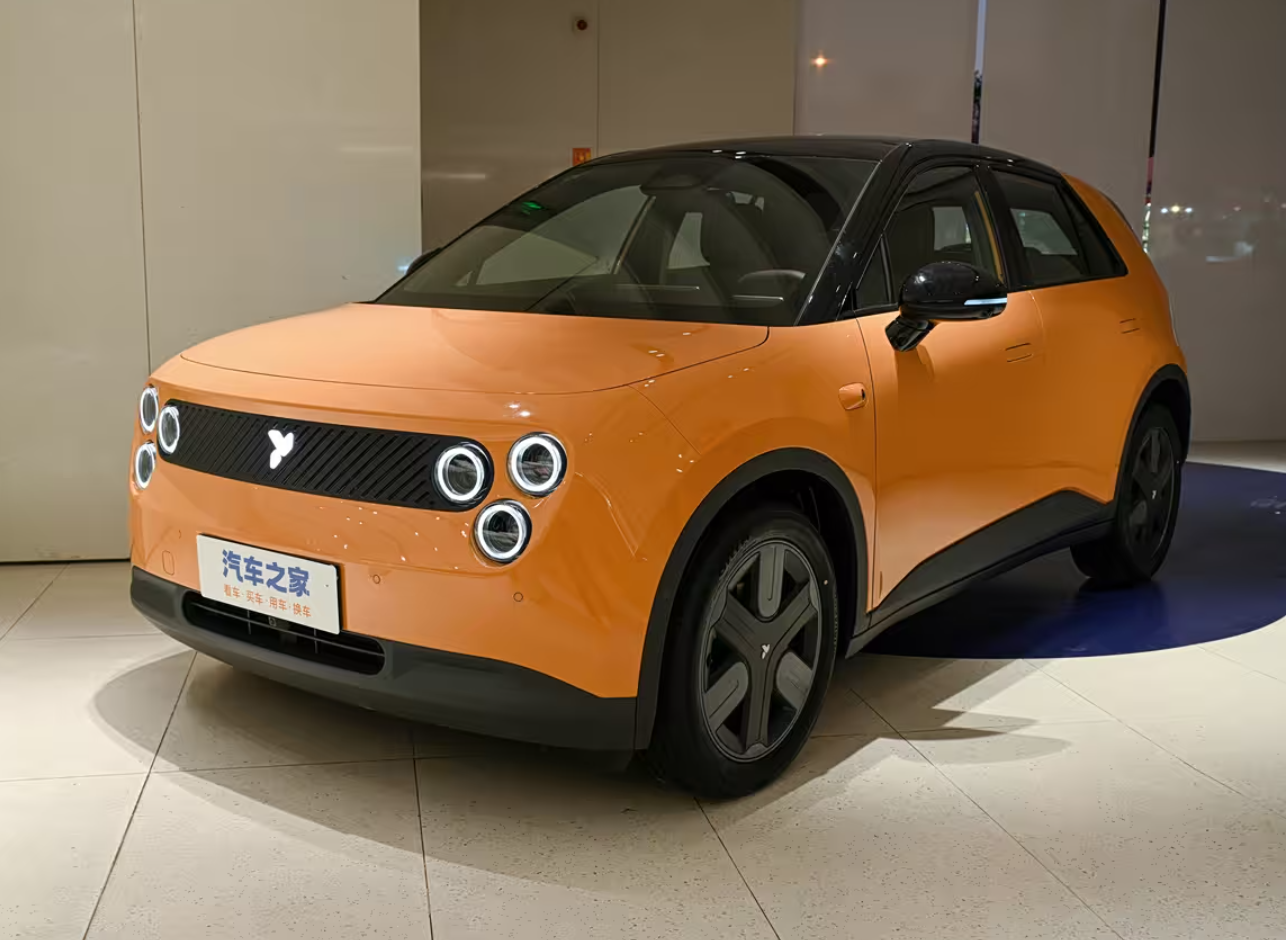
Nio Firefly brand strategy
At the 2026 Beijing Auto Show, the theme “Leading the Era, Intelligent Future” took center stage. Amidst a sea of oversized SUVs, Pu Yang, Vice President of Nio and Head of Firefly, sat down to discuss why the industry’s obsession with “bigger is better” has created a massive market gap for high-quality, compact urban electric vehicles.
The “Perfect Size” Philosophy: Filling the Quality Gap (H2)
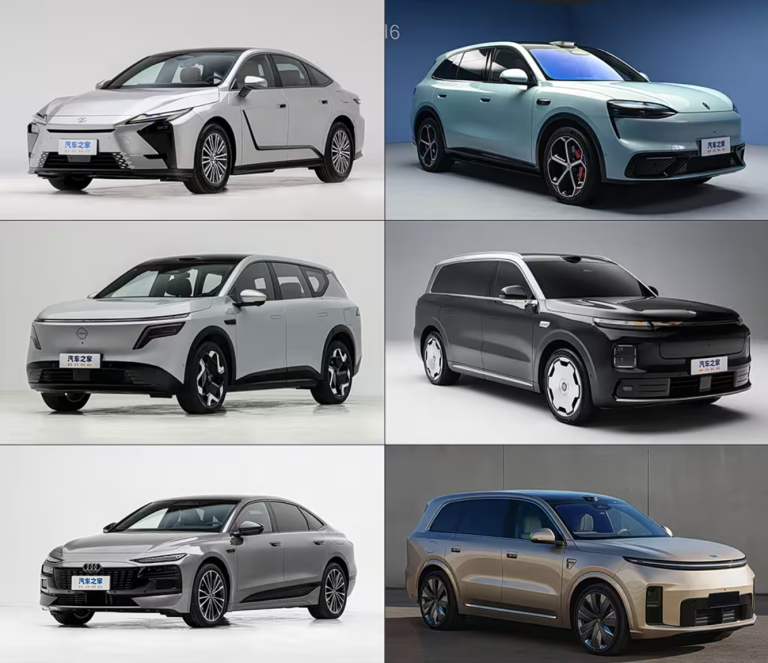
While the global market is saturated with 5-meter-long SUVs, Firefly is pivoting toward the “individual” and “small family” units. Pu Yang identifies a distinct disconnect in the current EV landscape:
- The Oversized Trend: Massive SUVs meet business and large-family needs but fail in dense urban environments.
- The Quality Deficit: Most compact EVs are treated as “entry-level” budget cars, sacrificing safety and premium materials to hit low price points.
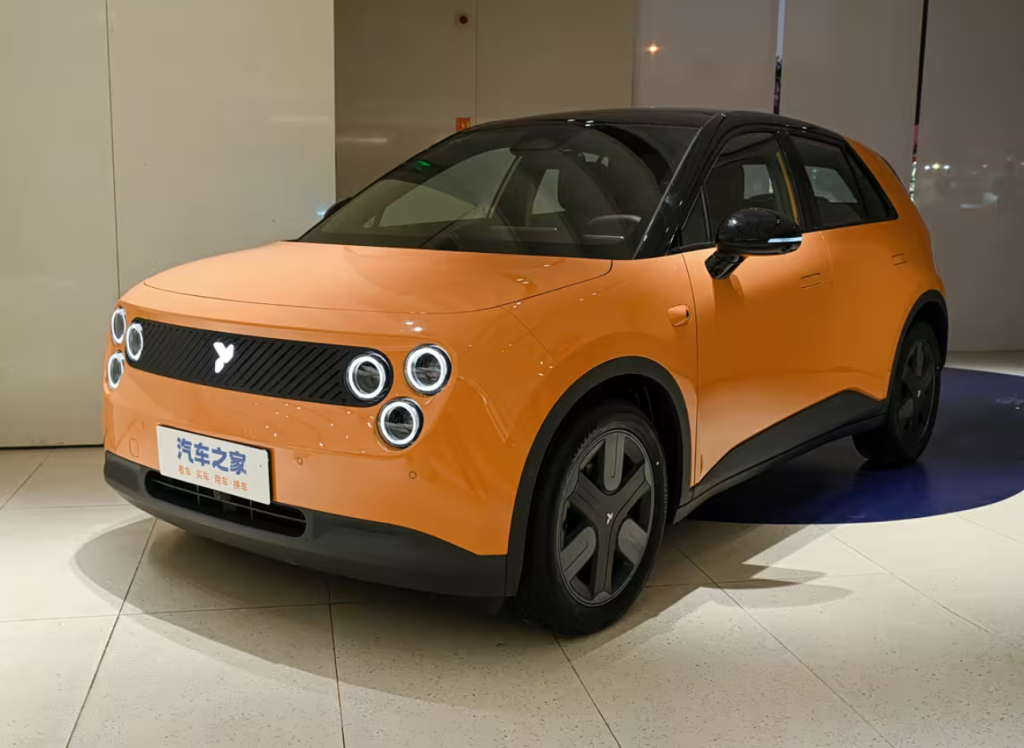
Firefly’s mission is to be “Just Small Enough.” It isn’t about being the cheapest; it’s about providing a premium, nimble, and highly customizable urban tool.
Safety Without Compromise: The “Triple Crown” Winner (H2)
One of the biggest hurdles for small EVs is the consumer perception that “smaller equals less safe.” Firefly has shattered this myth by becoming the world’s first compact EV to achieve a Safety Triple Crown:
- Euro NCAP (Europe): 5-Star Rating (Highest occupant protection score in its class).
- C-NCAP (China): 5-Star Rating.
- C-IASI (China): All-Excellent (GGG) Rating.
How did they achieve this in a $15,000–$20,000 car?
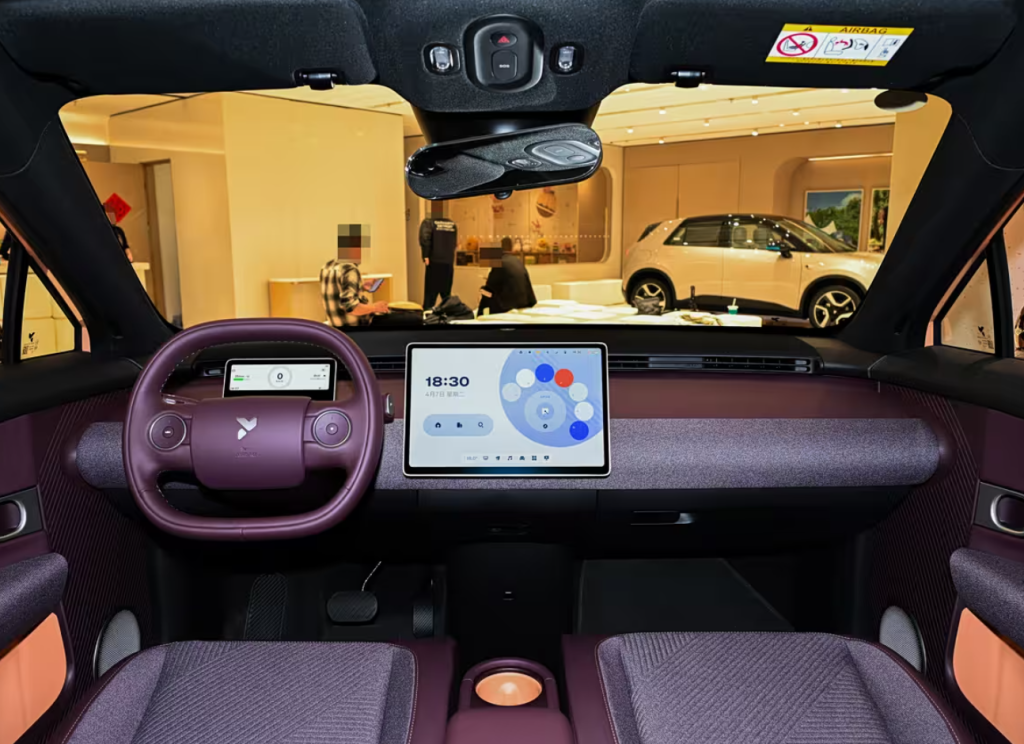
- Premium Materials: High-strength steel and aluminum account for 83.4% of the chassis—levels usually reserved for ultra-luxury vehicles.
- Standard Active Safety: Features like AEB (Automatic Emergency Braking) and AES (Automatic Emergency Steering) are standard, powered by Nio’s group-wide technology stack.
- Passive Protection: Equipped with 9 airbags as standard.
Customization: The “Born for Modification” Lifestyle (H2)
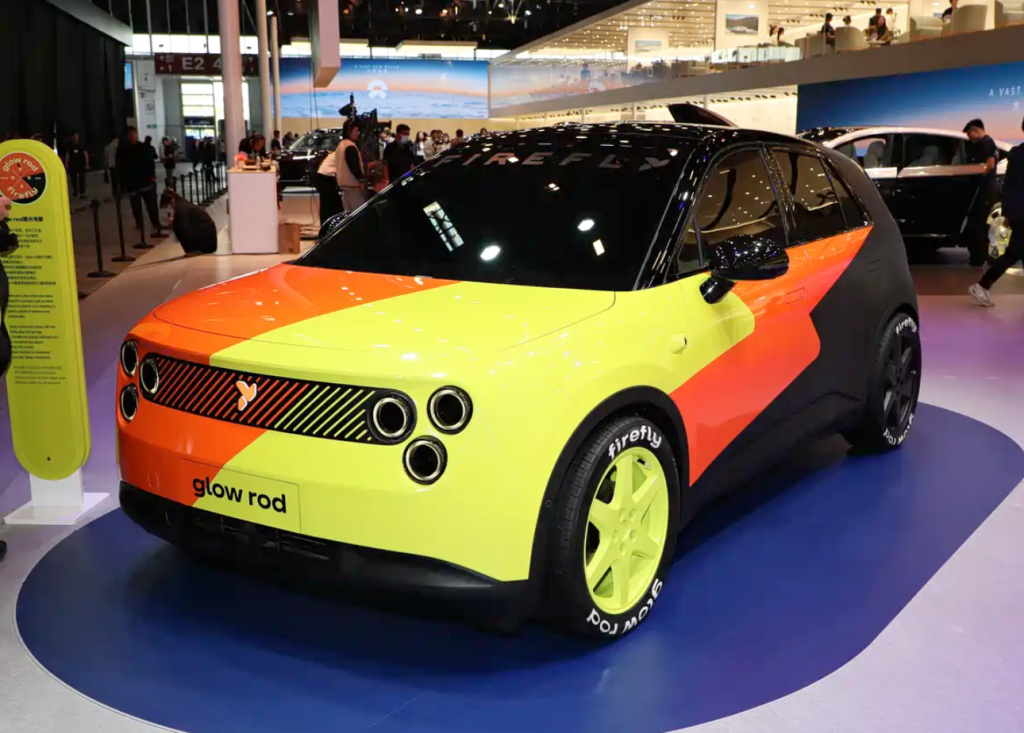
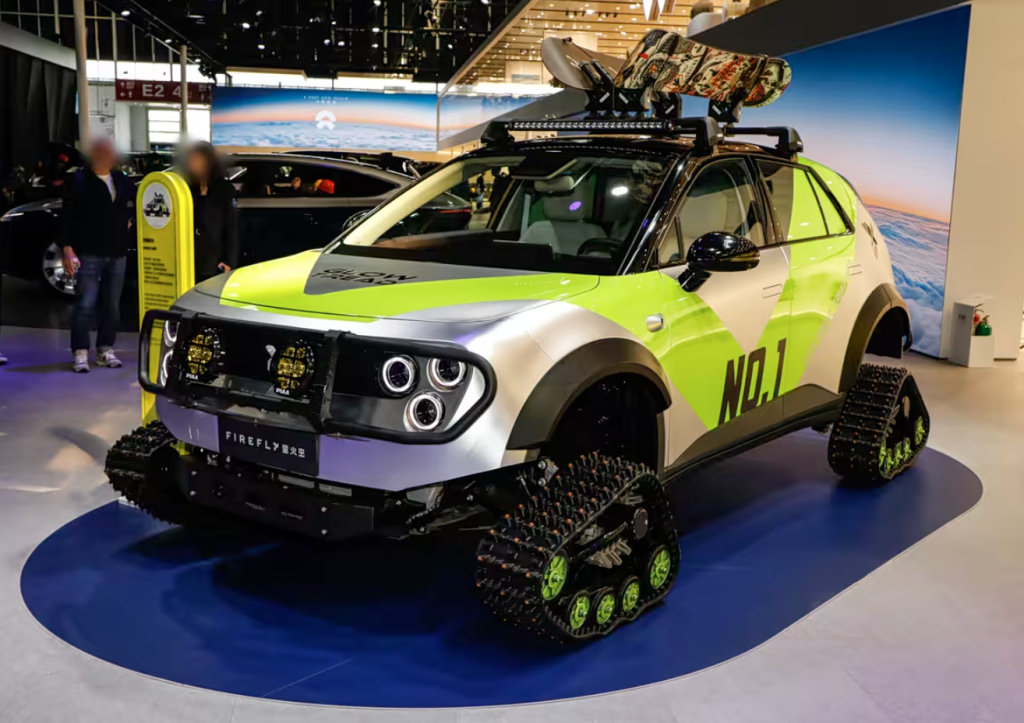
Data from the Beijing Auto Show reveals a staggering 40% modification penetration rate among Firefly users. This is exceptionally high for the automotive industry. At the show, Firefly showcased three distinct personas for the vehicle:
- Project Glow: A co-creation plan with users.
- Hot Rod Culture: The “Glow Rod” concept, inspired by 20th-century American car culture but reimagined for the electric age.
- Adventure Styles: From snow-track versions to British retro designs, Firefly is positioning itself as a “fashion statement” rather than just a commuter car.
The Convertible Question: Quality over Hype (H2)
Addressing the rumors of a Firefly Convertible, Pu Yang offered a reality check. Unlike competitors who might simply “chop the roof off,” Nio’s standards require a complete structural re-engineering to maintain 5-star safety.
- The Investment: Estimated at hundreds of millions of RMB.
- The Timeline: Not arriving in 2026. Firefly is prioritizing structural integrity over a quick market launch.
Global Expansion: From Thailand to Europe (H2)
Firefly is already a global player, currently operating in 11 countries across Europe, the Americas, and Asia.
- Recent Milestone: The brand recently won the prestigious “World Urban Car” award, validating its appeal beyond China.
- New Markets: Having recently launched in Thailand (Right-Hand Drive) and Costa Rica, Firefly is navigating global challenges like tariffs and dealer network expansion with a long-term “brand-building” mindset.
Consultant’s View: The “Deflation” of the Chinese Car Market (H2)
The industry is facing a “profitability crisis,” with margins dropping as low as 2.9% in early 2026. Pu Yang views this “involution” (extreme competition) as a double-edged sword:
- The Pro: Global consumers are getting the world’s most advanced tech at the lowest prices in history.
- The Con: The lack of profitability threatens long-term R&D and the health of the massive automotive supply chain.
For Firefly, the solution is Product Thickness. Only by offering technology that competitors cannot replicate at the same price point—like the 900V architecture or group-shared smart driving—can a brand survive this deflationary cycle.
About the Author