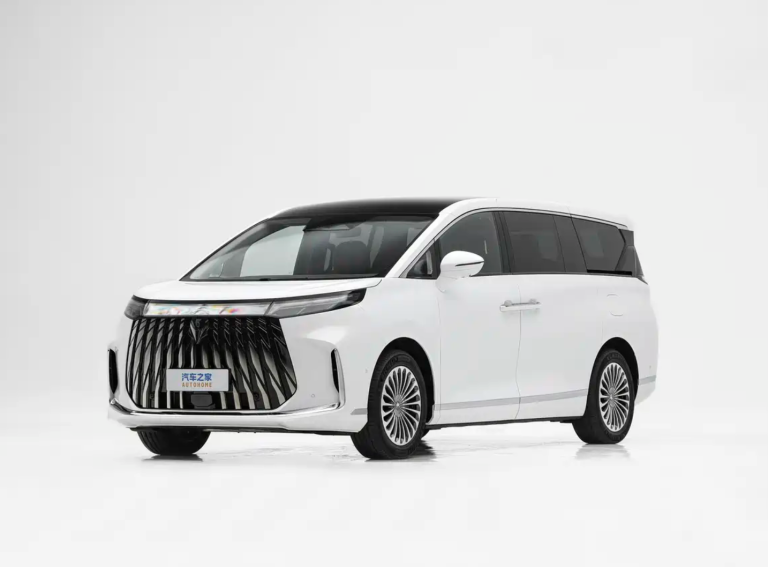
NIO is set to significantly elevate its intelligent driving capabilities with a major update to its proprietary World Model AI system. Following the successful delivery of the NIO ES9, the automaker has confirmed that this advanced software version will be pushed to all existing vehicles equipped with the Banyan, Cedar, and Cedar S smart systems starting this June.
A Breakthrough in Autonomous Driving Architecture
Since initiating research into the “World Model” technology in 2023, NIO has remained at the forefront of the intelligent assisted driving industry. In 2025, the company pioneered the integration of closed-loop reinforcement learning, moving this technology into mass production by January 2026.
The results have been transformative. Since the initial release of the World Model-powered driving architecture in January, user engagement has surged. Over a three-month period, the distance covered using NIO’s City Navigate on Pilot (NOP) increased by 92%, while total usage time saw a significant 116% boost.
Key Upgrades: The Three-Layer Training Framework
The upcoming update introduces a more sophisticated “Three-Layer Training Framework,” consisting of:
- World Model: The foundation for environmental understanding.
- Supervised Fine-Tuning (SFT): Enhances the model by mimicking human behavioral patterns, resulting in a more natural driving experience.
- Closed-Loop Reinforcement Learning: Ensures high performance, compliance, and safety.
By removing the reliance on pre-defined trajectories, the system can now interact directly with steering and acceleration controls. This architectural shift significantly reduces latency, providing a smoother, more precise, and “human-like” driving experience.
Enhanced Environmental Perception
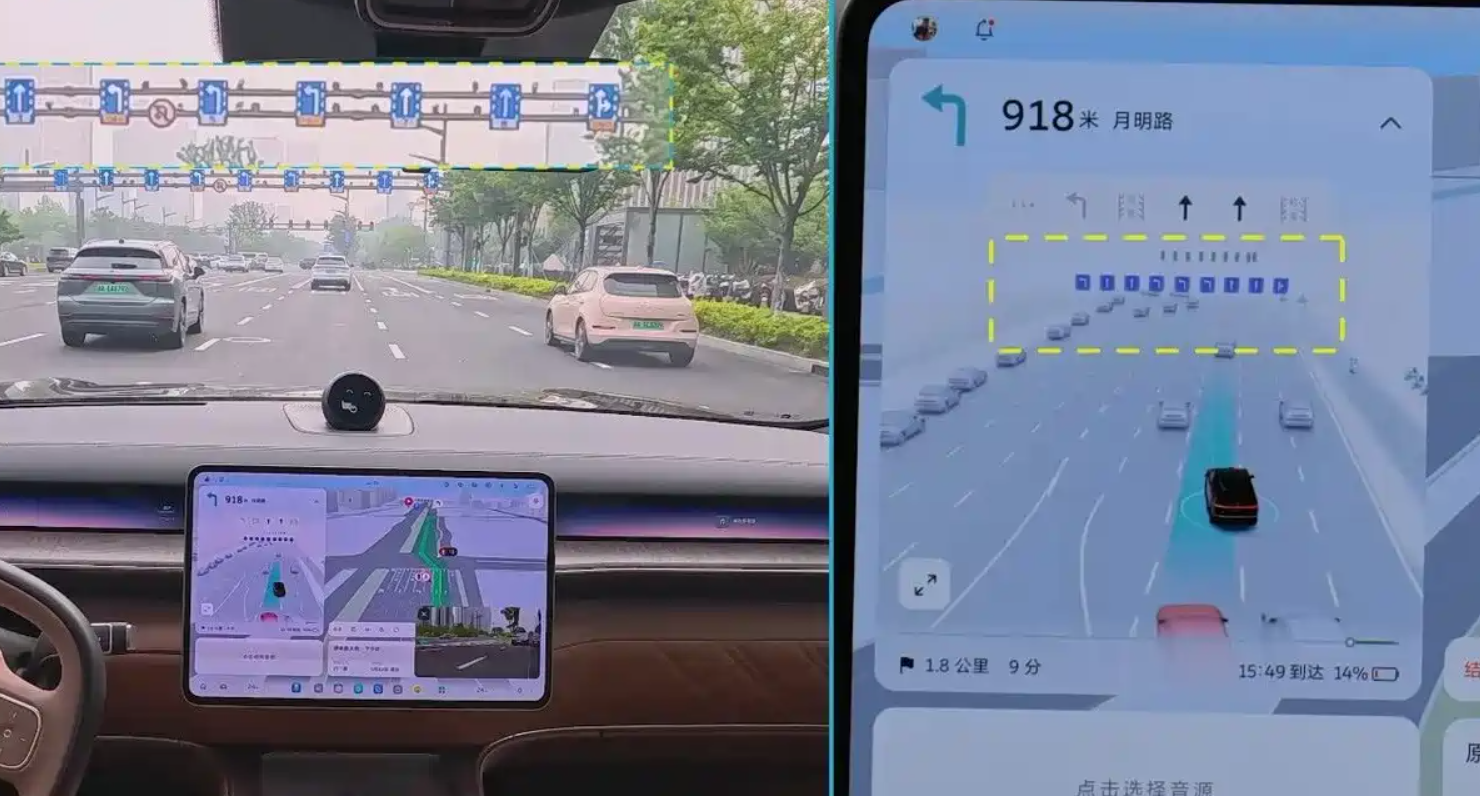
A major highlight of this update is the improved sensor data representation. NIO’s system now demonstrates industry-leading capabilities in real-time recognition and understanding of complex traffic scenarios, including:
- Reversible Lanes (Tidal Lanes): Improved navigation through adaptive lane systems.
- Dynamic Road Signs: Enhanced recognition of variable overhead signage.
These improvements mean that NIO vehicles can now handle more complex urban road conditions with greater lane-selection accuracy.
Consistent Experience for All Users
NIO emphasizes its commitment to software longevity. Regardless of whether a user purchased a Banyan-based model in 2022 or a newer Cedar/Cedar S model in 2026, the June update aims to deliver a nearly uniform, high-performance intelligent driving experience across the entire fleet.
For more news on the latest EV technologies and smart vehicle updates, stay tuned to [Your Website Name].
About the Author