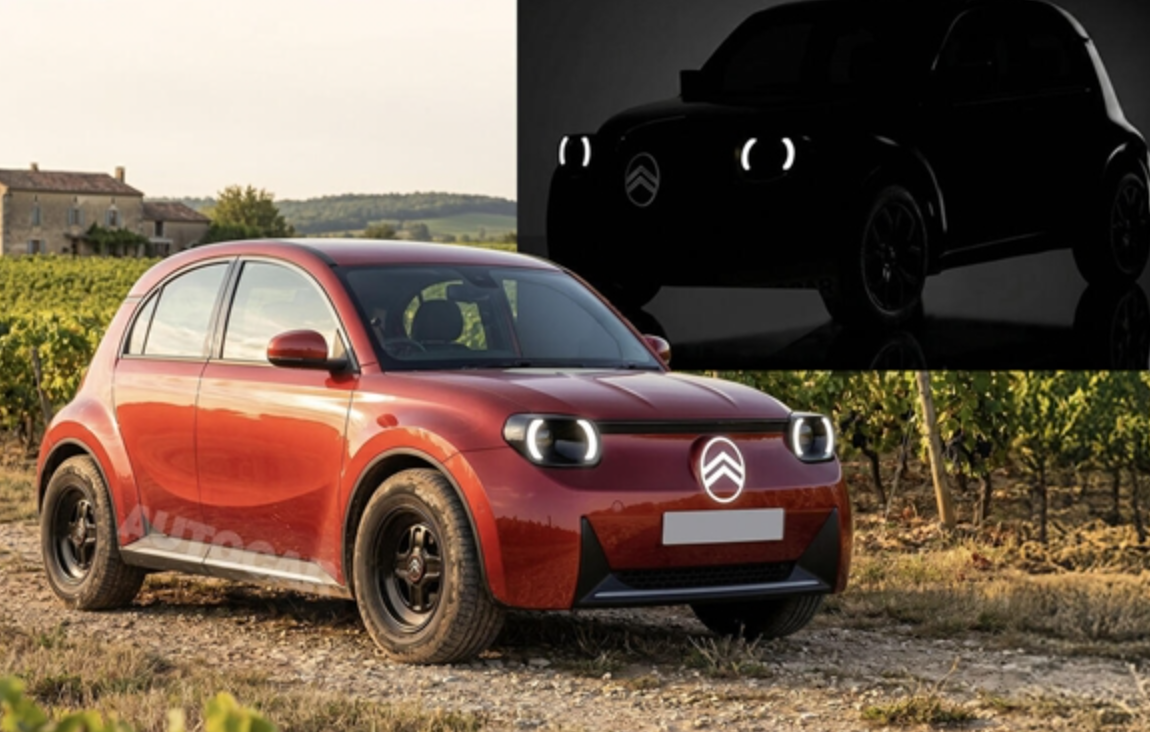
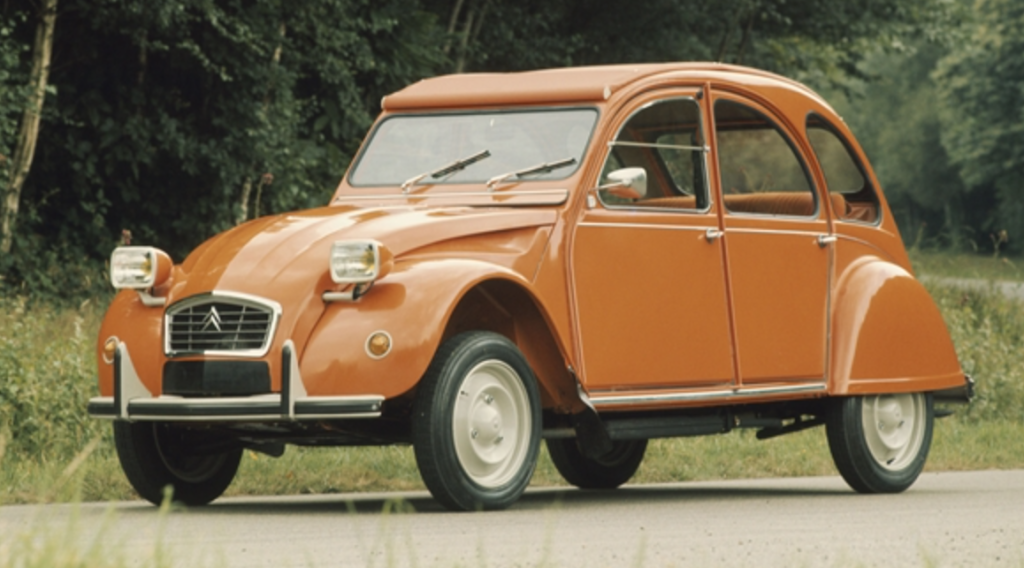
The legendary Citroen 2CV, one of Europe’s most beloved budget automobiles, is making a dramatic comeback as a fully electric vehicle. Citroen officially announced on May 24, 2026, that the iconic nameplate will return at the 2026 Paris Motor Show, with production scheduled to begin in Italy in 2028.
A Historic Legacy Reborn for the Electric Era
The original 2CV (Deux Chevaux) holds a special place in automotive history. Produced from 1949 to 1990, this humble yet revolutionary vehicle sold over 5 million units across its four-decade production run. Designed to provide affordable transportation for post-war Europeans, the 2CV embodied the principles of simplicity, practicality, and accessibility.
Now, under Stellantis’ ambitious electrification strategy, the 2CV nameplate will once again democratize personal transportation—but this time with zero emissions.
Staying True to the Original Vision
The new electric 2CV will faithfully carry forward the core values that made its predecessor an icon:
- Classic Round Styling: Retro body curves that evoke the original’s charming silhouette
- Accessible Posture: Low step-through design for easy entry and exit
- Affordable Price Point: Targeting €15,000 (approximately $16,500 USD)
- Lightweight Construction: Maintaining the original’s philosophy of minimal weight
- Practical Versatility: Designed for everyday usability, not just status
Stellantis E-Car Strategy and European Market Context
The 2CV’s revival is a cornerstone of Stellantis’ comprehensive “E-Car” strategy, which aims to develop low-cost small electric vehicles specifically for the European market. This initiative serves multiple strategic purposes:
- Compliance Benefits: Qualifies for EU “super credits” that help manufacturers meet emissions targets
- Market Expansion: Captures first-time EV buyers and budget-conscious consumers
- Competitive Positioning: Competes directly with budget Chinese EVs like the BYD Dolphin
Stellantis has committed to launching 110 new models by 2030, with the electric 2CV being among the most strategically significant entries.
Partnership with Leapmotor for Cost-Effective Production
To achieve the aggressive €15,000 price point, Stellantis is leveraging its partnership with Chinese automaker Leapmotor. Production will take place at Stellantis’ Pomigliano d’Arco facility in Italy, combining:
- European Manufacturing: Ensuring EU-market eligibility and reducing supply chain risks
- Chinese Technology: Utilizing Leapmotor’s proven electric vehicle architecture
- Shared Platform: Costs reduced through economies of scale across multiple brands
This collaboration allows Stellantis to offer European-built electric vehicles at Chinese price points.
Market Impact and Competition
The new 2CV enters a rapidly evolving European EV landscape:
- Primary Competitor: BYD Dolphin (priced above the 2CV’s target)
- Market Segment: Entry-level urban electric vehicles
- Target Demographics: First-time buyers, urban commuters, cost-conscious families
At €15,000, the 2CV Electric would be one of the most affordable new electric vehicles available in Europe, potentially accelerating EV adoption among price-sensitive consumers who have been slow to transition from combustion vehicles.
Frequently Asked Questions
When will the electric Citroen 2CV be available?
The electric Citroen 2CV is expected to debut at the 2026 Paris Motor Show, with production scheduled to begin in Italy in 2028.
How much will the Citroen 2CV Electric cost?
Citroen has announced a starting price of €15,000 (approximately $16,500 USD), making it one of the cheapest electric vehicles in Europe.
What is the production location for the new 2CV?
The electric 2CV will be manufactured at Stellantis’ Pomigliano d’Arco factory in Italy, produced in collaboration with Chinese partner Leapmotor.
How many original 2CV cars were sold?
The original Citroen 2CV was produced from 1949 to 1990, with over 5 million units sold worldwide during its four-decade production run.
About the Author