China-Exclusive EVs 2026
The year 2025 was a wake-up call for legacy automakers in China. While Huawei’s ecosystem expanded and Xiaomi broke sales records, international brands were largely in a “testing phase.” However, 2026 marks a decisive turning point. No longer content with playing catch-up, global giants are launching a wave of “China-Exclusive” (Specially Tailored) models.
By integrating local supply chains, adopting Chinese autonomous driving tech, and aligning their pricing with local brands, these five models prove that foreign automakers are finally ready to go toe-to-toe with China’s domestic champions.
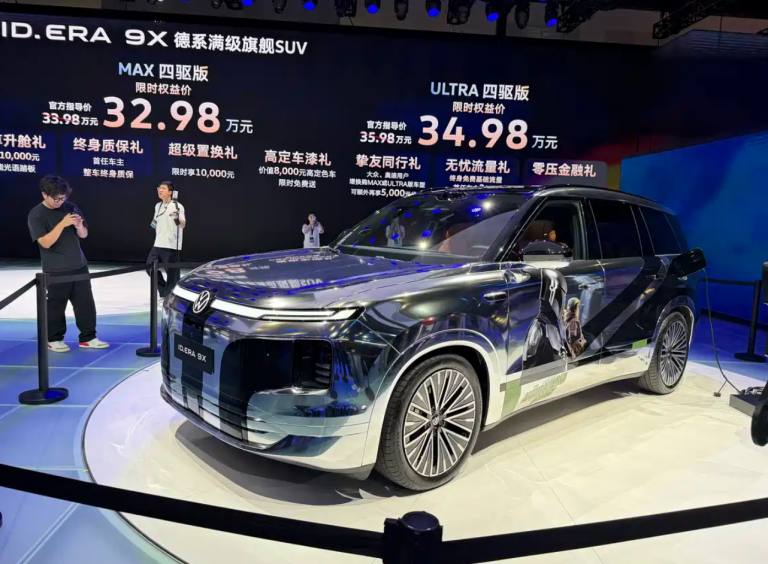
1. Volkswagen ID. ERA 9X: The German Luxury EREV
The Volkswagen ID. ERA 9X is a flagship EREV (Extended Range Electric Vehicle) SUV that ditches traditional VW styling for a minimalist, “New Force” aesthetic.
- Performance: Features a 1.5T range extender with dual motors producing 517 hp. It hits 0-100 km/h in 5.6 seconds.
- Range: Equipped with a CATL battery, it offers a CLTC pure electric range of 406 km, eliminating range anxiety.
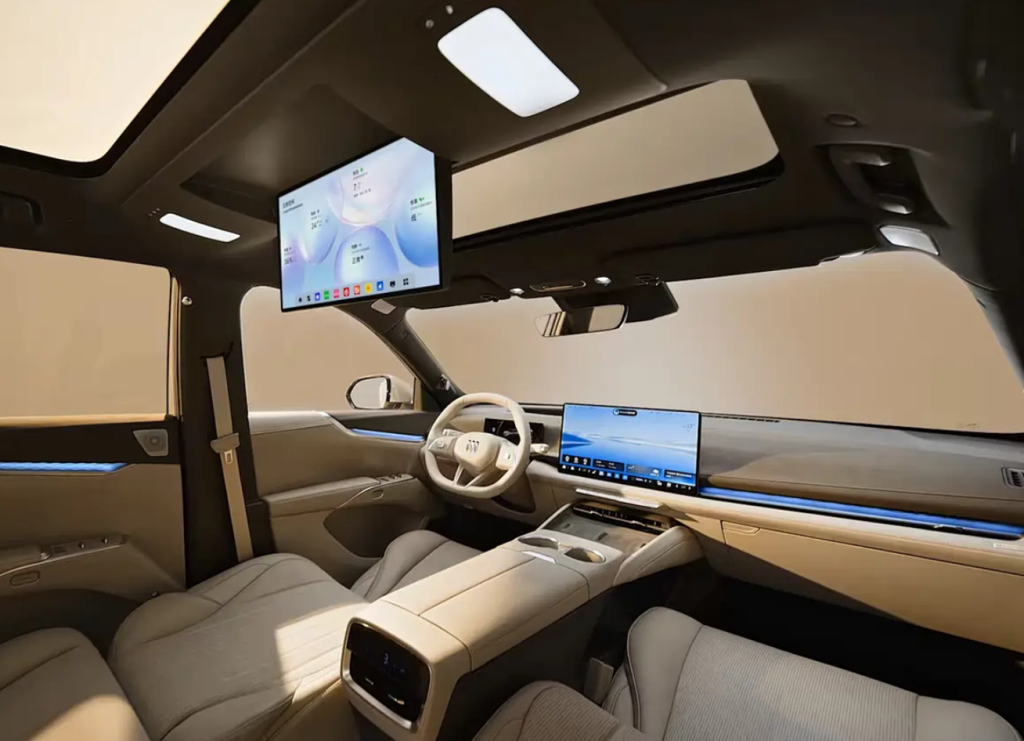
- Intelligence: Powered by the Momenta R7 Learning Model, it supports full-scenario Pilot Assist. The “Yunqi” Smart Cockpit features a unique 9-screen linkage, including “Magic Screens” hidden in door panels.
- Target Market: Priced in the 300,000 RMB+ range, it directly challenges the IM LS9.
2. Dongfeng Nissan NX8: High-Tech at an Unbeatable Price
Built on the Tianyan Architecture 2.0, the NX8 is Nissan’s most advanced localized effort yet, offering both BEV and EREV powertrains.
- Charging Speed: The EV version utilizes an 800V Silicon Carbide platform and 5C supercharging, going from 10% to 80% in just 12 minutes.
- Smart Features: Includes a 63-inch AR-HUD and dual AI models (Xunfei Spark + DeepSeek-R1) powered by the Snapdragon 8295P chip.
- The “Killer” Pricing: With a core price range of 159,900 – 174,900 RMB, the NX8 offers mid-to-large SUV luxury at a price that undercuts competitors like the Leapmotor C16.
3. Audi E7X: The Ultimate “Sino-German” Hybrid
The Audi E7X is a product of the collaboration between Audi and SAIC. It combines Audi’s legendary driving dynamics with China’s cutting-edge digital ecosystem.
- The Hardware: A 900V high-voltage platform allows for 429 km of range in just 10 minutes of charging. The dual-motor setup delivers 680 hp and a blistering 3.9s 0-100 km/h time.
- Advanced Autonomy: It is the first to debut Momenta’s “L3-ready” technology, capable of navigating complex urban environments and even automated ETC toll passage.
- Luxury: Available in a 4-seat ultra-luxury version with zero-gravity seats and a “Starry Sky” roof.
4. Toyota Bozhi 7: Powered by Huawei & Momenta
Following the success of the Bozhi 3X, the Bozhi 7 (Platinum 7) represents Toyota’s deep integration with the Chinese tech ecosystem.
- Huawei Tech: Driven by the Huawei DriveONE motor system, ensuring class-leading efficiency and silence.
- HarmonyOS Cockpit: Features HarmonySpace 5, offering a seamless smartphone-to-car experience and a human-like AI assistant.
- Market Position: Priced between 209,800 – 229,800 RMB, it targets the BYD Han EV and Xpeng P7+, leveraging Toyota’s reputation for reliability paired with modern Chinese tech.
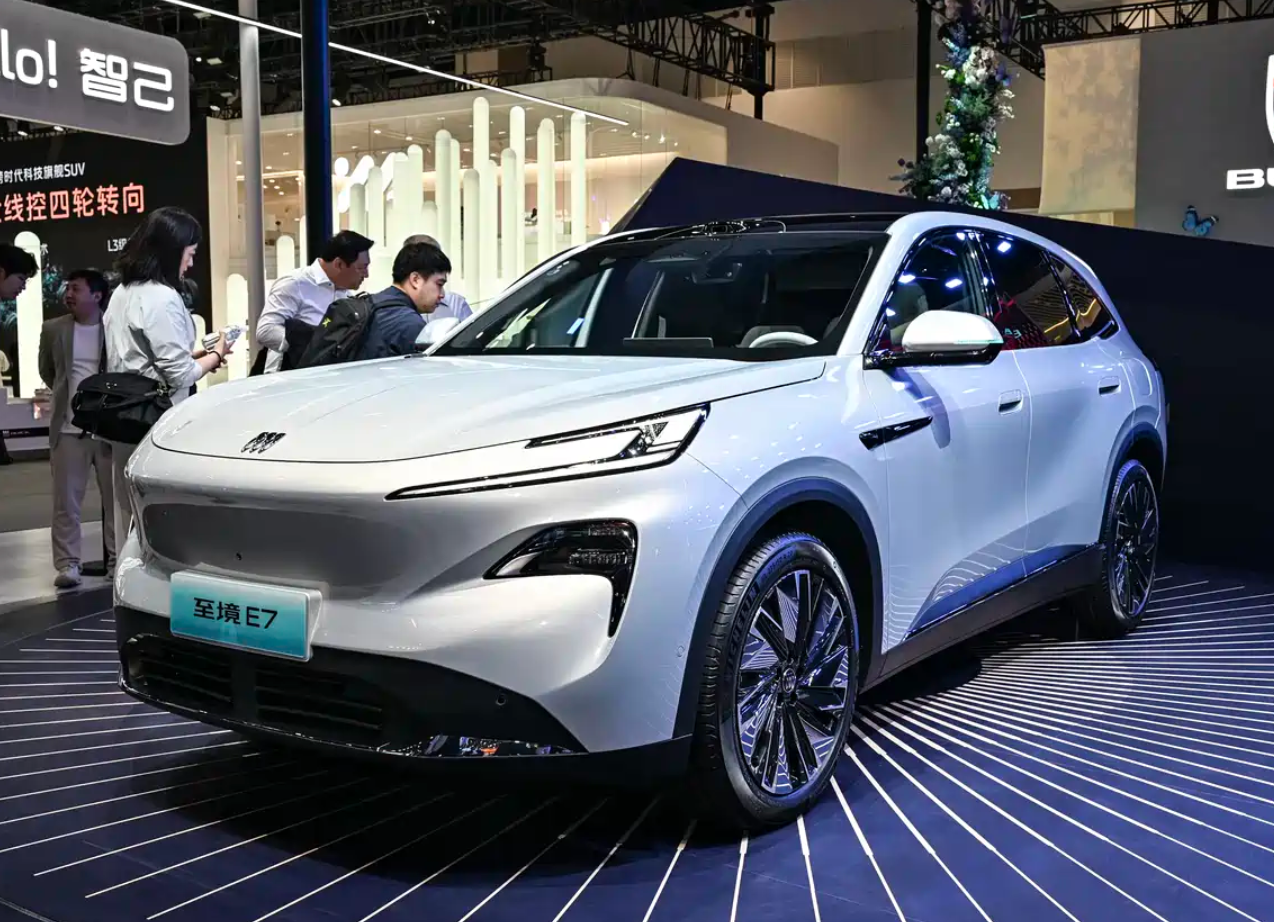
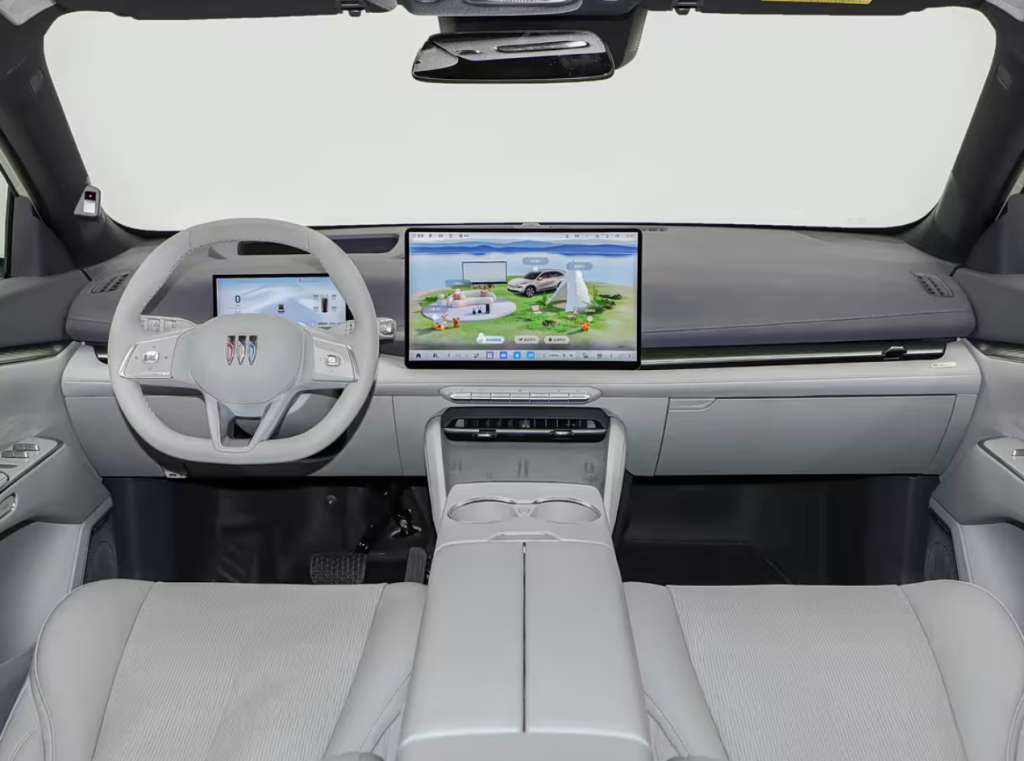
5. Buick Envista E7 (至境 E7): The Efficiency King
Developed by the Pan-Asia Technical Center, the Envista E7 is a PHEV designed to dominate the mid-size SUV segment.
- Unrivaled Range: The “Zhenlong” PHEV Pro system delivers a combined CLTC range of over 1,600 km.
- Smart Cabin: Boasts a massive 50-inch AR-HUD and the “Xiaoyao” intelligent driving system developed with Momenta.
- Value Proposition: The “1600 Ultra” trim is priced at 174,900 RMB, offering premium features like a 20-speaker Dolby Atmos system and a refrigerator as standard.
Editor’s Summary: A New Competitive Era
The 2026 “Counter-Attack” by global brands signifies a shift from passive observation to active disruption. By utilizing “China-Specific” platforms and partnering with local titans like Huawei, Momenta, and CATL, these brands are finally speaking the language of the Chinese consumer.
For buyers, this means more choices and better technology. For the industry, it signals the start of a “Healthy Competition” phase where heritage quality meets digital innovation.
About the Author