BBA Sales Plummet as Dealers Shift to EV Brands—Luxury Car Market Faces Historic Reshuffle
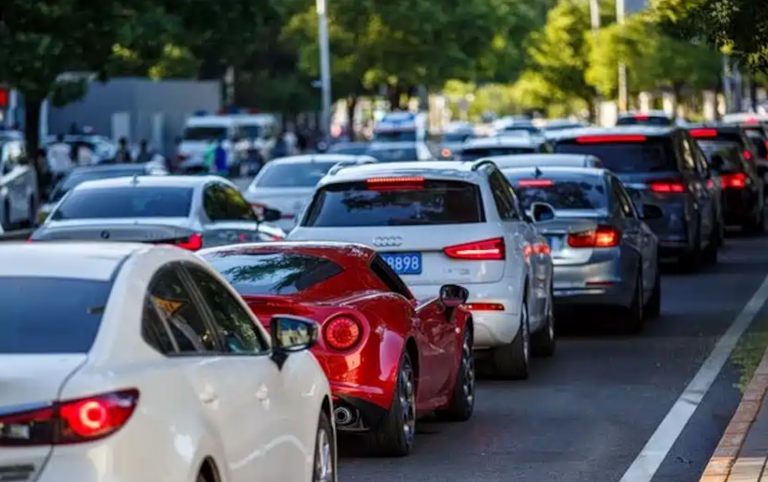
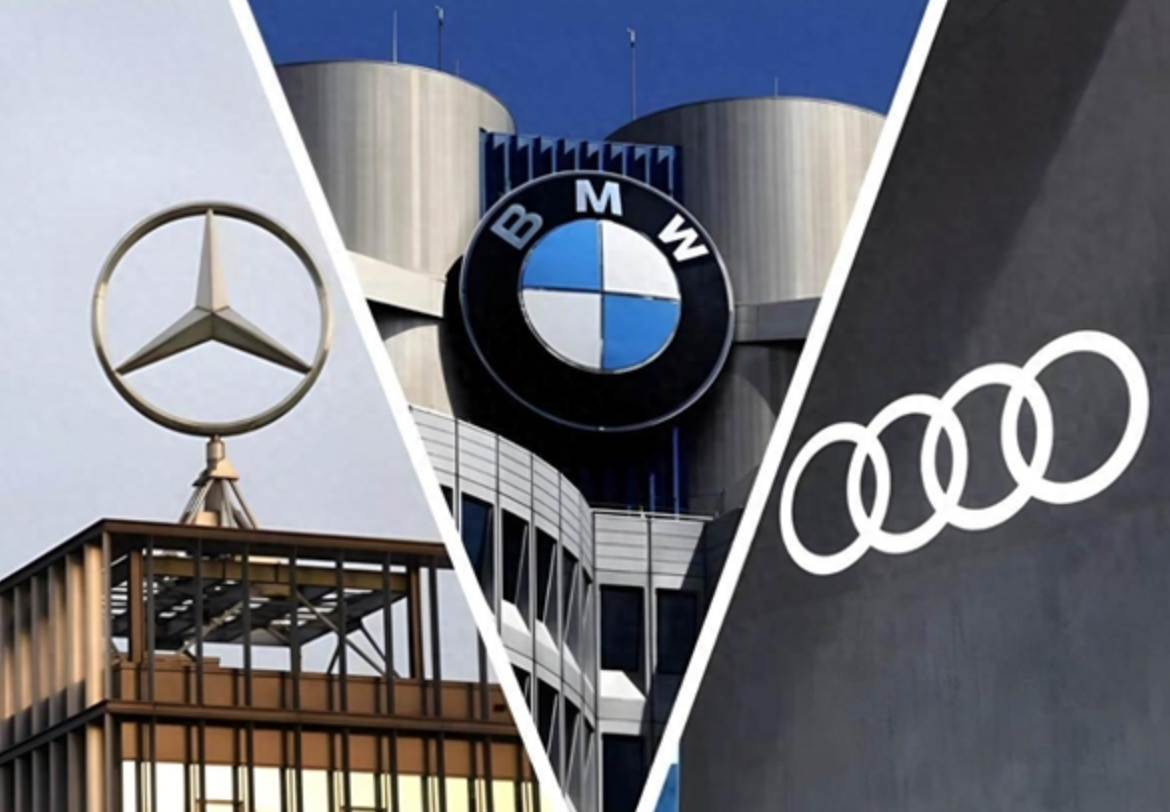
On May 25, 2026, the Q2 automotive market opened with significant challenges. April sales plummeted 21.5% year-over-year. Despite the Beijing Auto Show setting attendance records, it failed to stimulate market recovery. Mercedes-Benz, BMW, and Audi (BBA) collectively lowered sales targets and wholesale assessment standards for dealers by approximately 20%, 24%, and 22% respectively by late April.
However, dealers universally reported that the burden reduction measures proved ineffective. Currently, 4S dealership profit structures comprise three components: new vehicle sales, after-sales service, and financial commissions. Yet, losses on new vehicle sales have become the norm, financial commissions are being restricted, and after-sales service has become the sole profit source.
Premium Dealers Abandon Traditional Brands for New Energy
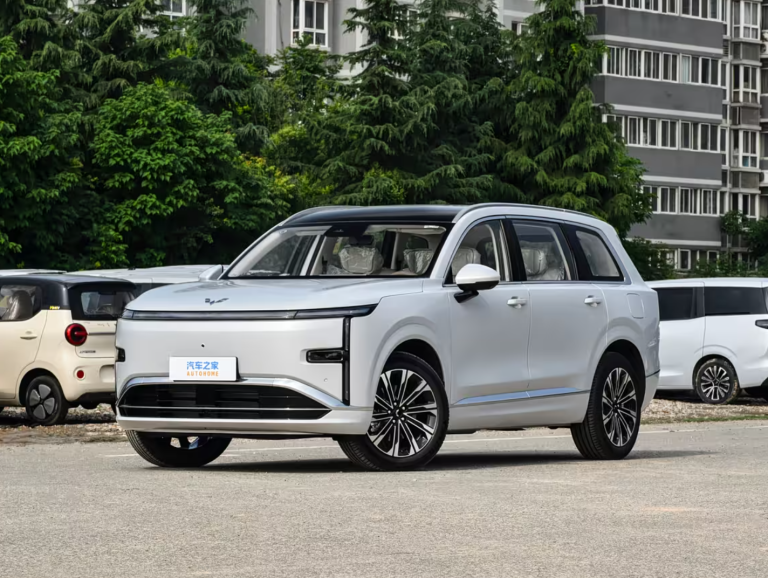
At the end of 2024, two Audi A-level dealerships—Beijing Huayang Autotong and Zhengzhou Zhongsheng Huidi—defected to the Aito brand, sending shockwaves through the industry. Huayang Autotong originally planned to discontinue Audi new vehicle sales while retaining after-sales services, but FAW-Audi directly revoked their authorization and issued warnings to other dealers.
Data shows that dealer satisfaction with OEMs in 2025 reached only 53.37 points, the lowest since statistics began in 2014. Over 90% of dealers express dissatisfaction with their brands, with luxury brands being the hardest hit. In Q1 this year, the number of Mercedes-Benz and BMW stores in Beijing decreased, while NIO and Xiaomi stores increased. One dealership investor revealed that current annual losses per store reach $41,400-$69,000, yet many are holding on.
BBA Faces Competitive Pressure from Chinese High-End EV Brands
The core anxiety for BBA is their eroding market share being captured by domestic high-end new energy brands, while they lack competitive EV products. Data from GaoGong Intelligent Automotive Research Institute shows that in China’s passenger vehicle market priced above $41,400 (300,000 yuan), domestic brand share surged from 24.9% in 2023 to 40.97% in 2025, with projections suggesting it will exceed 50% in 2026 for the first time.
In the April BBA new energy vehicle sales rankings, only two models—the BMW i3 and Audi Q4 e-tron—exceeded 1,000 units. Mercedes-Benz’s CLA Pure Electric accumulated less than 2,000 units in total sales.
New Electric Vehicle Launches Offer Glimmer of Hope
BBA is placing hopes on a new round of electrification offensive. Models including the BMW New Generation iX3, Mercedes-Benz pure electric GLC, and Audi E7X will launch consecutively this year and next. However, market performance remains uncertain as Chinese consumers increasingly favor domestic EV brands.
FAQ – Understanding the Luxury Car Market Transformation
Why are traditional luxury car dealers switching to new energy brands?
Dealers are abandoning traditional luxury brands due to mounting losses on new vehicle sales, reduced financial commissions, and the growing appeal of new energy brands among consumers. With dealer satisfaction at historic lows and annual losses per store reaching tens of thousands of dollars, many are seeking more profitable partnerships with EV brands.
How has domestic brand market share evolved in the high-end segment?
Domestic brands have dramatically increased their presence in the premium market segment. In the passenger vehicle market above $41,400, domestic brand share rose from 24.9% in 2023 to 40.97% in 2025, with projections indicating they will surpass 50% in 2026—marking the first time domestic brands would hold majority market share in this segment.
What new electric models are BBA brands launching?
BBA brands are preparing significant EV launches including the BMW New Generation iX3, Mercedes-Benz pure electric GLC, and Audi E7X. These models are expected to hit the market over the next two years as part of a major electrification push by traditional luxury brands.
How are Chinese consumers responding to BBA electric vehicles?
Chinese consumers have shown limited enthusiasm for BBA’s current EV offerings. Only the BMW i3 and Audi Q4 e-tron achieved sales exceeding 1,000 units in April, while the Mercedes-Benz CLA Pure Electric accumulated less than 2,000 total units, indicating significant challenges for traditional luxury brands in the EV market.
About the Author