Fuel Vehicle Sales Collapse 37% as New Energy Models Take Full Control of China’s Market
The domestic fuel vehicle market faces severe challenges in 2026, with sales continuing to decline sharply. According to data from the China Association of Automobile Manufacturers (CAAM), promotional intensity for fuel vehicles has remained stable at around 23% for nine consecutive months. However, in April, retail fuel vehicle sales reached only 530,000 units, representing a dramatic year-over-year decline of 37% and a month-over-month drop of 33%.
Major models such as the Audi A6L, Kia Sportage, and Changan Yidong Classic Edition experienced declines approaching 30%. The retail market remains sluggish despite aggressive discounting. Meanwhile, new energy vehicles have completely dominated the sales rankings, with fuel vehicles holding only one spot among the top ten best-sellers—the Geely Binyue.
Soaring Fuel Prices Accelerate the Shift to Electric Vehicles
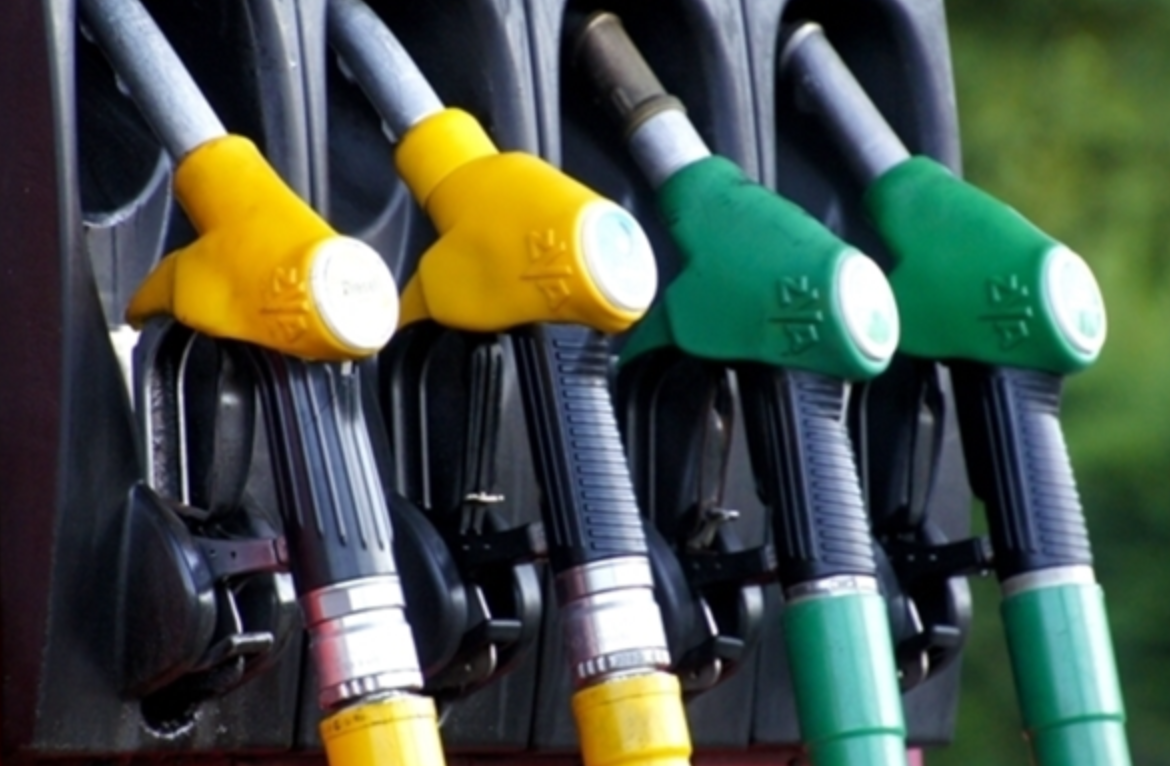
International oil prices have surged significantly, with domestic 92-octane and 95-octane gasoline prices rising by approximately $246 (1.7 yuan) and $248 (1.8 yuan) per liter respectively since the beginning of the year. For family car owners, filling a tank now costs nearly $138 more, making long-term operating costs substantially higher than those of new energy vehicles.
New Energy Vehicles Outperform in Technology and User Experience
New energy vehicles have achieved comprehensive superiority in range, charging infrastructure, intelligent driving, and cabin experience. Fast-charging blade batteries and ranges exceeding 600 kilometers have become mainstream features. In contrast, fuel vehicles remain constrained by their mechanical architecture and struggle to meet advanced intelligent driving requirements.
Traditional Automakers Pursue Two Rescue Strategies
Facing market collapse, traditional car manufacturers are attempting self-rescue through two pathways: “intelligent fuel vehicles” and hybrid electric vehicle (HEV) technology. Volkswagen has partnered with Huawei and Zhongrui to advance intelligent upgrades for fuel vehicles, while the BBA (BMW, Mercedes-Benz, Audi) collectively invests in intelligent driving companies. Domestic brands are focusing on hybrid technology, with products like the Geely i-HEV and Changan Blue Whale Super Efficient HEV entering the market.
Market Outlook and Future Predictions
Academician Ouyang Mingga predicts that by 2040, new energy passenger vehicles will account for over 85% of China’s auto market, with the ratio of pure electric to plug-in hybrids reaching 9:1. This forecast underscores the inevitable transition toward electrification in the world’s largest automotive market.
FAQ – Understanding the Auto Market Shift
Why are fuel vehicle sales declining so dramatically in China?
Multiple factors contribute to the sharp decline, including rising fuel prices that increase operating costs, the superior technology and user experience offered by new energy vehicles, and government policies that favor EV adoption. Additionally, promotional efforts by fuel vehicle brands have failed to reverse the trend despite nine consecutive months of approximately 23% discount rates.
How are traditional automakers responding to this market shift?
Traditional automakers are pursuing dual strategies: upgrading fuel vehicles with intelligent driving features through partnerships with tech companies, and developing hybrid electric vehicle technology to offer customers transitional solutions while the industry fully electrifies.
What is the future outlook for China’s automotive market?
Industry experts predict that new energy vehicles will dominate with over 85% market share by 2040. The market is transitioning from high-speed growth to a phase of steady growth, structural optimization, and pattern differentiation, with pure electric and plug-in hybrid ratios expected to reach 9:1.
What advantages do new energy vehicles offer over fuel vehicles?
New energy vehicles provide multiple advantages including lower operating costs due to cheaper electricity versus gasoline, extended range capabilities exceeding 600 kilometers, faster charging times with blade battery technology, and superior intelligent driving features that fuel vehicles cannot match due to their mechanical architecture limitations.
About the Author