Tesla Model S discontinued
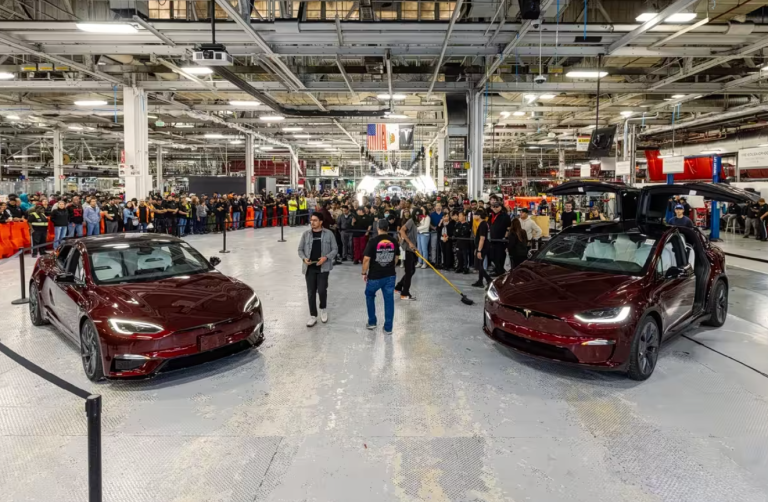
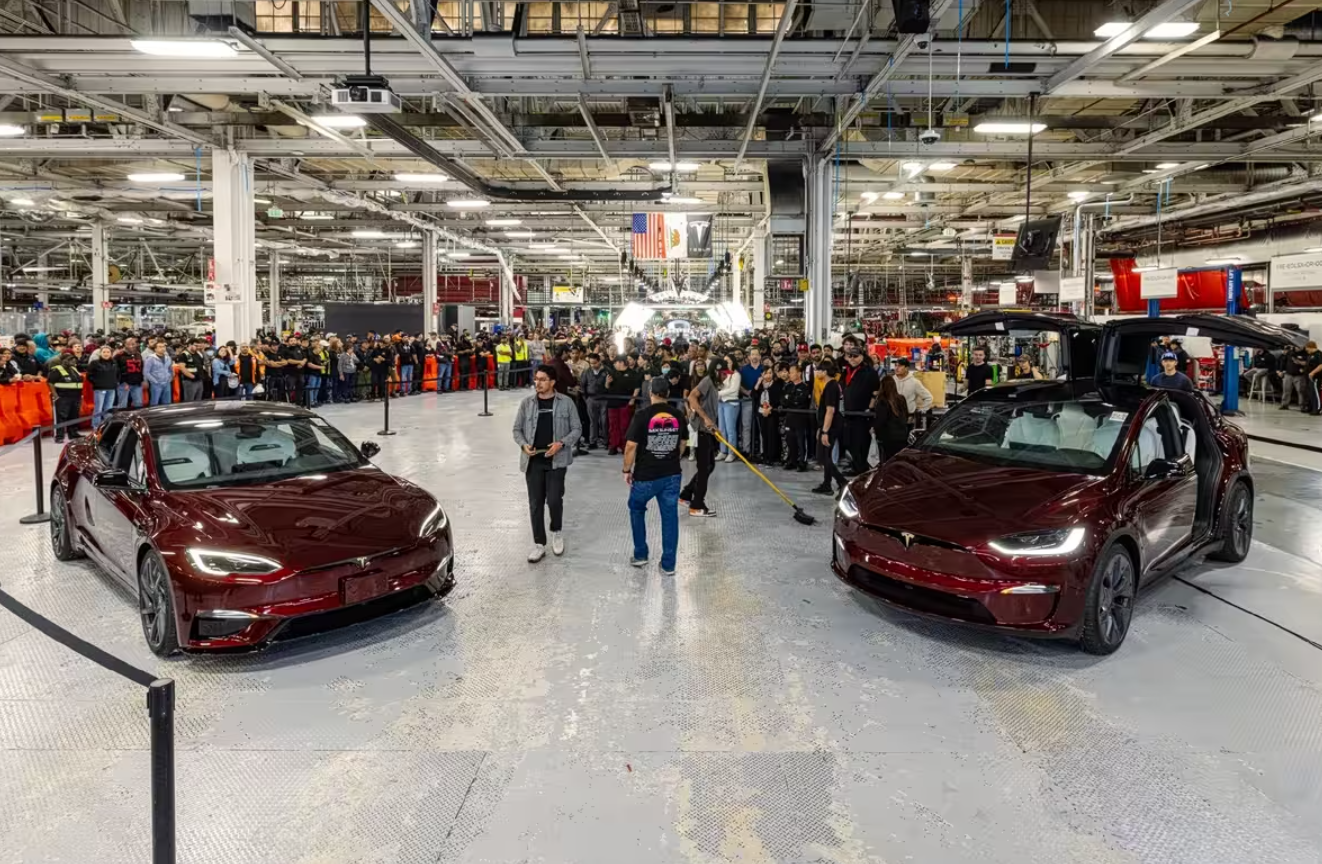
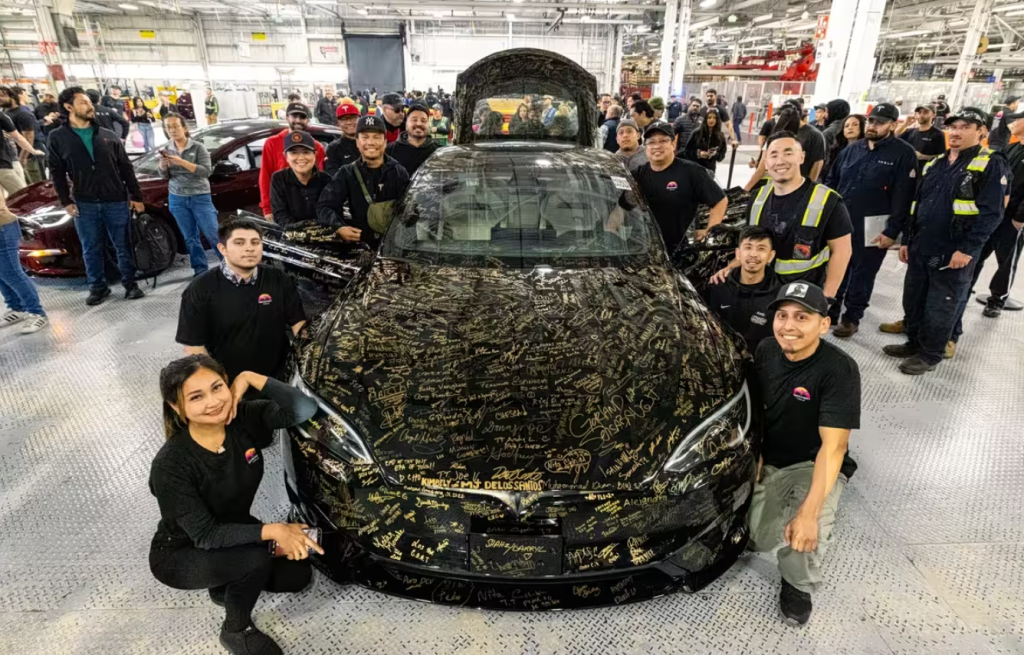
A historic chapter in the electric vehicle revolution has closed. The final units of the Tesla Model S and Tesla Model X have officially rolled off the assembly line at the Fremont factory.
First launched in 2012, the Model S was the vehicle that proved EVs could be sexy, fast, and luxurious. Following it in 2015, the Model X redefined the SUV with its iconic falcon-wing doors. Together, these flagship models transformed Tesla from a niche startup into a global household name, becoming the preferred ride for celebrities and tech icons worldwide.
From Luxury EVs to AI Robotics: The Fremont Pivot
The decision to discontinue the aging flagships is not just about sales—it’s about a strategic pivot toward Artificial Intelligence and Robotics.
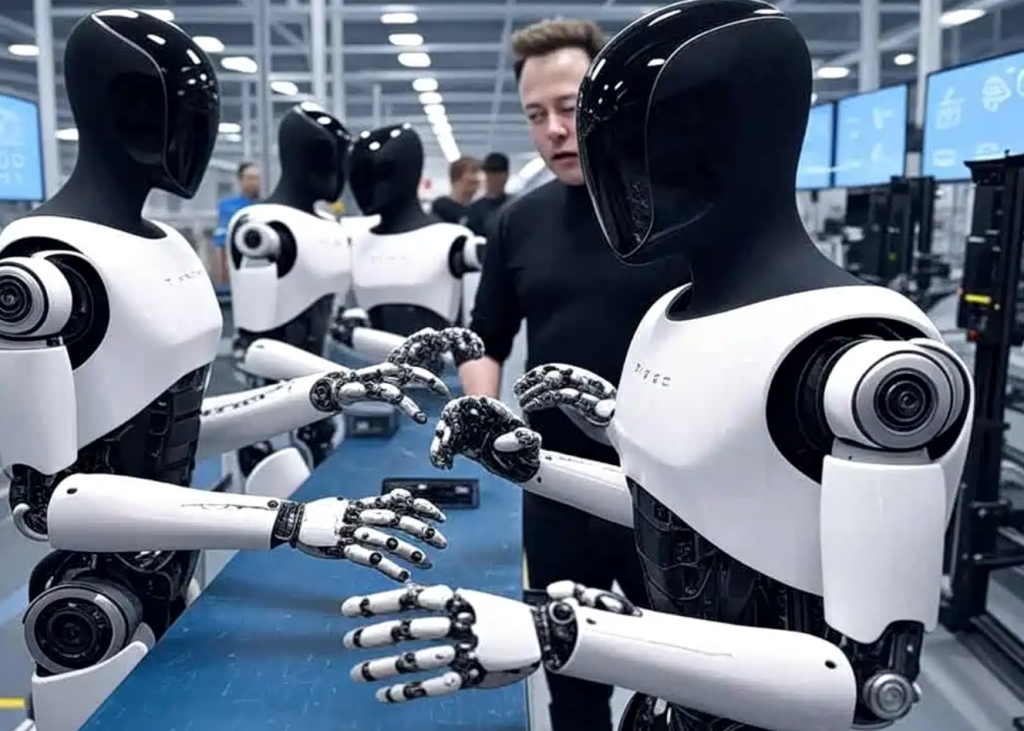
Tesla has confirmed that the production capacity previously reserved for the Model S and Model X will now be reallocated to Optimus (Gen-3), Tesla’s humanoid robot. Mass production is scheduled to begin in Q2 2026, with a staggering target capacity of 1 million units per year.
Real-World Implementation at Giga Shanghai
This transition is already being field-tested. Giga Shanghai has already deployed 50 Optimus Gen-3 units within its general assembly workshops. These robots are currently performing high-precision tasks, including:
- Seat installation and interior assembly.
- Logistics and component handling.
- Real-time quality inspections.
Meet Optimus Gen-3: The New Workforce
As Tesla’s first mass-produced humanoid robot, the Optimus Gen-3 is designed to fit seamlessly into human environments and industrial workflows.
Technical Specifications:
- Physical Stature: Stands 173cm (5’8″) tall and weighs 57kg (125 lbs).
- Strength: Maximum payload capacity of 20kg.
- Power Source: Driven by a specialized 2.3kWh 4680 battery pack.
- Endurance: 10 hours of continuous operation on a single charge.
- Rapid Charging: A 10-minute flash charge provides enough energy for a full day’s work.
- 24/7 Autonomy: Featuring autonomous docking/charging, the Gen-3 can operate around the clock without human intervention.
What Happens to Tesla’s Flagship Legacy?
The retirement of the Model S and Model X signals a fundamental shift in Elon Musk’s vision. While the Model 3 and Model Y remain the bread and butter of the automotive division, the move suggests that Tesla now views itself primarily as a robotics and AI company rather than a traditional car manufacturer.
Industry analysts suggest that by focusing on Optimus, Tesla aims to solve the global labor shortage while creating a new revenue stream that could eventually dwarf its automotive sales.
The Specs At-A-Glance: Optimus Gen-3
| Feature | Specification |
| Height / Weight | 173cm / 57kg |
| Max Payload | 20kg |
| Battery Tech | 2.3kWh 4680 Cells |
| Runtime | 10 Hours Continuous |
| Charging Speed | 10-min Fast Charge |
| Production Goal | 1,000,000 Units/Year |
Expert Analysis for Your Website
“The discontinuation of the S and X is bittersweet but logical. These cars taught the world to love EVs, but the future of Tesla lies in ‘labor-as-a-service.’ Optimus is the ultimate scaling machine, and the Fremont factory transition is the first step in a global industrial revolution.”
—IEVCHINA Editorial
About the Author