BYD price increase
The End of the Price War Era
After three years of relentless discounting that transformed China’s automotive market, a significant shift is occurring. More than 10 new energy vehicle manufacturers have announced price increases or reduced buyer incentives in Q2 2026—a coordinated move that may signal the end of China’s brutal EV price war.
The automotive industry’s average profit margin has fallen to 3.2% in Q1 2026, the lowest in nearly a decade, forcing manufacturers to prioritize sustainability over market share.
Major Price Increases: Who’s Raising Prices
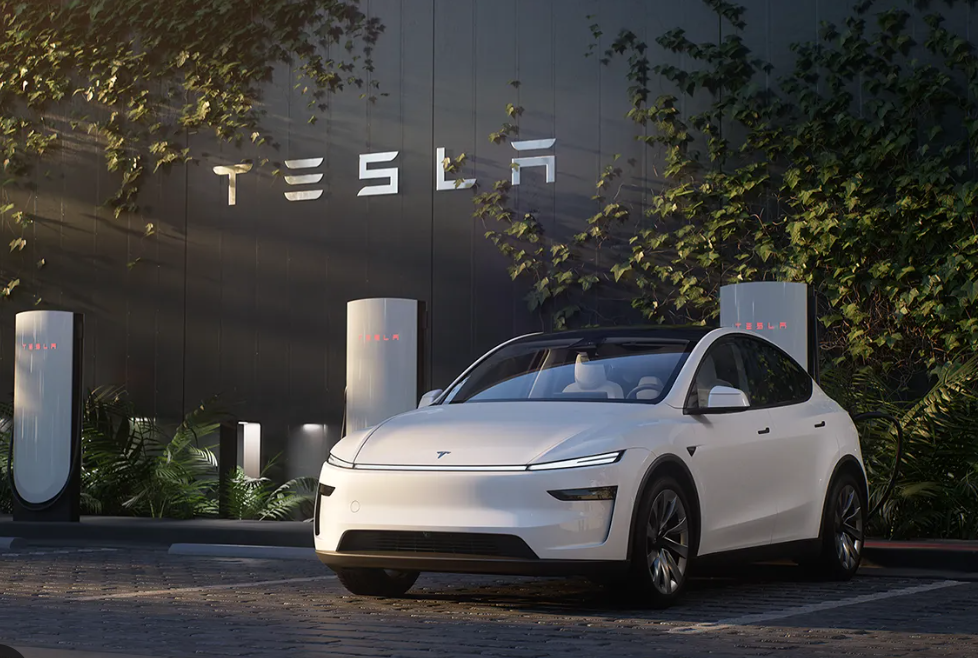
Tesla: Largest Increases
Tesla implemented the most significant adjustments:
- Model Y Long Range: +20,000 RMB ($2,760)
- Model Y Performance: +18,000 RMB ($2,480)
- Finance tightening: Interest-free financing terms reduced
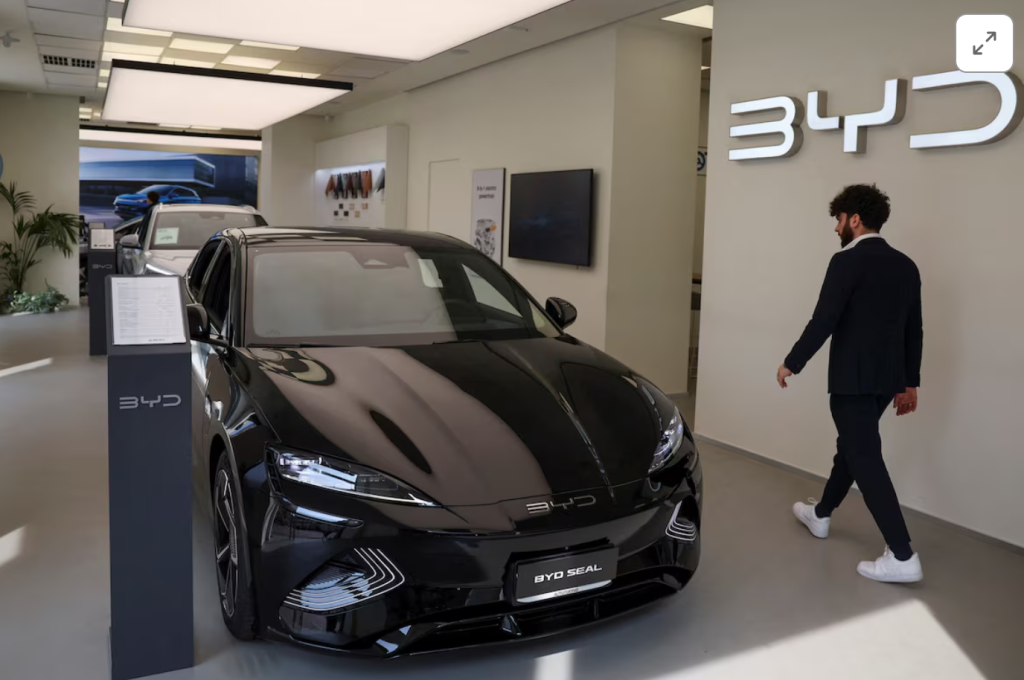
BYD: Smart Driving Package Hike
BYD raised prices on optional packages rather than base vehicles:
- “God’s Eye B” laser-assisted driving option: From 9,900 RMB to 12,000 RMB (+2,100 RMB)
- Effective date: May 1, 2026
- Scope: Selected Dynasty, Ocean, and Fang Cheng Bao models
Xiaomi: Full Line Increase
Xiaomi’s new-generation SU7 family saw uniform increases:
- All versions (Standard, Pro, Max) : +4,000 RMB ($550)
- Rationale: Supply chain cost pressures
- Context: SU7 launched in March 2026
Other Manufacturers Following
Changan Qiyuan/Nevo:
- Qiyuan Q07 Tianshu Intelligent Laser Edition: +3,000 RMB
- Reason cited: Global automotive-grade chip costs
GAC Aion:
- AION Y Younger: +3,000 to 6,000 RMB
- AION S Plus: Price adjustments across range
NIO and XPeng:
- Announced price increases planned for Q2
- Beijing NIO store: Popular 10,000 RMB discount may be canceled
ZEEKR and Avatr:
- Tightened interest-free financing policies
- Implicit cost increases without sticker price changes
Li Auto’s Contradictory Move
In an interesting development, Li Auto reduced the L9 Livis price by nearly 9%:
- Presale price: 559,800 RMB
- Launch price: 509,800 RMB
- Reason: Market competition and volume targets
This exception highlights ongoing competitive pressures despite the broader industry shift toward higher prices.
Root Causes: Why Prices Are Rising
Battery Material Costs Surge
The most significant driver is lithium carbonate pricing:
| Period | Price (RMB/ton) | Change |
|---|---|---|
| July 2025 | ~75,000 | Baseline |
| March 2026 | ~170,000 | +127% |
Impact: A typical 80 kWh EV battery now costs approximately 4,500 RMB more due to lithium alone.
Semiconductor Costs
Global AI computing demand is squeezing automotive chip supply:
- Automotive-grade DRAM: +180% in three months
- DDR5 memory: +300% increase
- Per-vehicle impact: 3,000-5,000 RMB cost increase
NIO founder William Li confirmed: “Storage chips alone add 3,000 to 5,000 RMB to high-end intelligent EV costs.”
Base Metal Prices
Copper and aluminum prices have also risen:
- Per-vehicle impact: ~1,800 RMB additional cost
- Demand drivers: Grid infrastructure, AI data centers
Overall Cost Impact
UBS analysis calculates that manufacturing a typical mid-size intelligent EV now costs 4,000-7,000 RMB more than previous estimates—a cost manufacturers cannot absorb indefinitely.
Consumer Behavior Shift
McKinsey Survey Findings
A McKinsey & Company survey reveals changing consumer psychology:
Price War Reception
- Positive view: 16.5% of recent buyers
- Negative view: 22.2% of recent buyers
- Net sentiment: -5.7% (more negative than positive)
The survey found that repeated discounting has created perverse incentives:
- Consumers expect further price drops
- Purchase decisions are being delayed
- Buying cycles are extending
Technology Over Price
Contrastingly, technology upgrades generate positive purchase intent:
- Net positive effect: +20.7% on purchase intentions
- Comparison: Nearly double 2025’s positive impact
McKinsey partner Thomas Fang observed: “Consumers are voting with their behavior. What drives purchase decisions now is higher value, not lower prices.”
Market Data: Subdued Domestic Demand
Despite aggressive discounting in Q1 2026:
| Metric | Q1 2026 Performance | Change |
|---|---|---|
| Premium brand discounts | 38,000 RMB average | 13.7% of sticker |
| Gasoline vehicle discounts | 37,000 RMB average | 14.3% of sticker |
| Passenger vehicle sales | — | -18.5% YoY |
| NEV retail sales | — | -17.2% YoY |
The data confirms that aggressive discounting has failed to stimulate domestic demand.
Investment Implications
EV Stock Performance
The price increase announcements triggered mixed stock market reactions:
- Li Auto: -14% (concerns about sustainability despite higher prices)
- BYD: -2.8%
- XPeng: -1.1%
Investors remain concerned about:
- Overcapacity in China’s EV sector
- Margin pressure despite higher prices
- Domestic demand weakness offsetting export strength
Industry Restructuring Ahead
Fund manager Dai Ming from Huichen Asset Management noted: “EV penetration in China is already pretty high, so it’s difficult to see continuing fast sales. While sales abroad are doing well, that addition is not enough to counter the decline in the domestic market. EV manufacturers will come under pressure this year in either sales or profitability.”
FAQ
Why are Chinese EV manufacturers raising prices?
Rising costs for battery materials (lithium carbonate up 127%), automotive semiconductors (DRAM up 180%), and base metals have squeezed profit margins to 3.2%—forcing manufacturers to increase prices.
How much has lithium carbonate price increased?
Lithium carbonate prices rose from ~75,000 RMB/ton in July 2025 to ~170,000 RMB/ton by March 2026, a 127% increase that significantly impacts battery costs.
What is Tesla’s Model Y price increase in China?
Tesla raised the Model Y Long Range by 20,000 RMB and the Model Y Performance by 18,000 RMB in May 2026, while also tightening financing terms.
How do consumers view the EV price war?
McKinsey survey found 22.2% of recent buyers view price wars negatively versus 16.5% positive, indicating discounting has become counterproductive.
Is China’s EV price war officially over?
While more than 10 manufacturers have raised prices or reduced incentives, Li Auto reduced L9 pricing—suggesting the transition from price competition to value competition is beginning but not yet complete.
About the Author