BYD
The “In Europe, For Europe” Revolution
BYD, the world’s largest electric vehicle manufacturer, has announced a transformative strategy that could reshape the European automotive landscape. Beginning in June 2026, BYD will launch a wave of models specifically designed, developed, and manufactured in Europe for European consumers—a fundamental shift from simply exporting Chinese-market vehicles to the continent.
Stella Li, BYD’s Executive Vice President, revealed the ambitious plan at a Financial Times event in London: “Our goal is for customers to think of BYD as a European brand.” This bold statement signals a new era where Chinese automotive expertise meets European consumer preferences.
First Launch: BYD Dolphin G PHEV
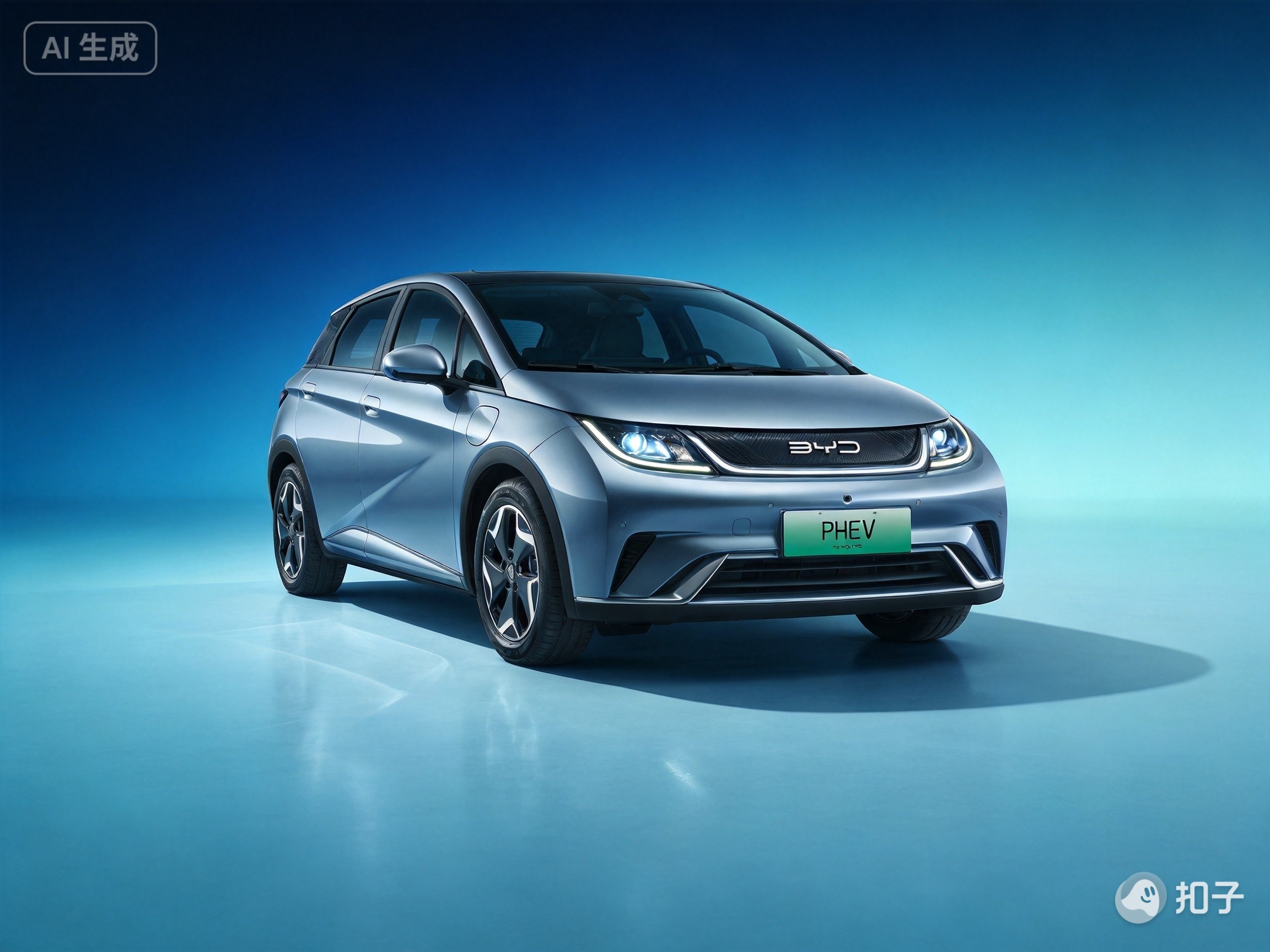
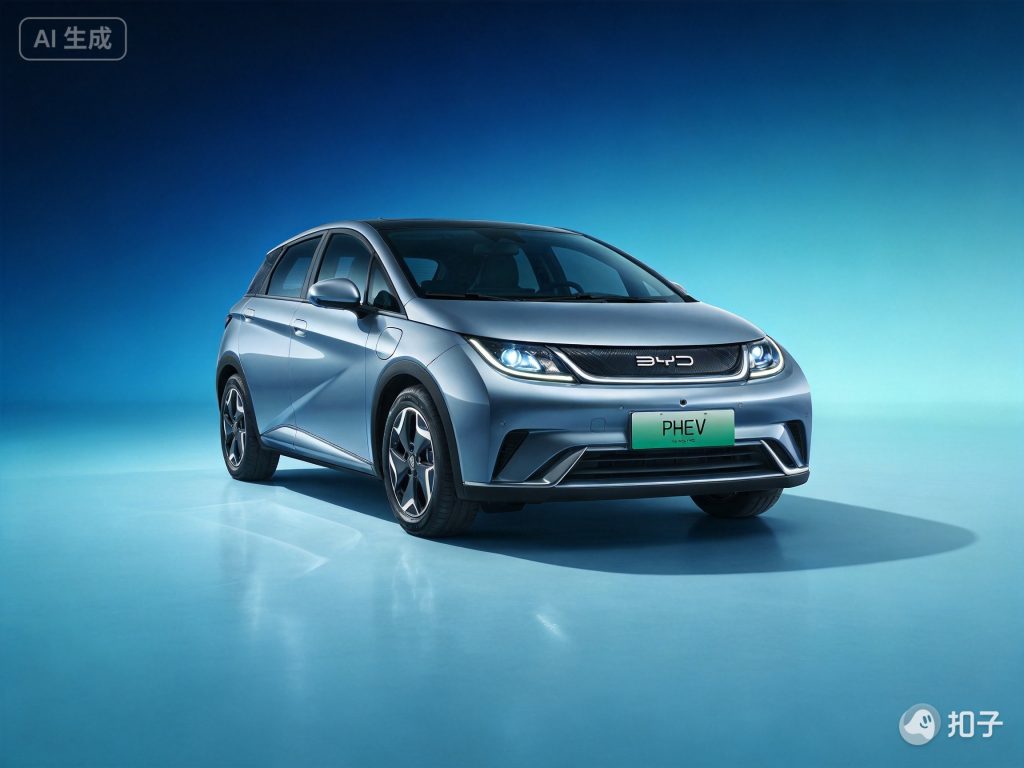
The first model in this European offensive will be the BYD Dolphin G, a plug-in hybrid supermini scheduled for unveiling in June 2026. The Dolphin G represents several strategic firsts:
- Smallest PHEV in the UK market: With a length strictly under 4.3 meters
- BYD’s first Europe-specific design: No China-market equivalent exists
- Combustion-engine alternative to the electric-only Dolphin Surf
The Dolphin G will make its public debut at the Goodwood Festival of Speed in July 2026, showcasing its 90km pure electric range and impressive 1,000+ km combined range via BYD’s 5th-generation DM-i hybrid system.
European Design Philosophy: Smaller Isn’t Just Better—It’s Essential
During her London presentation, Stella Li emphasized the critical differences between Chinese and European market requirements:
“In China, the competition is making cars bigger and bigger and the chassis wider and wider; it has become crazy. This makes it impossible in Europe: you cannot have a bigger car running in Paris, in Milan, in Rome, in London.”
This insight has led BYD to implement a clear product split between Chinese and European lineups. B-segment and C-segment vehicles will now follow European standards—requiring engineers to actively resist upsizing trends that dominate the Chinese market.
Hungary Factory: Manufacturing Foundation
BYD’s European ambitions are underpinned by its state-of-the-art manufacturing facility in Szeged, Hungary. The plant, scheduled to begin production by late 2025, will produce:
- Initial capacity: 100,000 units annually
- Future expansion: Up to 300,000 units
- Local production: Dolphin Surf, Atto 2, and upcoming European-exclusive models
This strategic investment directly addresses the European Union’s recent tariff implementations. By manufacturing vehicles within Europe, BYD can circumvent trade barriers while creating local employment and supplier relationships.
Beyond Dolphin: A Full-Spectrum European Lineup
BYD’s three-year roadmap includes at least five European-exclusive models spanning multiple segments:
- B-segment PHEVs and BEVs: Compact urban mobility solutions
- C-segment vehicles: Family-focused sedans and hatchbacks
- Travel version models: Estate/wagon variants for European practicality
- Compact SUVs: Meeting the continent’s strong crossover demand
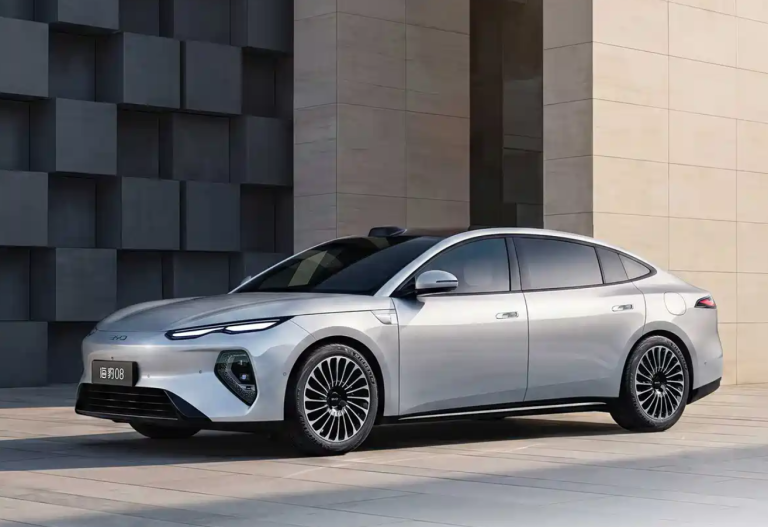
- Denza luxury lineup: Including the Z9 GT shooting brake for premium positioning
Market Context: BYD Outpacing Tesla in Europe
The timing of BYD’s Europe-first strategy coincides with remarkable sales momentum. In April 2025, BYD sold over 11,000 units across 14 European countries—nearly double Tesla’s 6,253 units in the same markets.
This performance demonstrates that European consumers are increasingly receptive to Chinese electric vehicles, provided they meet local expectations for design, build quality, and driving dynamics.
FAQ
When will BYD’s first Europe-designed vehicle launch?
The BYD Dolphin G plug-in hybrid will be unveiled in June 2026 and officially debut at Goodwood Festival of Speed in July 2026.
Where will BYD manufacture its European vehicles?
BYD’s primary European manufacturing hub will be the Szeged, Hungary factory, with initial capacity of 100,000 units, expandable to 300,000.
How many European-exclusive BYD models are planned?
BYD has committed to launching at least five European-exclusive models by 2029, covering B-segment and C-segment vehicles across multiple body styles.
Why is BYD changing its European strategy?
The shift responds to European consumer preferences for smaller vehicles, EU tariff policies on imported Chinese vehicles, and the desire to be perceived as a “European brand” rather than a foreign importer.
Will BYD’s European models differ from Chinese models?
Yes. BYD is implementing a clear product split where European models follow European standards—smaller footprints, specific design requirements, and locally optimized specifications.
Internal Link Suggestions:
- [Link to China EV Export Data article]
- [Link to EU Tariffs Impact article]
About the Author