Chinese EV station wagons
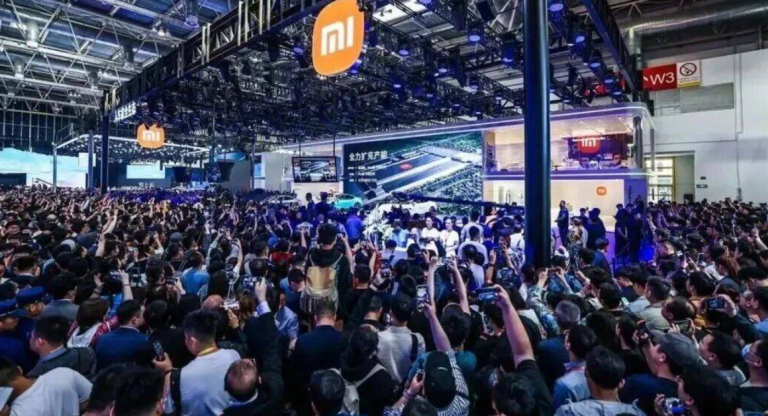
Walking through the halls of the 2026 Beijing International Auto Show, a new silhouette dominates every major Chinese brand’s booth: the sleek, elongated lines of the Station Wagon and Shooting Brake.
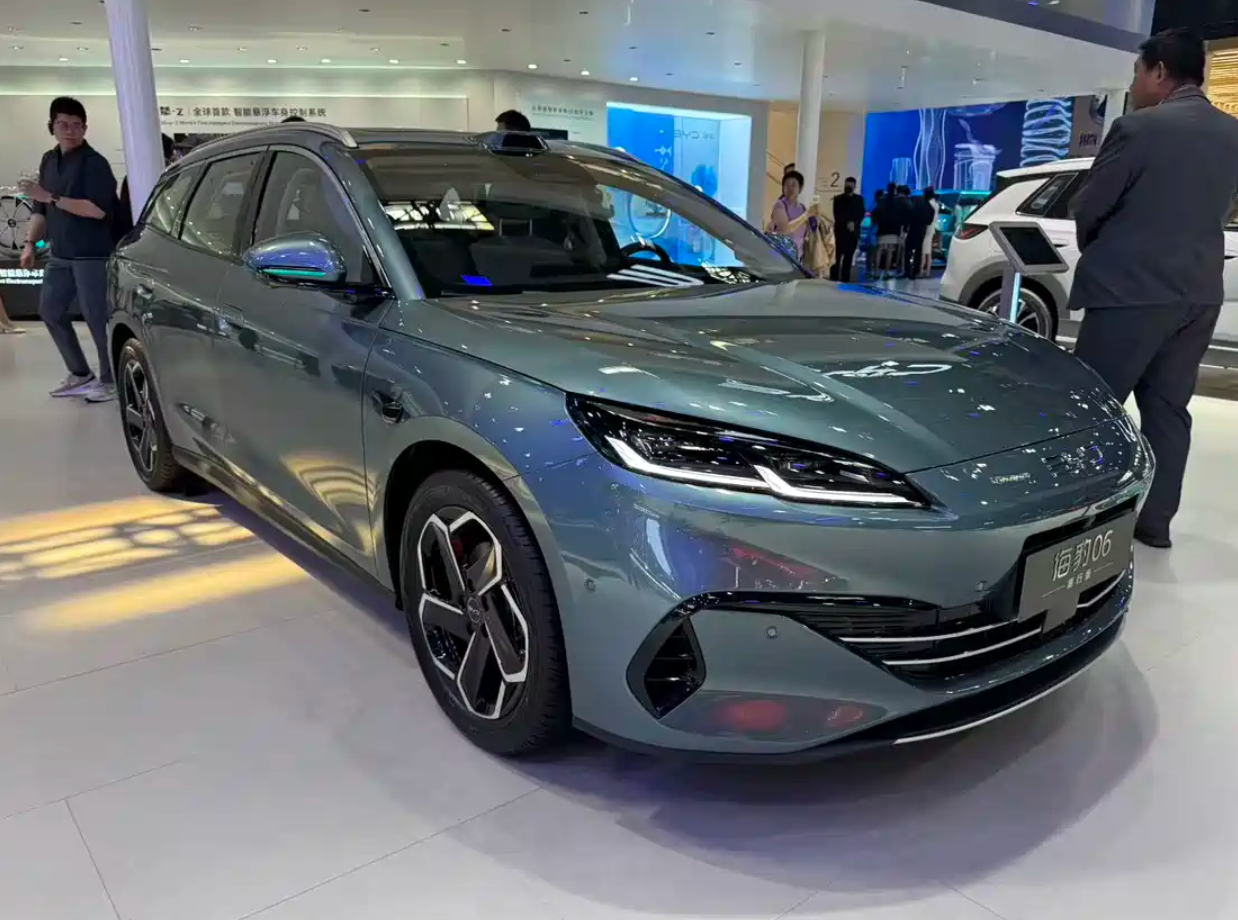
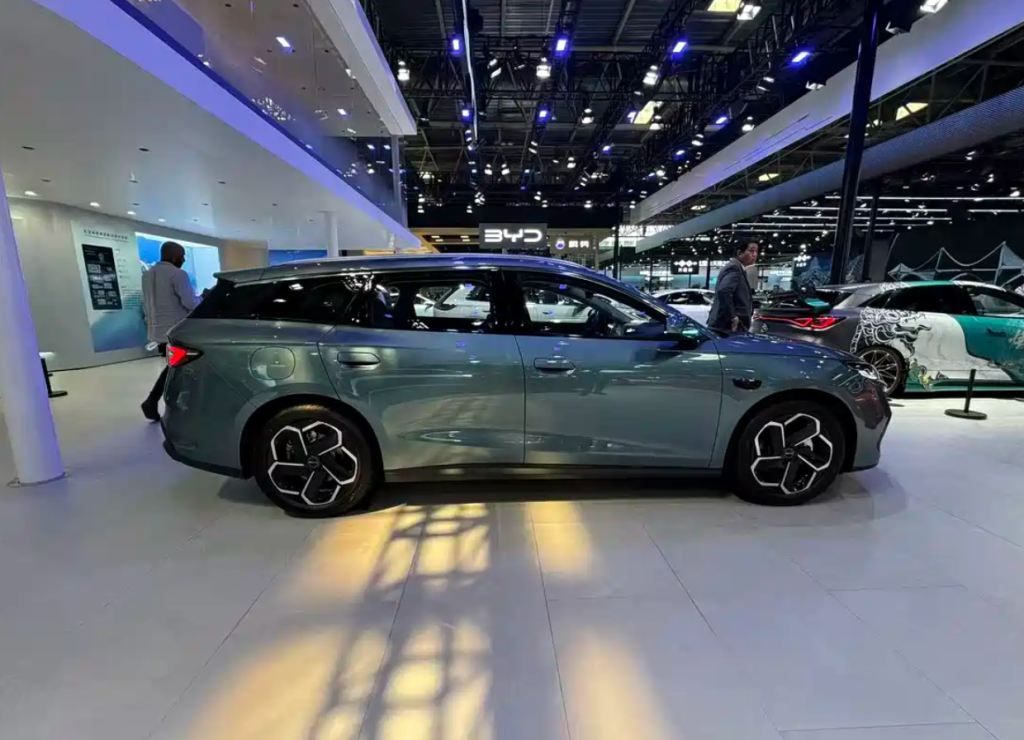
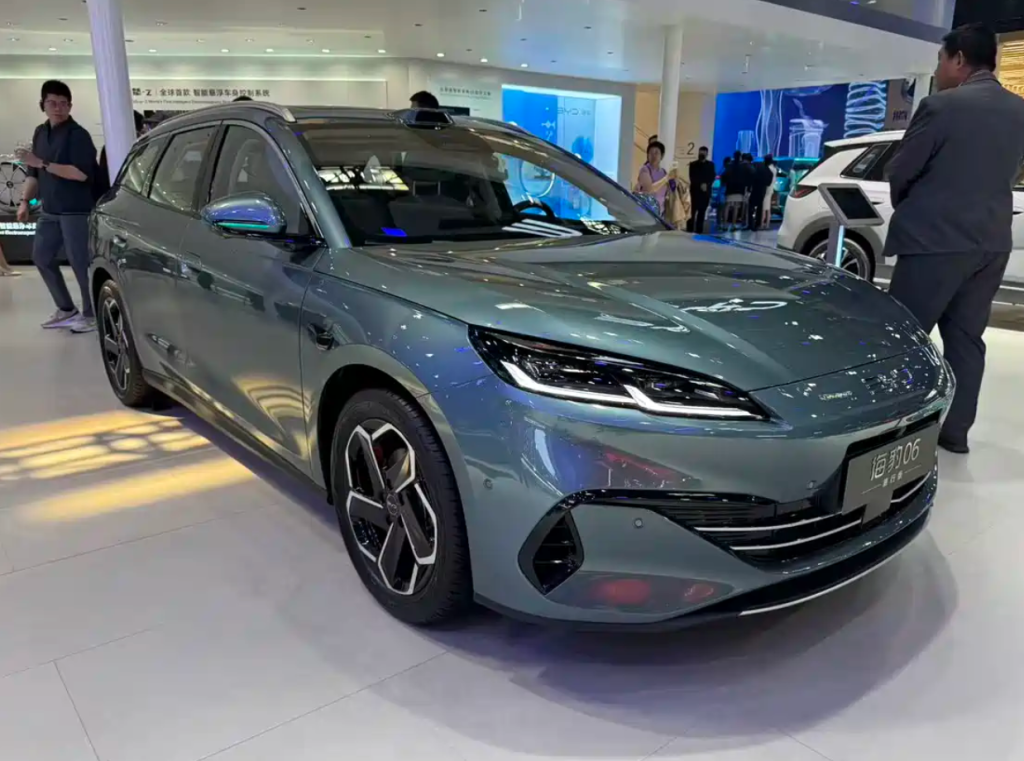
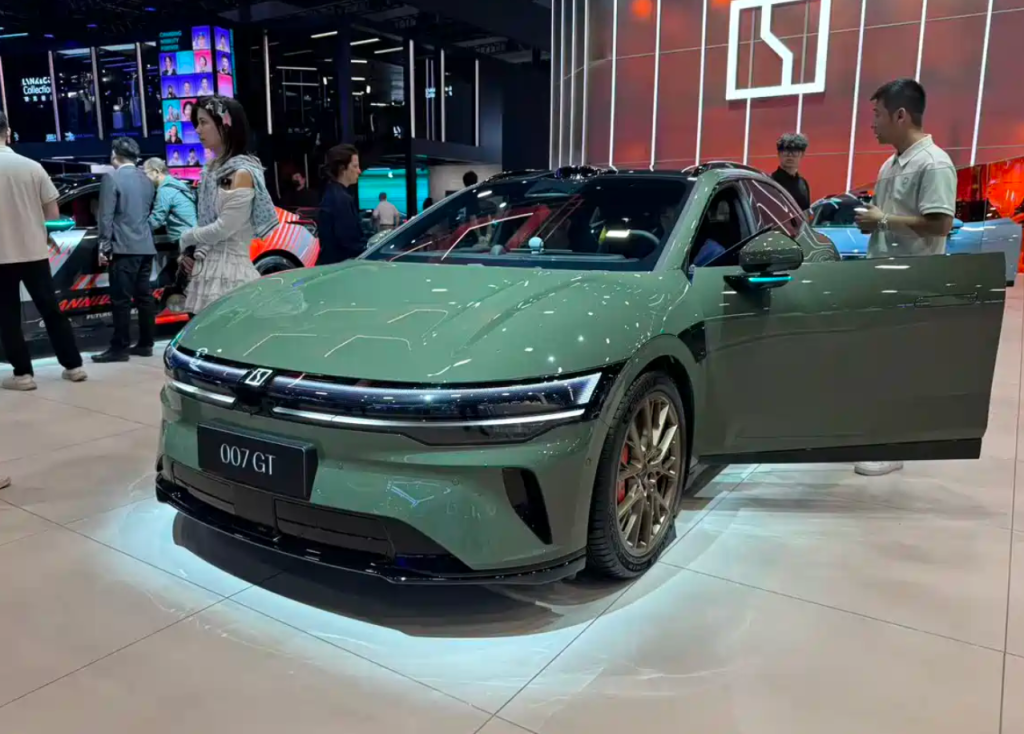
Once dismissed as niche “toys for the wealthy,” wagons are now the hottest segment in the Chinese NEV (New Energy Vehicle) market. From the budget-friendly BYD Seal 06 DM-i Touring to the high-performance Zeekr 007GT, the “Wagon” has officially gone mainstream.
1. Shooting Brake vs. Estate: What’s the Difference?
In the Chinese market, the terms are often used interchangeably, but historically, there is a clear distinction:
- Shooting Brake: Originating from 19th-century British hunting carriages, these are typically based on 2-door sports cars. They prioritize Aesthetics over Utility. (e.g., the classic Aston Martin Vanquish Zagato Shooting Brake).
- Station Wagon (Estate): Originating from US train station shuttles, these are based on 4-door sedans. They prioritize Utility over Aesthetics, offering maximum cargo volume. (e.g., the legendary VW Santana Variant).
The “Chinese Definition”: Brands like Zeekr and NIO have blurred these lines. The Zeekr 001 marketed itself as a “Shooting Brake” despite being a native 4-door EV. Today, the market cares less about definitions and more about the “Cool Factor” combined with practicality.
2. Why Did EVs Finally “Save” the Wagon in China?
In the ICE (Internal Combustion Engine) era, wagons failed in China due to high R&D costs and competition from SUVs. The EV revolution changed the math overnight:
A. The “Skateboard” Platform Advantage
Without bulky engines and transmission tunnels, EV platforms offer a flat floor. This allows designers to extend the roofline into a wagon shape with minimal extra cost. It also creates massive under-floor and “frunk” (front trunk) storage that gas cars simply can’t match.
B. The Aerodynamic Edge (Range Efficiency)
In the EV world, Aerodynamics = Range.
- SUVs: Boxy shapes usually have a drag coefficient ($C_d$) above 0.35.
- Wagons/Shooting Brakes: Their sleek profiles can achieve $C_d$ ratings of 0.22 – 0.25.For every 0.01 reduction in $C_d$, an EV can gain roughly 8km of range. Wagons offer SUV-like space with Sedan-like range efficiency.
C. Superior Handling
By keeping a low center of gravity (thanks to floor-mounted batteries) and a long wheelbase, electric wagons like the NIO ET5T offer sports-car handling that top-heavy SUVs can’t replicate.
3. The Market Shift: From Niche to Mainstream
The data doesn’t lie. By 2025, the sales of wagons/shooting brakes in China exceeded 148,000 units, with a growth rate far outpacing the general market.
The Price Tiers of 2026:
- Entry-Level (¥100k – ¥150k): Led by the BYD Seal 06 DM-i Touring. It offers 1,300km of combined range and brings the wagon lifestyle to the masses.
- Mainstream Luxury (¥200k – ¥350k): The most competitive zone. The NIO ET5T is the star here, outselling its sedan counterpart 3-to-1. Meanwhile, the Zeekr 007GT and Avatr 06T offer 800V fast charging and Huawei-powered smart cockpits.
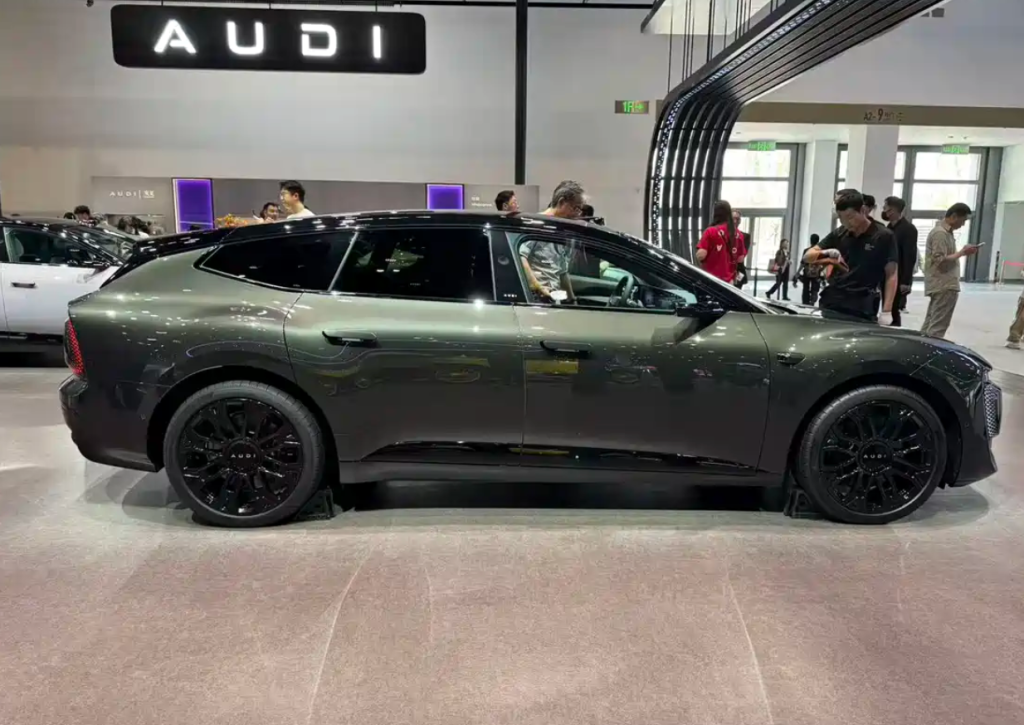
- High-End Performance (¥400k+): While Audi and BMW still hold prestige with the RS6 or M3 Touring, Chinese alternatives like the Audi E5 Sportback (a 700hp joint venture product) are offering “RS” performance at a fraction of the price.
Summary: The Third Pillar of the Market
We are witnessing a fundamental shift. The electric wagon is no longer just a “sentimental” choice; it is a logical one. It offers the cargo space of an SUV, the efficiency of a sedan, and a unique aesthetic that appeals to the new generation of Chinese car buyers.
As we look toward 2028, industry experts predict wagons will become the third major pillar of the Chinese passenger car market, following SUVs and Sedans. The “Wagon Spring” has finally arrived.
About the Author