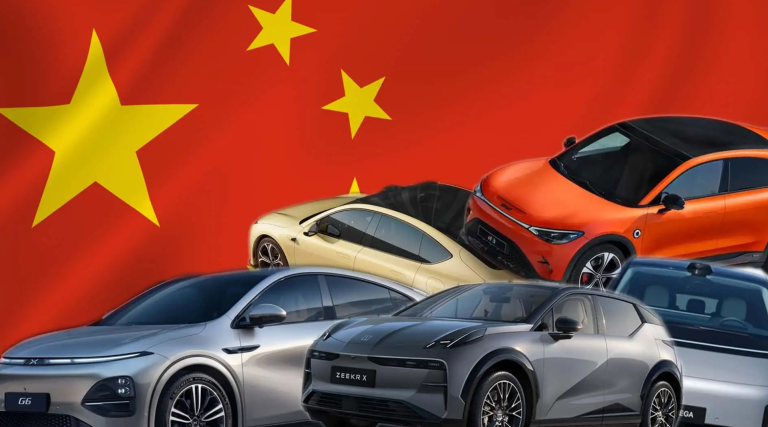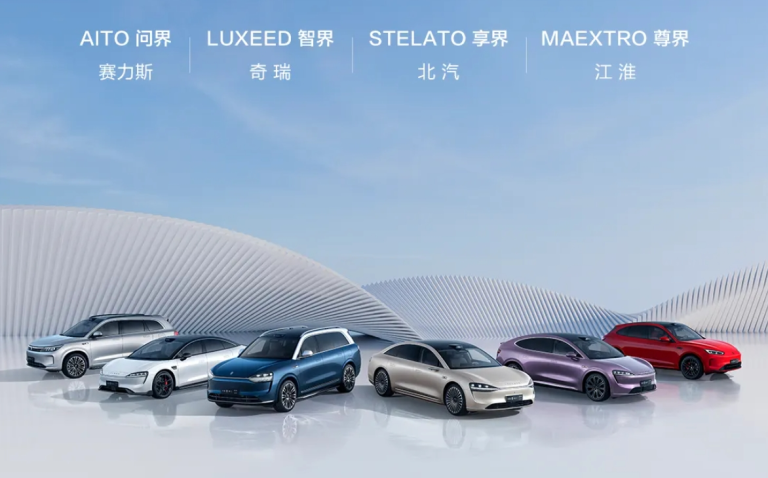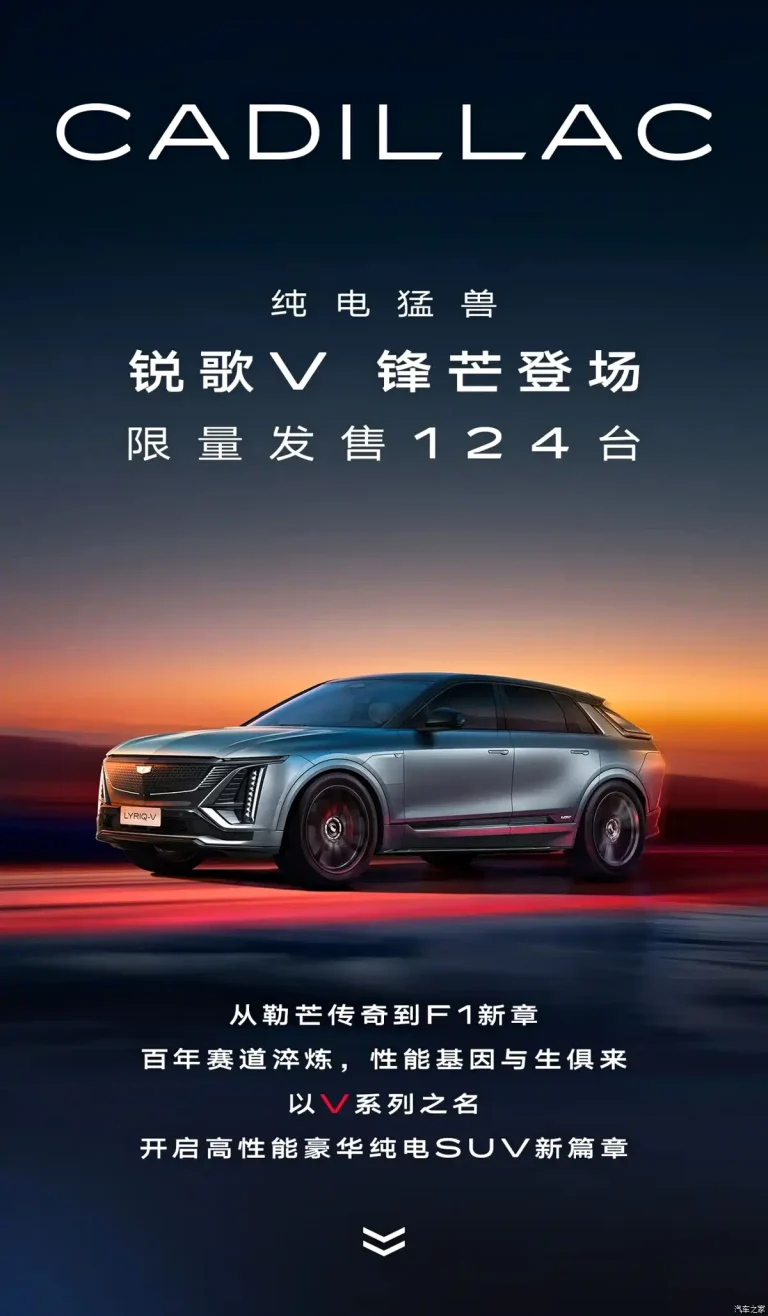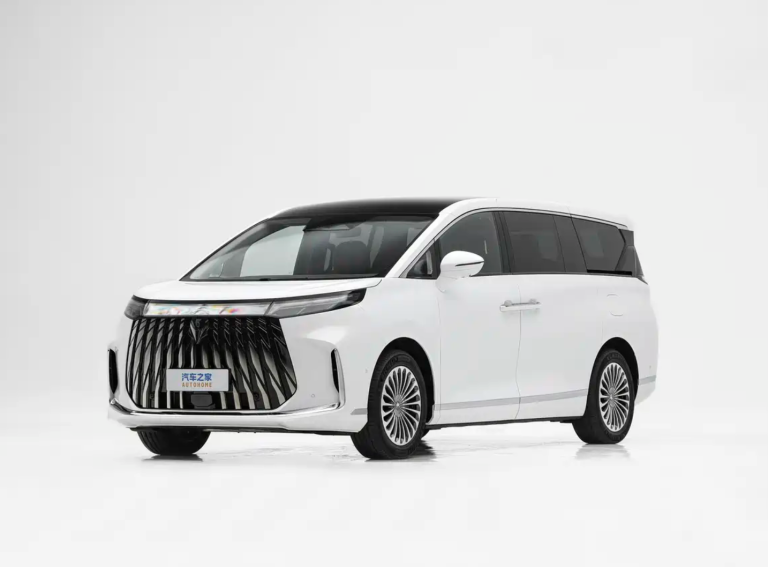
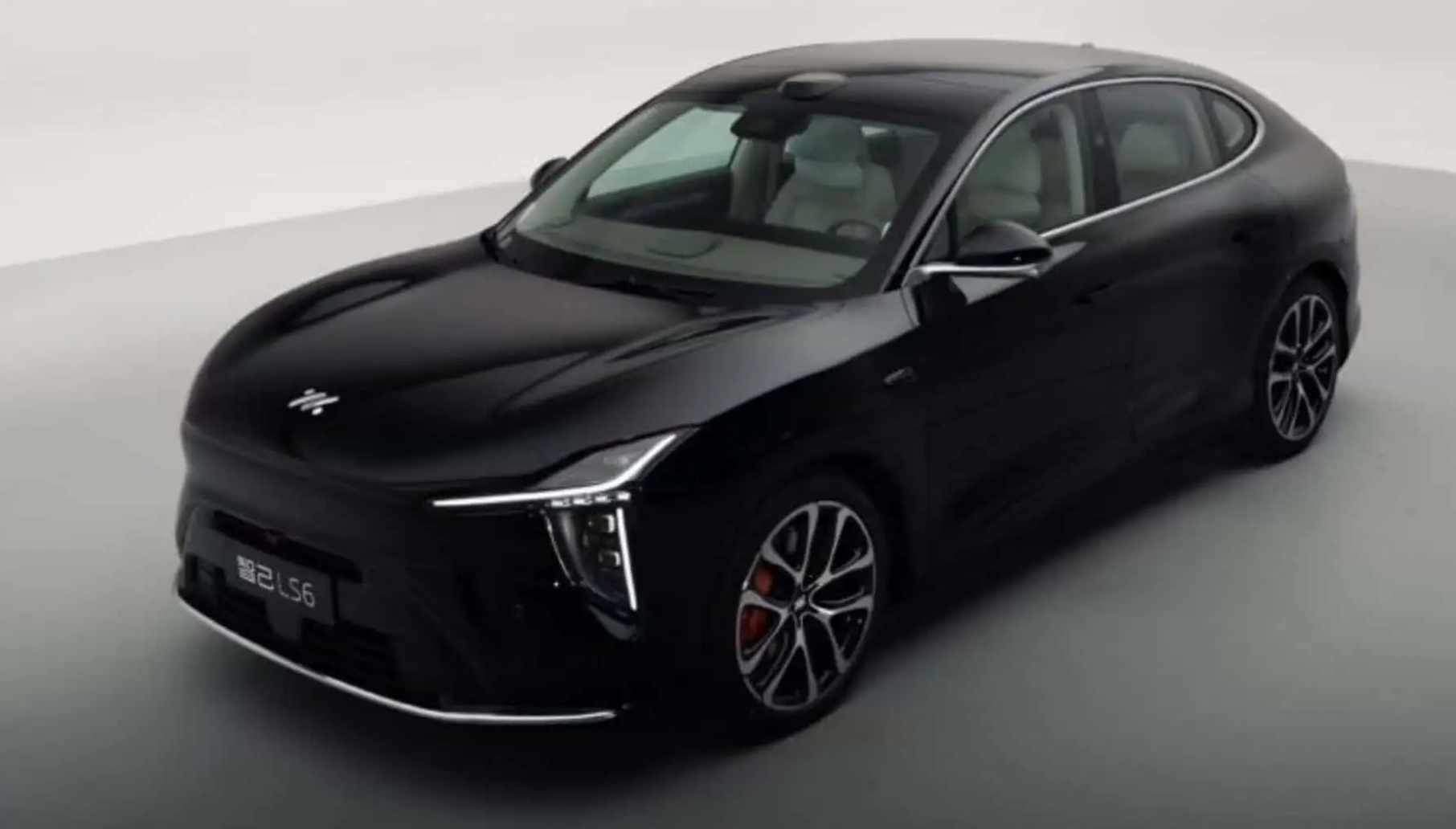
In 2026, the battle for China’s new-energy vehicle market is no longer between gasoline and electric — it is between pure EV (BEV) and range-extended electric vehicles (EREV). And right now, the EREV is winning. Brands like Li Auto, AITO, Leapmotor, and increasingly Xpeng are placing massive bets on the range-extended formula, while pure-EV stalwarts like NIO and Tesla defend their position. Here is a deep analysis of why EREV models are outselling pure EVs in China’s most important price segments — and what it means for the global EV transition.
Why the EREV vs Pure EV Debate Matters in 2026
China is the world’s largest and most advanced EV market. When Chinese consumers shift their preference from pure EV to EREV, the ripple effects reach battery suppliers, charging-infrastructure planners, and automakers worldwide. The EREV vs pure EV question is not just a technical curiosity — it determines which companies win volume, which battery chemistries get invested in, and how fast the world’s largest auto market can move away from fossil fuels entirely.
What Is an EREV and How Does It Differ from a PHEV?
- EREV (Extended-Range Electric Vehicle): Driven exclusively by an electric motor. A small combustion engine acts solely as a generator to recharge the battery — it never drives the wheels directly. Daily driving is 100% electric; the engine only fires on long trips when the battery depletes.
- PHEV (Plug-in Hybrid Electric Vehicle): Both the electric motor and the combustion engine can drive the wheels directly. The engine mechanically couples to the drivetrain, making a PHEV fundamentally a hybrid with a larger battery.
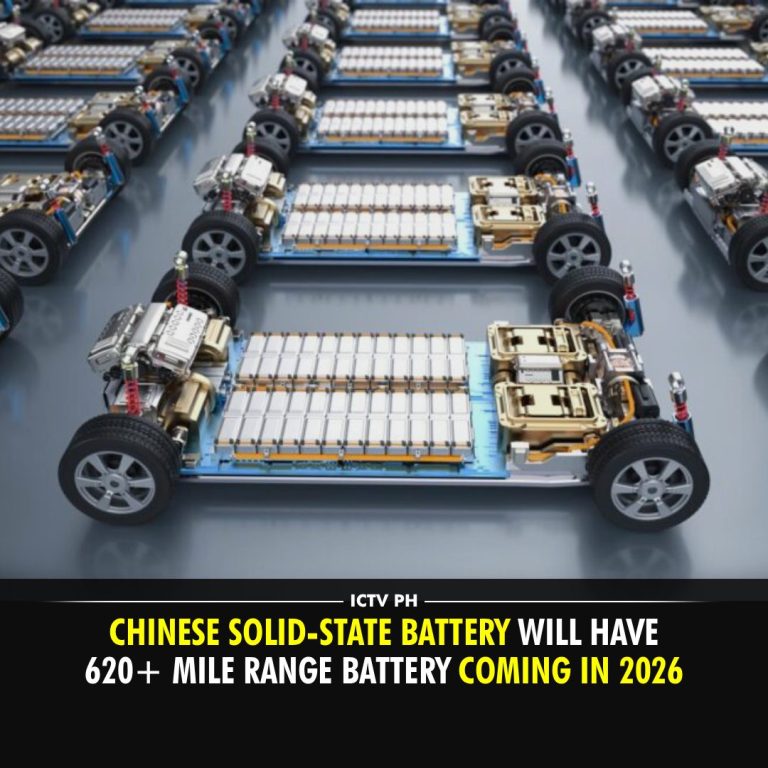
- BEV (Battery Electric Vehicle): Pure electric — no combustion engine at all. Relies entirely on battery capacity and charging infrastructure.
The key distinction: an EREV feels like a pure EV to drive at all times, while a PHEV can feel like a gas car when the engine engages. That experiential consistency is a major reason Chinese consumers prefer EREVs over PHEVs.
EREV Sales Growth in China: The Numbers
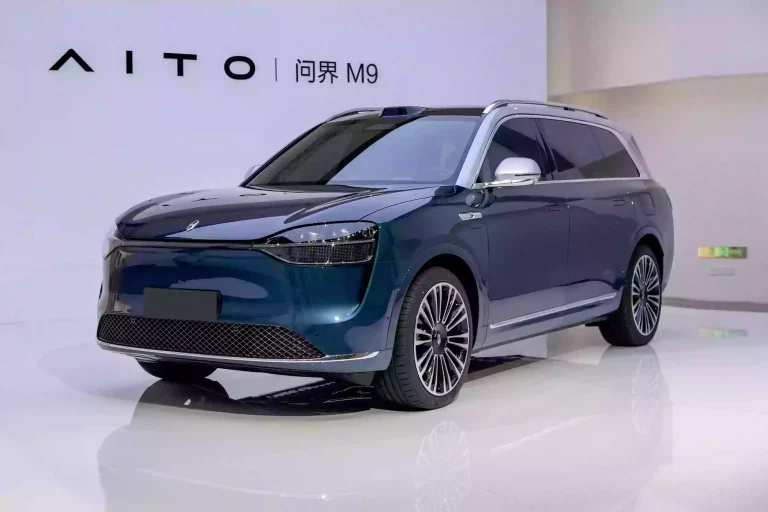
In the RMB 150,000–400,000 price band — which represents the largest volume segment of China’s passenger-car market — EREV models now account for an estimated 30%+ of all NEV sales in 2026, up from roughly 15% in 2023. Li Auto alone delivered over 40,000 EREV units per month throughout early 2026. AITO’s M7 and M9, both EREV, are among China’s top-10-selling NEVs. Leapmotor’s C-series EREV lineup has propelled the brand into the top-10 NEV makers by volume. Even Xpeng, historically a pure-EV brand, has launched the MONA L03 with an EREV variant — a tacit admission that pure EV alone cannot capture the full Chinese market.
Why Chinese Buyers Choose EREV Over Pure EV
- Range anxiety elimination: China’s public fast-charging network, while growing rapidly in tier-1 cities, remains inconsistent in tier-2, tier-3, and rural areas. EREVs eliminate the fear of being stranded.
- Holiday travel: Chinese Spring Festival and National Day holidays see massive intercity migration. Charging queues on highways during peak travel periods are notorious. EREV owners simply refuel with gasoline and skip the wait.
- Lower battery cost: EREVs require smaller batteries (typically 30–45 kWh) compared to pure EVs (60–100+ kWh) for equivalent real-world usability, reducing vehicle cost.
- Consistent electric driving experience: Unlike PHEVs, EREVs deliver pure-EV smoothness and silence at all times, even when the range extender is running.
- Resale confidence: Used-car buyers in China still discount pure EVs heavily due to battery degradation concerns. EREVs retain value better because the range extender provides a fallback.
Where Pure EV Still Wins
Despite the EREV surge, pure EV retains clear advantages in several areas. Operating costs are lower for pure EVs (electricity is cheaper than gasoline). Pure EVs have simpler drivetrains with fewer moving parts, reducing long-term maintenance. In tier-1 cities with dense charging networks — Shanghai, Beijing, Shenzhen, Guangzhou — pure EV ownership is now seamless for most daily-use scenarios. And for brands positioning themselves as technology leaders (NIO, Tesla, Zeekr), pure EV remains a credibility marker — a signal of commitment to the full-electric future.
The Global Implications of China’s EREV Preference
China’s EREV boom has implications far beyond its borders. As Chinese automakers expand into Southeast Asia, the Middle East, and Latin America — markets with charging infrastructure even less developed than China’s tier-3 cities — EREV models become a natural export product. Li Auto, AITO, and Leapmotor are all evaluating EREV exports to markets where pure EV adoption is still years away. In Europe and the United States, where regulatory frameworks were designed around a binary ICE/EV distinction, the rise of EREV creates policy complexity: should EREVs receive the same incentives as pure EVs, or should they be classified alongside PHEVs? China’s experience suggests that EREVs deserve their own category — one that acknowledges their fully electric driving experience while recognizing the practical benefits of the range extender.
Frequently Asked Questions About EREV vs Pure EV in China
Is EREV better than pure EV in China?
For most Chinese buyers outside tier-1 cities, EREV offers a better balance of electric driving experience and practical flexibility. Pure EV is superior in cities with mature charging infrastructure and for owners who can charge at home nightly.
Why is Li Auto so successful with EREVs?
Li Auto built its entire brand around the EREV powertrain, targeting family SUV buyers who want electric driving for daily commutes but need gasoline range for holiday road trips. The strategy perfectly matched Chinese consumer behavior.
Will EREVs slow China’s transition to full electrification?
Paradoxically, no. EREVs are accelerating the transition by bringing combustion-engine loyalists into the electric ecosystem. Most EREV owners report driving 80–90% of their kilometers on electricity, meaning the range extender is rarely used.
Which Chinese brands sell EREVs?
Major EREV brands in China include Li Auto, AITO (Huawei HIMA), Leapmotor, Deepal (Changan), and increasingly Xpeng (MONA L03 EREV). BYD’s DM-i PHEV system occupies a similar market position.
Do EREVs qualify for China’s NEV incentives?
Yes. In China’s regulatory framework, EREVs are classified as new-energy vehicles and qualify for license-plate privileges in restricted cities, purchase-tax exemptions, and other NEV incentives — a key advantage over conventional ICE vehicles.
Editor’s note from Han Liu: The EREV surge is the most misunderstood trend in the global EV industry. Western observers often dismiss it as a “half-measure” — but they’re missing the point. In a market where 800 million people live in cities without reliable fast-charging, EREV isn’t a compromise. It’s the most pragmatic path to mass electrification. The brands that understand this will win China. The brands that don’t will keep wondering why their pure-EV models aren’t selling in Chengdu.
Reviewed by Han Liu, Editor, iEVChina.
About the Author