Overall Infrastructure Growth
China’s electric vehicle charging infrastructure has reached a new milestone, with the National Energy Administration reporting a total of 21.955 million charging facilities across the country as of April 2026. This represents a remarkable year-over-year increase of 47.4%, demonstrating the accelerating pace of infrastructure development to support the world’s largest electric vehicle market.
This growth trajectory aligns with China’s ambitious goals for new energy vehicle adoption and reflects substantial investments from both government and private sector stakeholders.
Public Charging Network Expansion
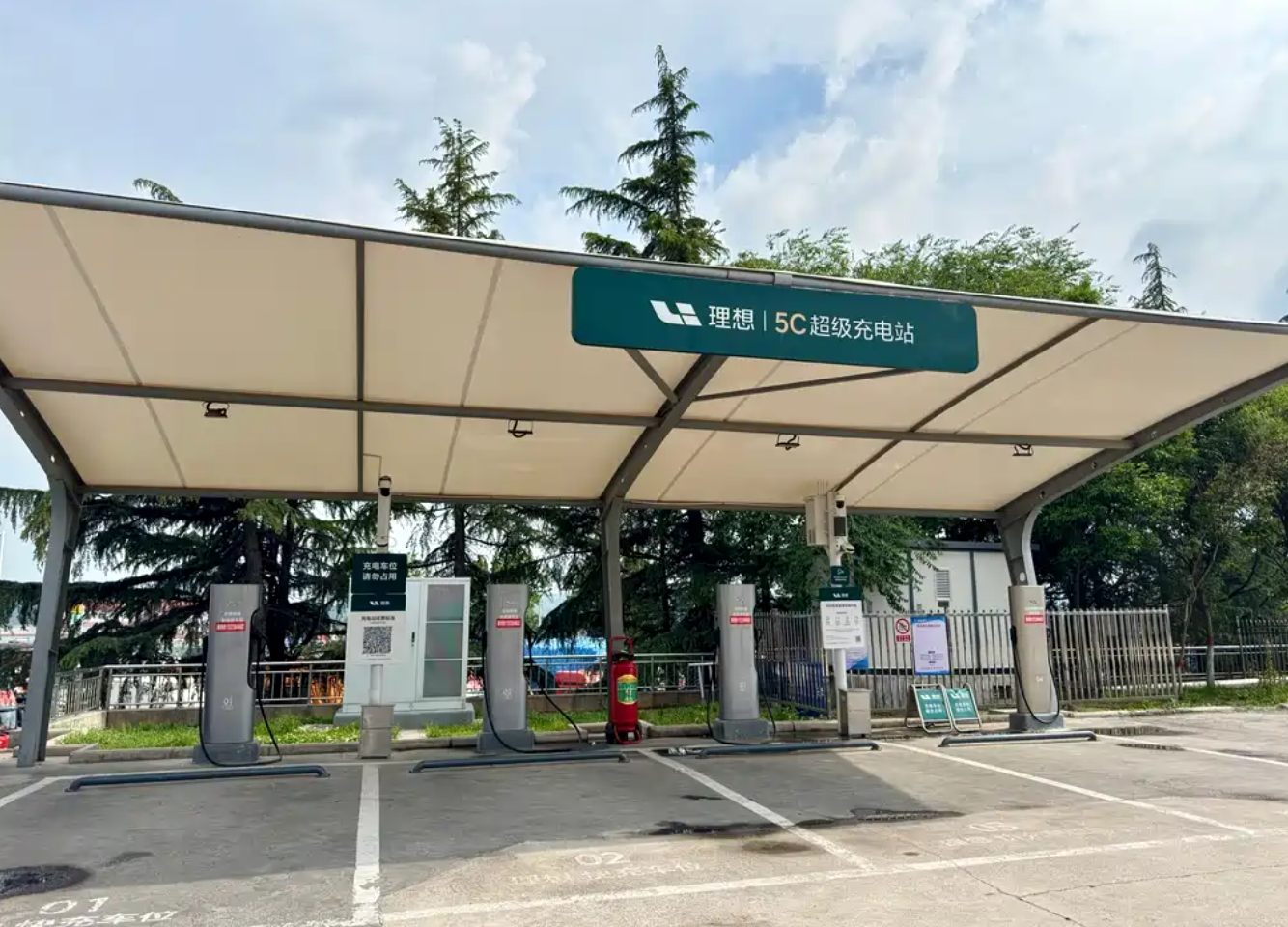
Public Charging Facilities
The public charging network continues to expand rapidly:
- Total Public Charging Facilities: 4.907 million units
- Year-over-Year Growth: 29.6% increase
- Average Power Output: 48.38 kilowatts per stall
The growth in public charging infrastructure addresses a critical need for EV owners who lack home charging capabilities, particularly in urban apartment complexes where private parking is limited.
Total Installed Capacity
The aggregate power capacity of public charging facilities has reached impressive levels:
- Total Rated Power: 237 million kilowatts (2.37GW)
- Average Power per Stall: approximately 48.38 kilowatts
This substantial capacity enables faster charging times and supports the growing number of high-power EVs capable of accepting 100kW+ charging rates.
Private Charging Infrastructure Boom
Private Home Charging
Private charging infrastructure has experienced even more dramatic growth:
- Total Private Charging Facilities: 17.048 million units
- Year-over-Year Growth: 53.5% increase
- Registered Power Capacity: 149 million kilovolt-amperes
The surge in private charging installations reflects several factors:
- New Energy Vehicle Ownership: Rising EV adoption in suburban and rural areas with single-family homes
- Government Incentives: Subsidies and streamlined installation processes for home chargers
- Cost Savings: Home charging significantly reduces operating costs compared to public stations
- Property Development: New residential complexes increasingly include charging-ready parking spaces
Infrastructure Development Trends
Geographic Distribution
Charging infrastructure density varies significantly across regions:
- Eastern Coastal Provinces: Highest concentration due to early EV adoption
- Central China: Rapid expansion to support growing urban EV fleets
- Western Regions: Strategic development along major transportation corridors
Technology Evolution
The infrastructure mix is evolving:
- High-Power DC Fast Chargers: Increasing share of public networks
- Smart Charging: Integration with grid management and renewable energy
- Battery Swap Stations: Alternative model gaining traction in specific applications
- V2G Technology: Pilot projects exploring vehicle-to-grid capabilities
Policy Support and Investment
Government Initiatives
China’s government continues to prioritize charging infrastructure:
- “New Infrastructure” Status: Charging networks receive priority treatment
- Land Use Policies: Simplified permitting for charging station sites
- Grid Investment: Upgrades to distribution networks supporting charging loads
- Subsidy Programs: Continued financial support for underserved areas
Market Investment
Private capital continues flowing into the sector:
- State Grid: Major expansion of national charging network
- Private Operators: Competition driving service quality improvements
- Automaker Networks: Branded charging networks from BYD, NIO, Xpeng, and others
- Technology Companies: Huawei, Tencent, and Alibaba entering charging services
Future Outlook
Short-Term Projections
Industry analysts project continued strong growth:
- 2026 Year-End Target: Approximately 30 million total facilities
- Public Network Goal: 6 million public charging points
- Highway Corridor Coverage: Complete coverage along national expressways
Long-Term Vision
China’s infrastructure roadmap extends further:
- 2027-2030: Focus on high-power charging and destination charging
- Subsidy Transition: Shift from installation subsidies to operation support
- Grid Integration: Advanced demand response and storage integration
- Standardization: Unified charging protocols for interoperability
Frequently Asked Questions
How many EV charging facilities are in China as of April 2026?
As of April 2026, China has a total of 21.955 million EV charging facilities, representing a 47.4% year-over-year increase. This includes 4.907 million public charging facilities and 17.048 million private home charging units.
What is the average power of public charging stations in China?
Public charging stations in China have an average rated power output of approximately 48.38 kilowatts per stall. The total installed public charging capacity reaches 237 million kilowatts across the nation.
How fast is private EV charging growing in China?
Private EV charging infrastructure is growing at 53.5% year-over-year, outpacing public charging growth. The total registered power capacity for private charging reaches 149 million kilovolt-amperes, supporting home charging for millions of EV owners.
What is driving China’s charging infrastructure growth?
China’s charging infrastructure growth is driven by government policy support, increasing EV adoption rates, private investment, and technological advancement. The country has integrated charging infrastructure into its “new infrastructure” initiative, providing priority treatment and funding for network expansion.
About the Author