EU tariffs Chinese EVs
EU’s Final Tariff Determination: Maximum 35.3% on BYD
On May 13, 2026, the European Commission published its final determination in the anti-subsidy investigation launched against Chinese electric vehicle manufacturers. The ruling, following 14 months of investigation and three failed rounds of price-undertaking negotiations, imposes countervailing duties ranging from 9.7% to 35.3% on Chinese-made electric vehicles.
These tariffs take effect alongside the existing 10% EU base tariff on all passenger vehicles, creating effective rates reaching 45.3% for some manufacturers.
Detailed Tariff Rates by Manufacturer
Final Countervailing Duty Rates
表格
| Manufacturer | Countervailing Duty | Effective Total Rate |
|---|---|---|
| SAIC | 35.5% | 45.5% |
| BYD | 35.3% | 45.3% |
| Geely | 19.3% | 29.3% |
| Tesla (Shanghai) | 9.7% | 19.7% |
| Cooperating firms | 21.3% | 31.3% |
| Non-cooperating firms | 36.3% | 46.3% |
Why Tesla Received the Lowest Rate
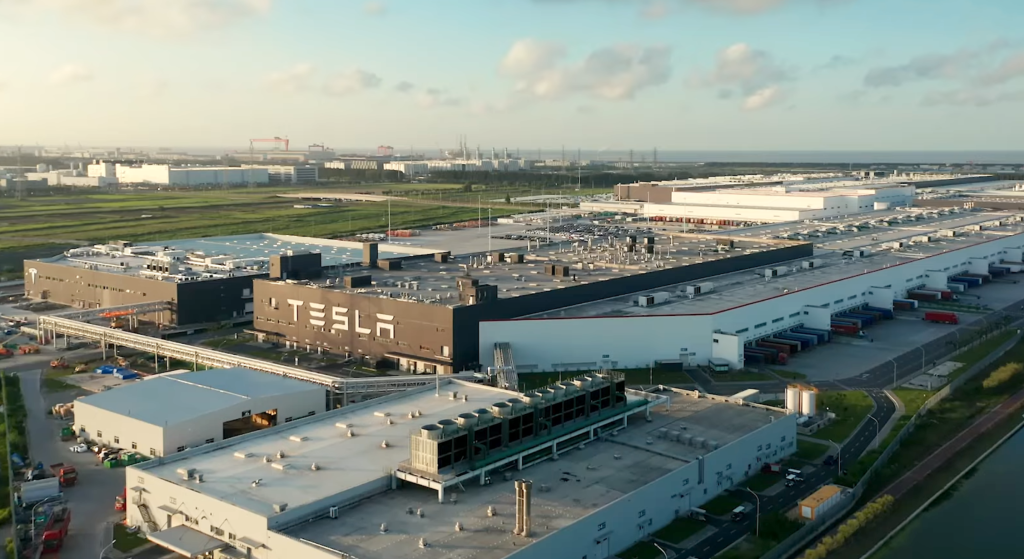
Tesla, which manufactures its Model 3 at its Shanghai Gigafactory, qualified for the “individual duty rate” consideration due to cooperation during the investigation process. This resulted in a 9.7% countervailing duty versus 35.3% for BYD.
Political Context: Narrow Margin Decision
The tariff implementation followed a contentious vote among EU member states in February 2026:
- Vote outcome: 15 in favor, 12 against
- The narrowest margin in any EU trade defence case in the bloc’s history
- Opposed: Germany, Sweden, Hungary (citing counter-retaliation exposure)
- In favor: France, Italy, Poland (protecting domestic manufacturers)
Commission Executive Vice-President Valdis Dombrovskis defended the measure: “This is not protectionism. This is about fair competition. China has been investing massively in its EV industry while we have been opening our markets.”
China’s Response: Immediate Retaliation
Within six hours of the Commission’s announcement, Beijing retaliated:
Official Statement
Ministry of Commerce spokesperson He Yongqiang declared: “The EU has chosen confrontation over dialogue. We will take all necessary measures to protect Chinese enterprises’ legitimate rights and interests.”
Retaliatory Measures
- Anti-subsidy investigation on European brandy (primarily targeting France’s cognac industry, €3.5 billion annually)
- Examination of restrictions on European pork and dairy products (targeting Spain, Netherlands, Denmark)
- WTO complaint filed against EU tariff measures
Legal Challenges: Tesla and BMW Sue
Major automakers have challenged the tariffs in court:
Tesla’s Position
Tesla, manufacturing the Model 3 in Shanghai, faced a 7.8% surcharge on top of the existing 10% tariff. The company argues the duties increase costs for European consumers and potentially hinder decarbonization efforts.
BMW’s Challenge
BMW has been particularly vocal, arguing that the tariffs “do not improve the competitiveness of European manufacturers” and seeking complete annulment of the regulation. The company is directly exposed to Chinese supply chains and retaliatory risks.
Chinese Manufacturers’ Actions
BYD, Geely, and SAIC joined the legal challenge, submitting appeals to the Court of Justice of the European Union.
Strategic Responses from Chinese Automakers
BYD’s “In Europe, For Europe” Pivot
Rather than accepting reduced competitiveness, BYD announced an accelerated European manufacturing strategy:
- Hungary factory production beginning 2025
- Five European-exclusive models designed for European preferences
- “Our goal is for customers to think of BYD as a European brand” – Stella Li
PHEV Strategy Shift
Facing pure EV tariffs, Chinese manufacturers dramatically shifted toward plug-in hybrids:
- 2025 EU PHEV exports from China: +155% year-on-year
- Pure EV exports to EU: +12% (comparatively modest)
This prompted EU consideration of extending tariffs to PHEVs, with “price commitment” mechanisms proving difficult to apply to hybrid vehicles.
Price Commitment Negotiations
The EU proposed a “minimum import price” mechanism where manufacturers could avoid tariffs by committing to minimum prices per model. China initially suggested €30,000 as the minimum, but negotiations broke down over disagreement about whether such pricing should compensate for perceived subsidies.
Market Impact: European EV Market Share
Despite tariffs, Chinese EVs have achieved significant European penetration:
表格
| Year | Chinese EV EU Market Share |
|---|---|
| 2020 | <2% |
| 2024 Q2 | 14% |
| 2026 | 28% (projected before full tariff impact) |
Long-Term Industry Implications
Short-Term Effects
- Higher prices for Chinese EVs in Europe
- Accelerated local production investments
- Temporary competitive advantage for European manufacturers
Long-Term Concerns
IEA analysis suggests tariffs may offer immediate relief but do not address underlying competitive challenges facing European automakers in EV technology and manufacturing efficiency.
FAQ
What is the current EU tariff rate on BYD vehicles?
BYD faces a combined tariff rate of 45.3% (35.3% countervailing duty plus 10% base tariff) following the May 2026 final determination.
Why did Tesla receive a lower tariff rate than BYD?
Tesla qualified for the lowest individual duty rate (9.7%) due to cooperation during the EU investigation, compared to BYD’s 35.3%. Tesla Shanghai produces the Model 3 exclusively for export.
How has China responded to EU tariffs?
China announced anti-subsidy investigations on European brandy (€3.5B trade), with additional examinations of pork and dairy product restrictions targeting Spain, Netherlands, and Denmark.
Are Chinese automakers challenging EU tariffs in court?
Yes, BYD, Geely, SAIC, Tesla, and BMW have all filed legal challenges to the Court of Justice of the European Union seeking annulment of the tariff regulation.
How have EU tariffs affected Chinese PHEV exports?
Facing pure EV tariffs, Chinese manufacturers shifted strategy, with 2025 EU PHEV exports increasing 155% year-on-year versus 12% growth for pure EVs.
About the Author