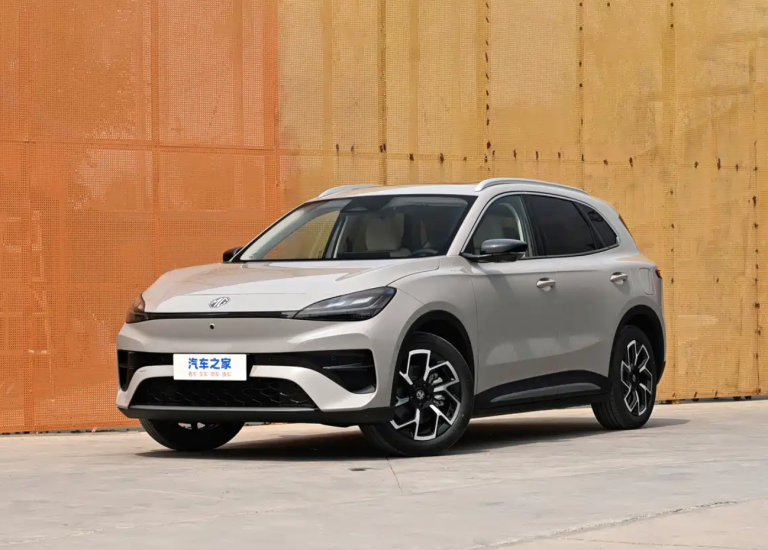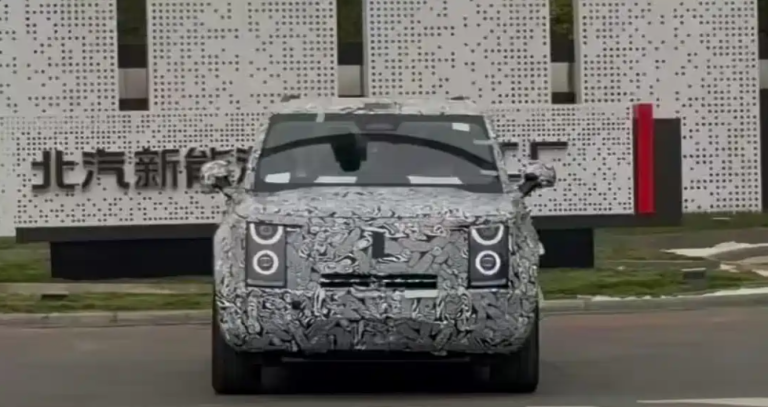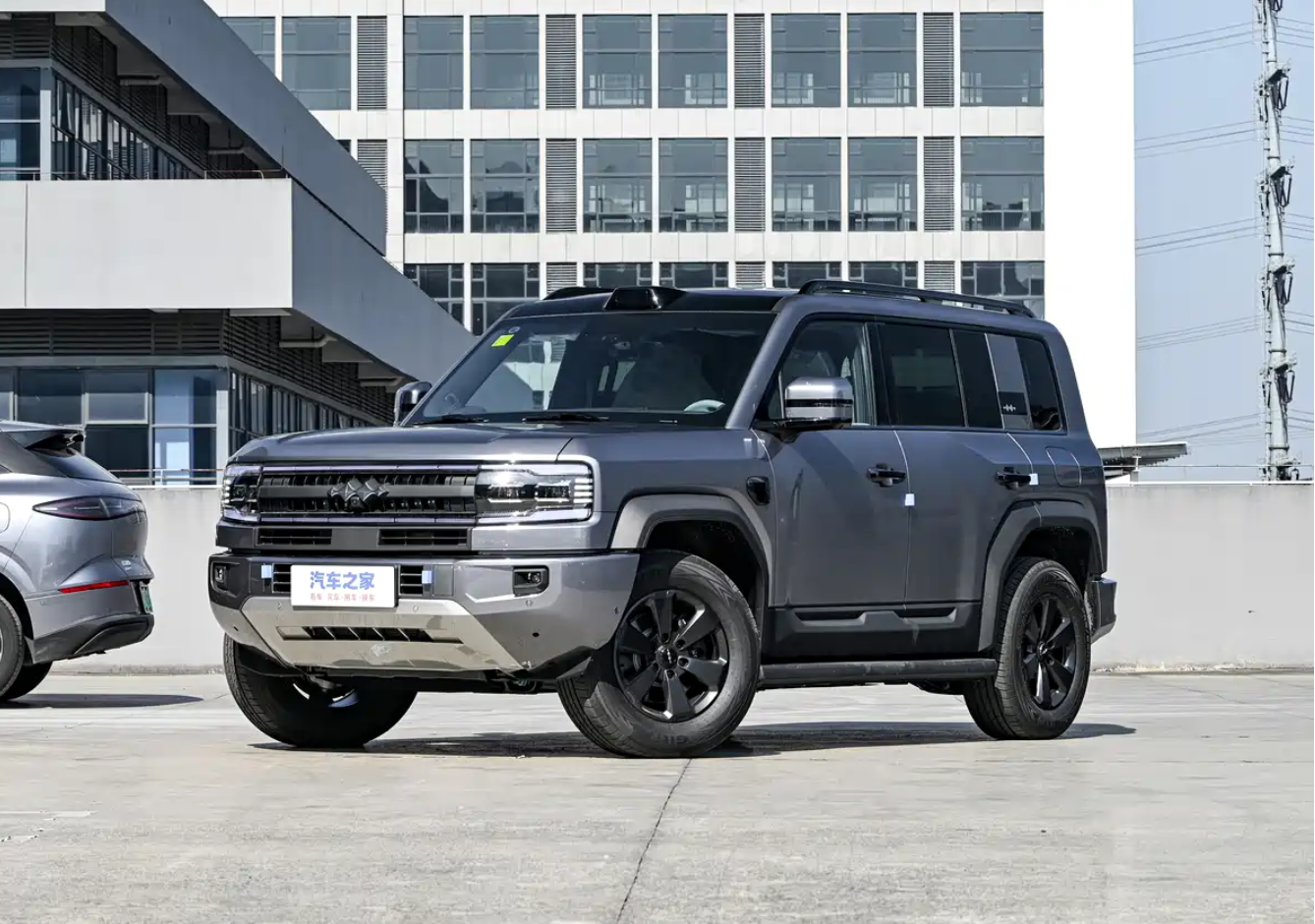
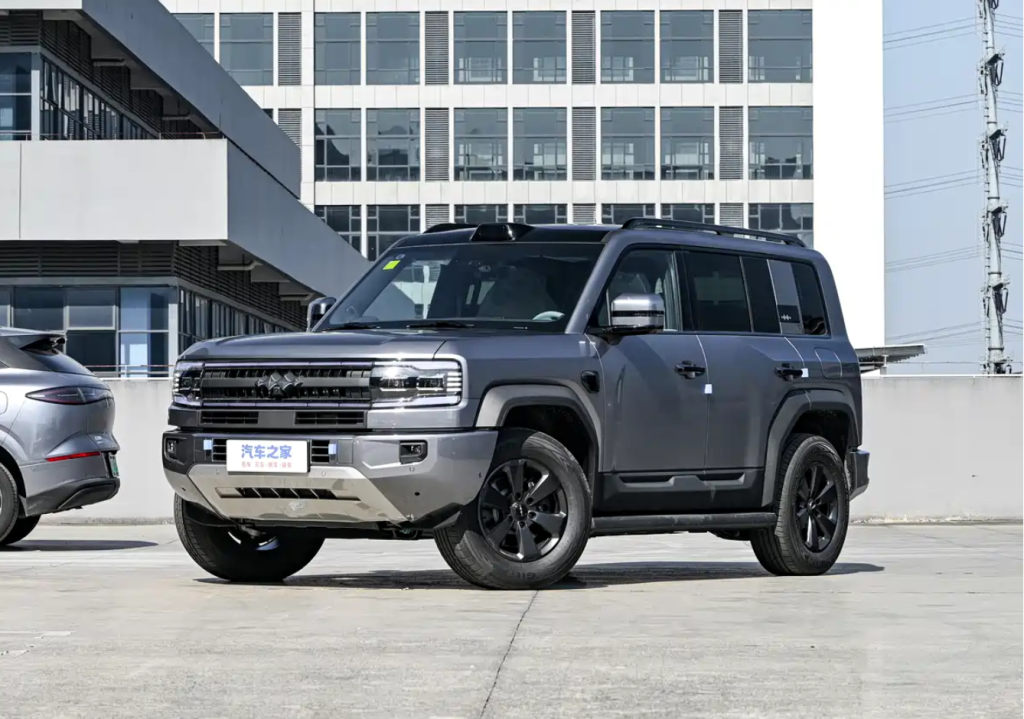
Fang Cheng Bao Bao 5
BYD’s professional personalized sub-brand, Fang Cheng Bao, is set to bolster its lineup with the official launch of the Bao 5 and Bao 8 Flash Charge Editions on May 13, 2026. These new variants are designed to address the “charging anxiety” of off-road enthusiasts by introducing significantly enhanced charging speeds and optimized powertrain efficiency.
Pricing and Market Context
As a reference for potential buyers:
- Bao 5 (Current): Priced between 239,800 – 329,800 RMB ($33,000 – $45,500 approx.), offering CLTC ranges of 125km and 210km.
- Bao 8 (Current): Priced between 379,800 – 423,800 RMB ($52,500 – $58,500 approx.), featuring a luxury-tier off-road experience.
Bao 5 Flash Charge Edition: Smart Hydraulics & Advanced ADAS
The Bao 5 has already proven its mettle with its DMO (Dual Mode Off-road) Super Hybrid Platform. The upcoming Flash Charge edition builds upon the success of the Long Range version (released last October), which featured:
- Battery: 47.8 kWh unit.
- Suspension: The sophisticated DiSus-P (Yun-Nian P) Intelligent Hydraulic Body Control System.
- Smart Driving: Users can choose between BYD’s self-developed “God’s Eye” level-2+ assisted driving system or the Huawei Qiankun ADS 4 high-level autonomous suite.
Bao 8 Flash Charge Edition: More Power, Faster Charging
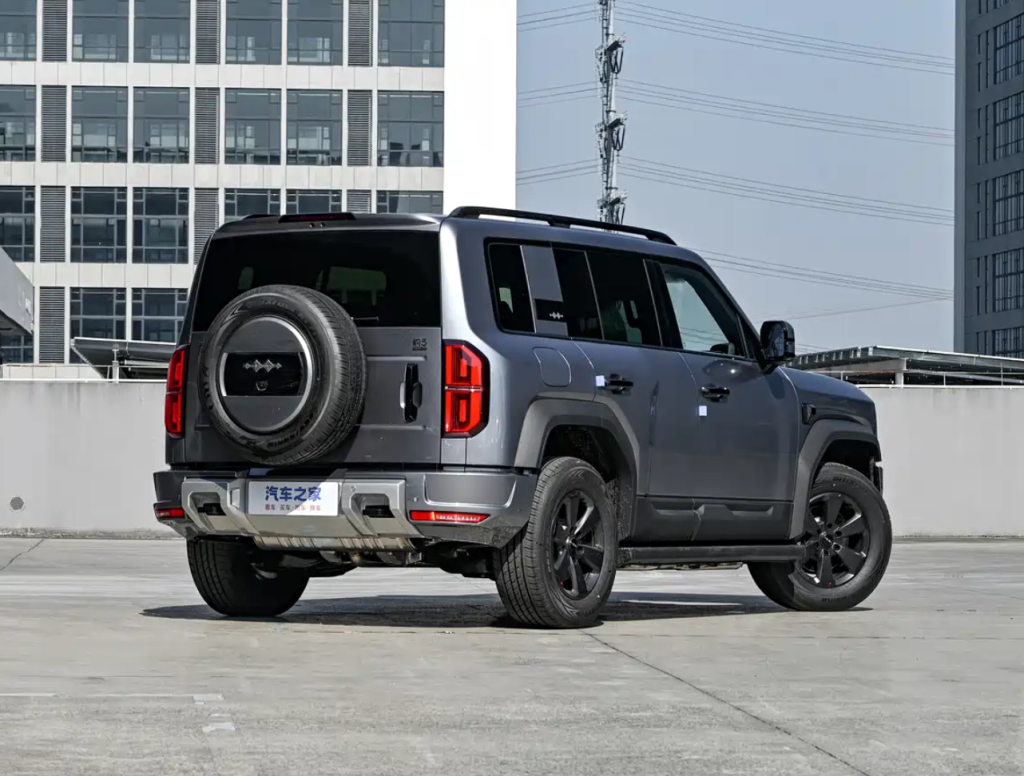
The Bao 8 Flash Charge Edition has already arrived at dealerships. While it retains its muscular, boxy silhouette, it features refined detailing to emphasize its rugged “hardcore” identity.
Key Specifications:
- Dimensions: 5195mm (L) x 1994mm (W) x 1905mm (H) with a 2920mm wheelbase.
- Hybrid Powertrain: A 2.0T Plug-in Hybrid (PHEV) system.
- Engine: 200 kW.
- Front Motor: 200 kW.
- Rear Motor: 300 kW.
- Battery & Range: Equipped with a 46.704 kWh LFP battery pack, delivering an improved WLTC pure electric range of 150 km.
Why the “Flash Charge” Matters
The core upgrade for these editions lies in the charging curve optimization. For off-roaders traveling to remote areas, the ability to rapidly top up battery levels at highway service stations or portable chargers is a game-changer, ensuring the electric motors always have enough juice to provide maximum torque during technical climbs.
About the Author