Tesla
Introduction:
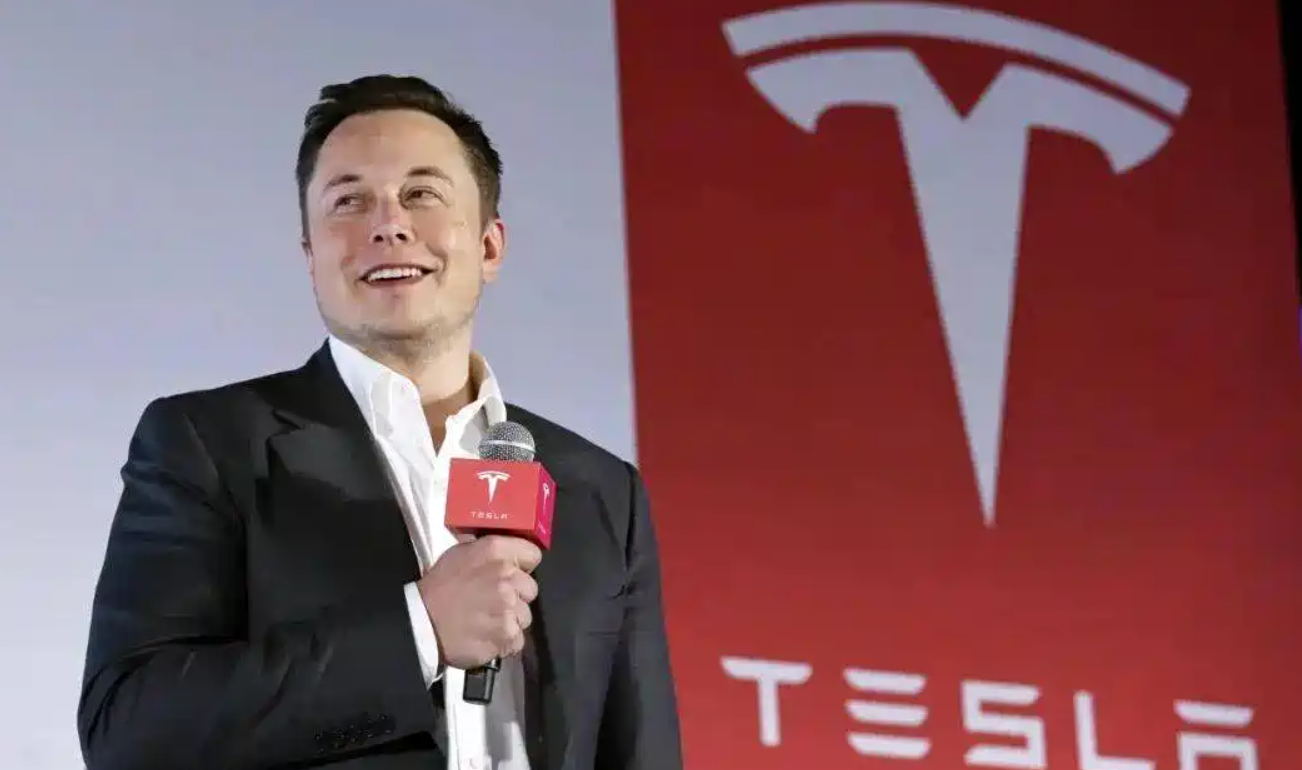
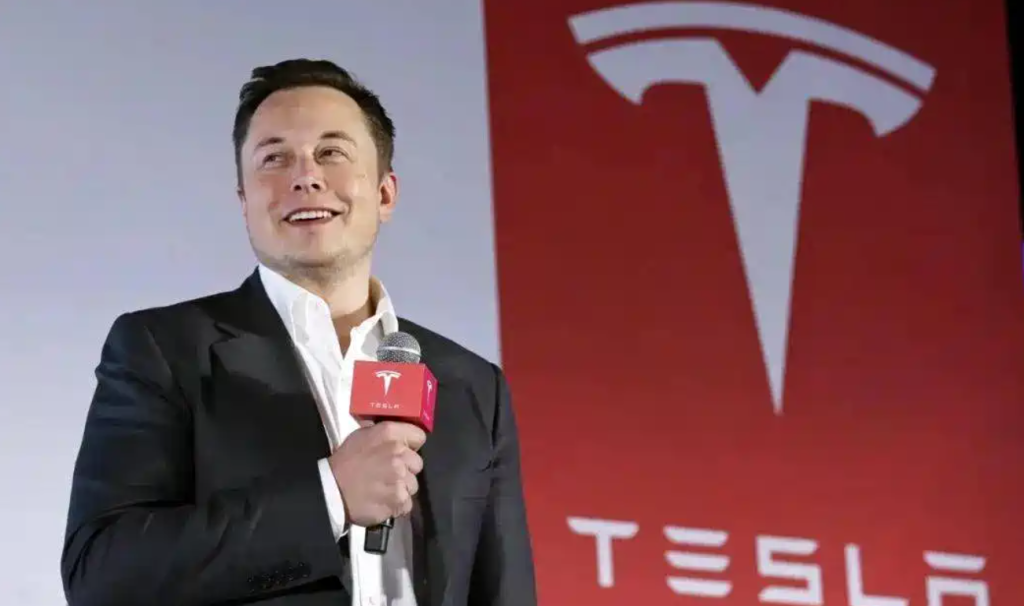
In a recent regulatory filing on April 30, Tesla disclosed the total compensation package for CEO Elon Musk for the fiscal year 2025. While the headline figure reaches a staggering $158.4 billion, the reality behind the numbers reveals a complex structure of performance-based incentives that resulted in Musk receiving zero actual pay for the year.
The Breakdown of the $158 Billion “Paper” Salary (H2)
According to the filing, the massive compensation figure is a theoretical valuation based on the assumption that all performance milestones are met. The amount consists of two primary components:
- Long-term Equity Incentives: Approximately $132 billion stems from the long-term stock option plan approved by shareholders last year.
- Mid-term Incentives: Over $26 billion was linked to a mid-term reward plan passed by the Tesla board in August 2024. Notably, Musk voluntarily waived this mid-term bonus in April 2025.
Why Was the Actual Pay Zero? (H2)
Despite the astronomical numbers reported for accounting purposes, Tesla confirmed that Musk’s actual take-home pay for 2025 was zero. This is due to Tesla’s strict “pay-for-performance” model.
As of the filing date, Tesla had not yet achieved the specific market capitalization and operational milestones required to trigger the vesting of these options. Tesla issued a formal risk warning in the document, stating:
“The total compensation disclosed for the CEO may differ significantly or even fundamentally from the actual realized value. These are theoretical accounting values and do not represent realized income.”
A Look Back: The 10-Year Growth Strategy (H2)
This compensation structure follows a trend set in November 2024, when Tesla shareholders approved a massive 10-year incentive plan. Under this roadmap, if Tesla reaches its ultimate growth targets, Musk could potentially earn Tesla stock valued at nearly $1 trillion.
However, this “all-or-nothing” approach means that if the company’s valuation or earnings targets are not met, the CEO receives no base salary or cash bonuses—a unique position among S&P 500 executives.
Industry Outlook (H2)
As the Electric Vehicle (EV) market faces increasing competition and shifting consumer demand, investors are closely watching how Tesla’s leadership incentives align with long-term shareholder value. While the $158 billion figure reflects the high ceiling of Tesla’s potential, the “zero pay” outcome for 2025 highlights the current challenges in hitting aggressive growth targets in the global NEV sector.
About the Author